Folding bikes under £500: weight vs wheel size
A buyer’s guide to folding bikes under £500, explaining how weight and wheel size affect portability, ride feel and durability for everyday UK commuting and storage.
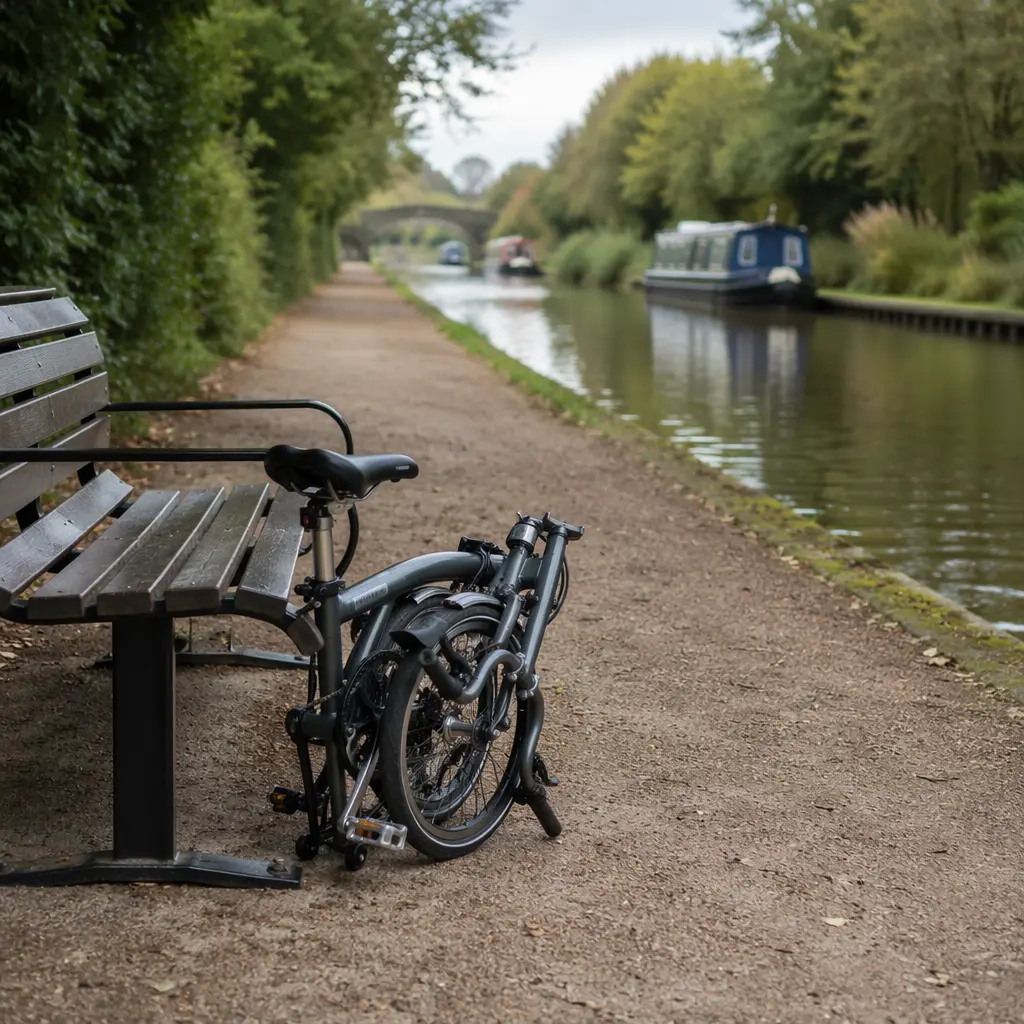
Folding bikes are popular with UK commuters who need a bike that fits into small flats, offices or train aisles. Under £500, the big decision is how to balance weight against wheel size. Lighter bikes are easier to carry, but wheel size affects comfort, stability and durability. This guide explains what really matters at the £300–£500 level, so you can choose a folding bike that works for everyday use rather than just looking good on paper.
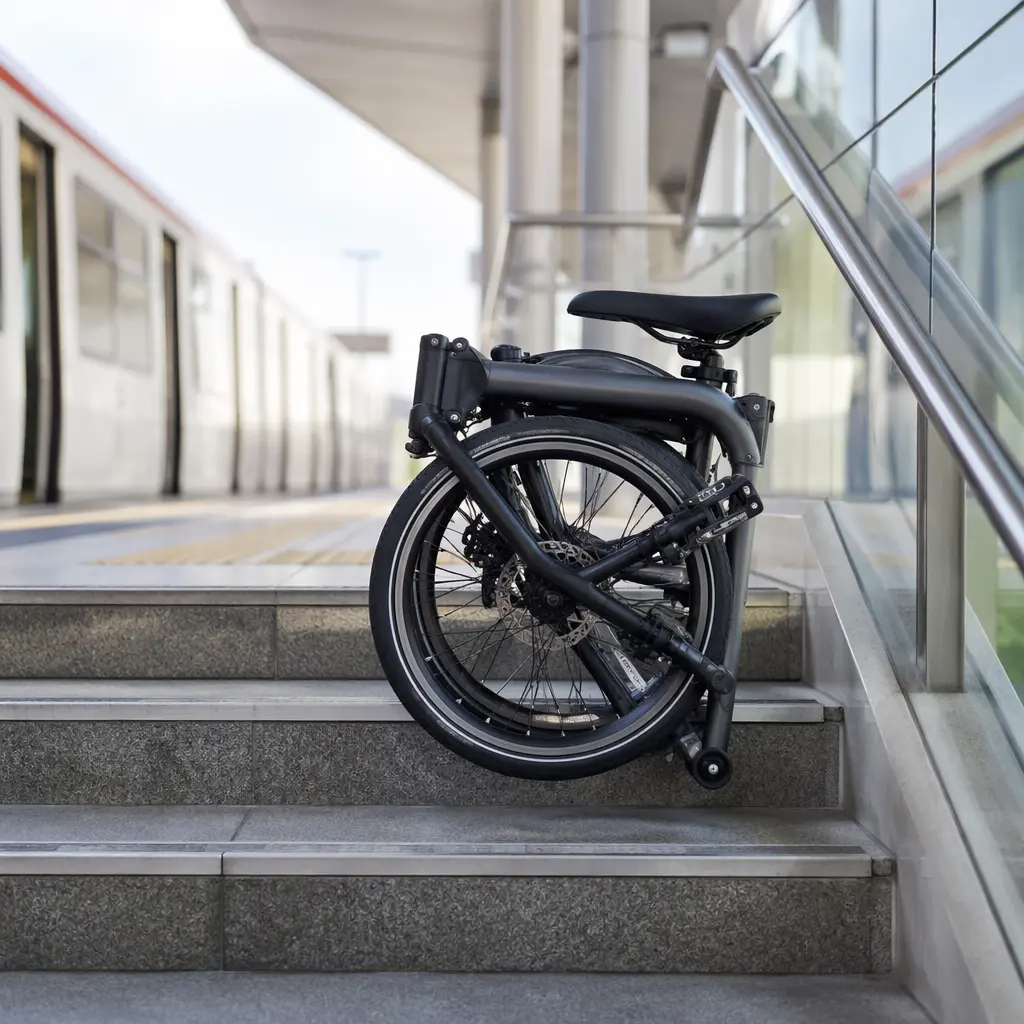
What to look for
At this budget, folding bikes involve compromises. Focusing on a few core features will help you avoid common frustrations and get a bike that suits daily riding and regular folding.
- Wheel size: Common options are 16-inch, 20-inch and, less often, 24-inch. Smaller wheels fold tighter but feel less stable on rough roads.
- Weight: Budget folding bikes usually weigh 11–14kg. Lighter is easier to carry, but very low weight can mean thinner tubing and flex.
- Frame material: Aluminium is most common for keeping weight down. Steel adds durability and comfort but increases carrying weight.
- Brakes: Rim brakes are typical under £500 and are easy to maintain. Mechanical disc brakes are rare but offer better wet-weather control.
- Gearing: Expect a single-speed or a basic 6–8 speed setup. Wider gear ranges help on hills but add complexity and weight.
- Geometry and fit: Folding bikes often have a more upright riding position. Check handlebar and seatpost height ranges carefully.
- Included accessories: Mudguards, racks and kickstands add value but also weight. Decide whether you need them from day one.
Budget and what you're getting
In the £300–£500 range, you’re paying for basic folding mechanisms, standard components and mass-produced frames. You won’t get ultra-light materials or refined hinges, and folds may take longer or feel less compact than premium models. However, most bikes at this price are perfectly capable for short-to-medium commutes, mixed with train or bus travel. Expect functional rather than flashy finishes, and components chosen for cost and reliability rather than performance.
Standout categories or types
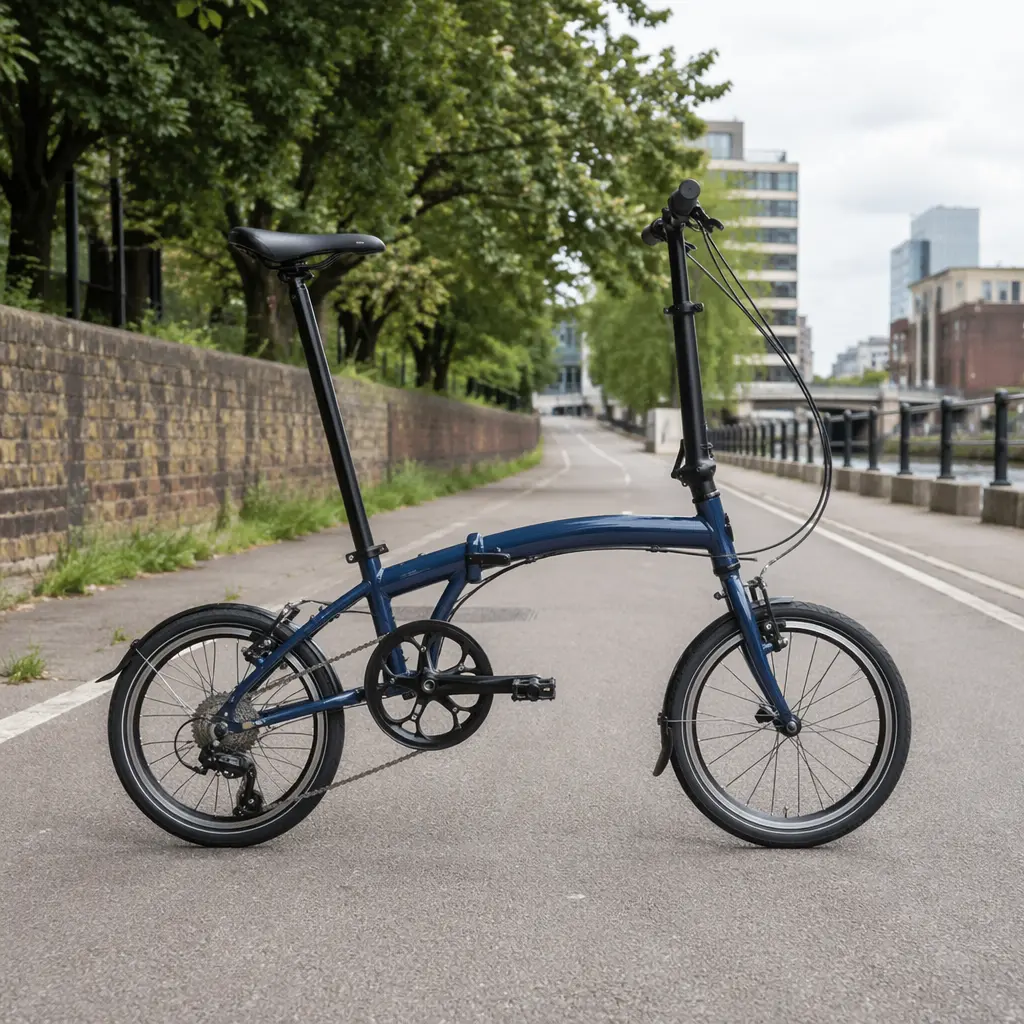
Folding bikes under £500 tend to fall into a few broad categories, mainly defined by wheel size and overall weight. Each suits a different style of everyday use.
- 16-inch wheel folders: Very compact when folded and easy to store. Best for short, flat commutes. Ride feel can be twitchy on poor road surfaces.
- 20-inch wheel folders: A common middle ground. Still compact enough for trains but noticeably more stable and comfortable on longer rides.
- Heavier-duty folders: Often with steel frames and larger wheels. Less pleasant to carry, but feel closer to a conventional bike on the road.
Frequently asked questions
Is a lighter folding bike always better?
Not necessarily. A lighter bike is easier to carry, but very light budget folders can feel flexy or harsh. If you ride more than you carry, a slightly heavier but sturdier bike may be more comfortable and durable.
Which wheel size is best for UK roads?
For mixed surfaces and typical UK road conditions, 20-inch wheels often offer the best balance. They roll over potholes and rough tarmac better than smaller wheels while still folding small enough for public transport.
Are folding bikes under £500 suitable for hills?
They can be, but check the gearing. Single-speed models are best for flat routes. Multi-speed options handle hills better, though the gear range may still be limited compared with full-size bikes.
Do folding bikes need more maintenance?
They’re similar to standard bikes, but hinges and clamps should be checked regularly. Keeping folding joints clean and correctly adjusted helps prevent play and wear.
Choosing a folding bike under £500 is about being honest with how you’ll use it. If portability is the priority, focus on weight and folded size. If ride quality matters more, slightly larger wheels and a sturdier frame can make everyday cycling more enjoyable. With realistic expectations, a budget folding bike can be a practical and flexible solution for UK life.
Find these on Amazon
As an Amazon Associate, CheapBikes earns from qualifying purchases.