Are £1,000–£2,000 Folding Bikes Worth It?
Folding bikes between £1,000 and £2,000 promise lower weight, smoother drivetrains and easier commuting. This guide explains what improves at the price point and where the gains matter most.
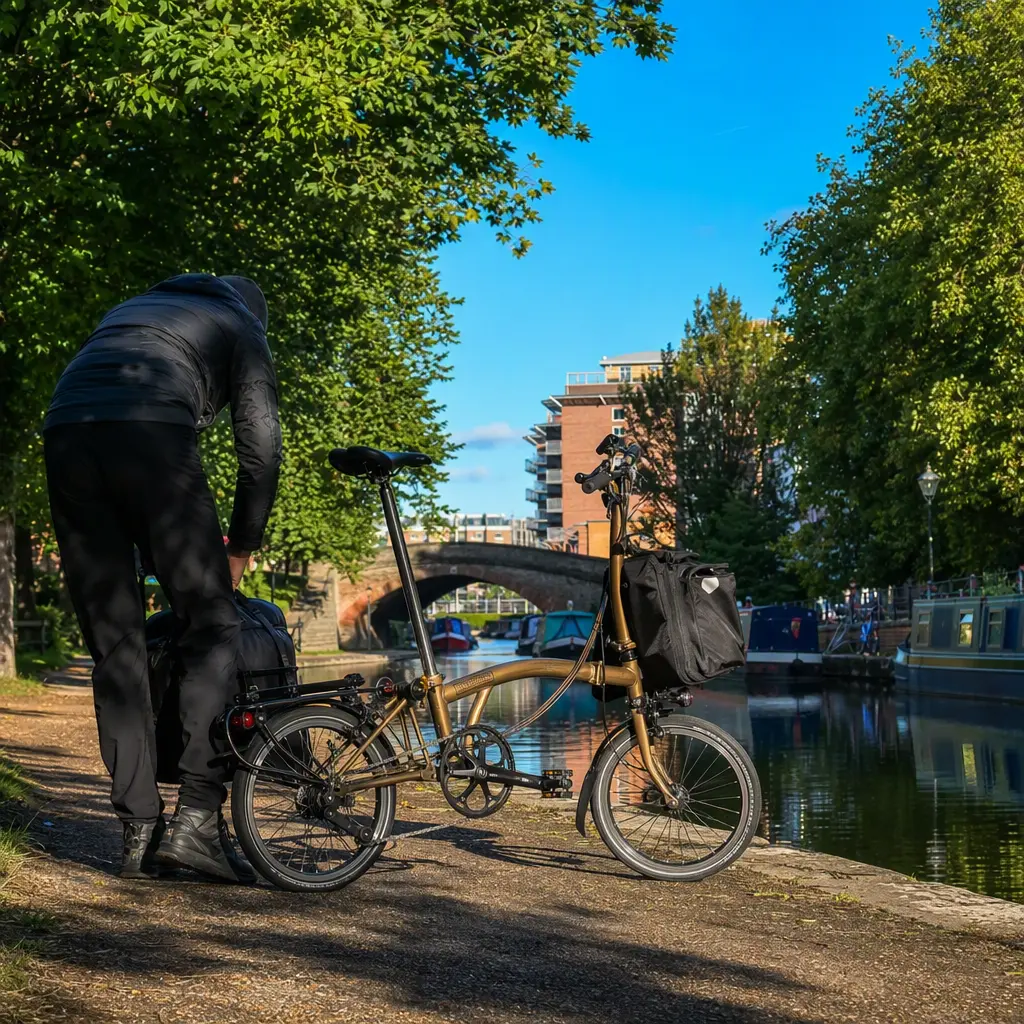
Folding bikes in the £1,000–£2,000 range sit in an awkward but interesting part of the market. Budget folders can cover short journeys for much less, while premium options promise lighter frames, smoother shifting and a more refined ride for daily commuting. The question for most buyers is whether those upgrades genuinely improve day-to-day use or simply reduce a few compromises that many riders can already live with. For commuters mixing trains, office storage and city riding, the answer often depends on how frequently the bike will be folded, carried and ridden over longer distances.
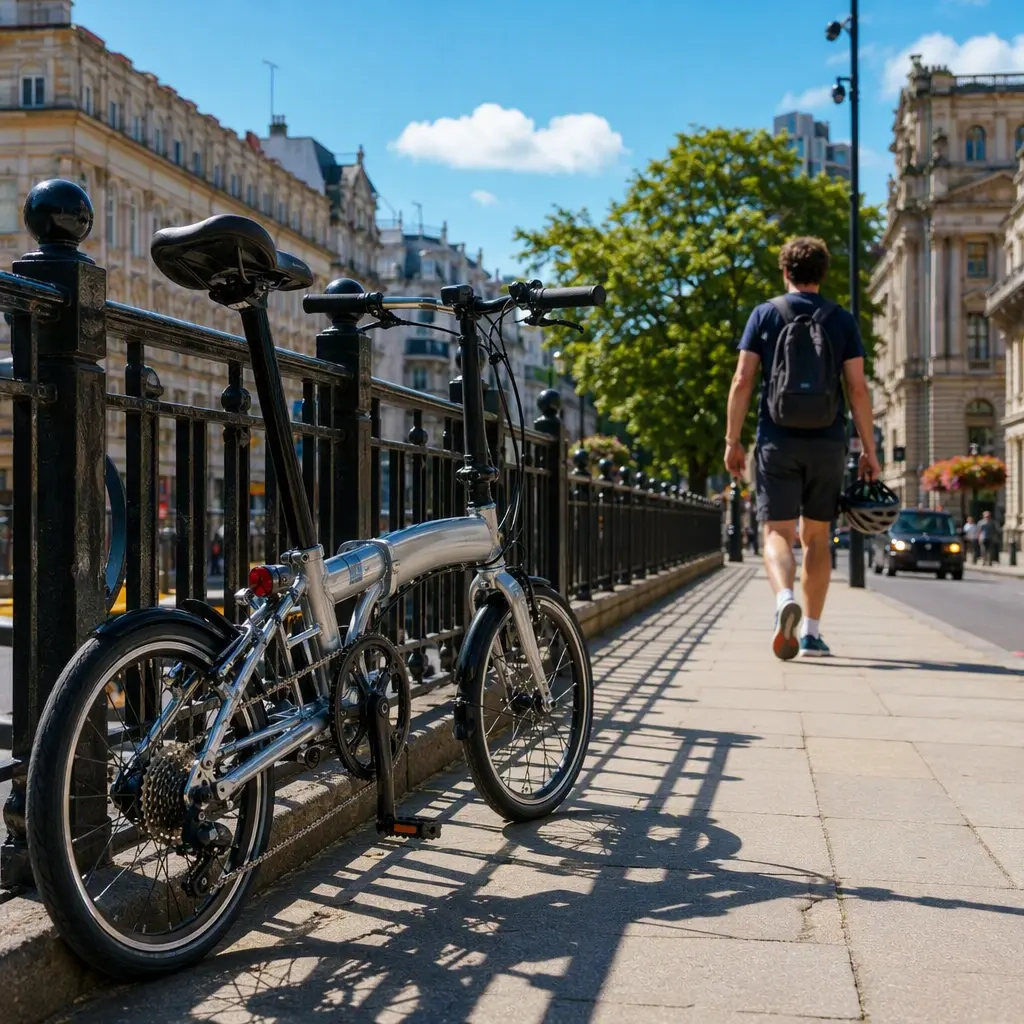
What to look for
At this price level, the improvements are usually about refinement rather than dramatic changes in capability. Better folding bikes tend to feel more stable at speed, easier to carry upstairs and less fiddly during the folding process. Components also become more durable for year-round commuting. Weight reduction is often one of the biggest selling points, but geometry, wheel size and drivetrain quality can make just as much difference to comfort and speed.
- Gearing should suit stop-start city riding but still offer enough range for hills and longer weekend rides.
- Frame material is commonly aluminium at this price, though some bikes use steel for comfort or carbon parts to reduce weight.
- Hydraulic or high-quality mechanical disc brakes improve wet-weather braking compared with basic rim systems.
- Stable geometry and a stiff frame help reduce the twitchy handling sometimes associated with small wheels.
- Fit still matters on folding bikes, especially handlebar height and seatpost extension for taller riders.
- Lower overall weight makes carrying onto trains or upstairs noticeably easier during daily commuting.
- Included accessories such as mudguards, luggage mounts and integrated lighting can add genuine value.
Budget and what you're getting
Between £1,000 and £2,000, buyers are paying for convenience, efficiency and durability rather than outright speed. Compared with cheaper folding bikes, the ride quality is usually firmer and more responsive, with tighter hinges and less flex when pedalling hard. Drivetrains tend to shift more smoothly under load, and puncture-resistant tyres are common. However, there are still compromises compared with a full-size hybrid or road bike. Smaller wheels can feel harsher on rough roads, and some lightweight folding designs sacrifice cargo capacity or comfort for portability. Spending more does not automatically mean every folding bike becomes ultra-light either, especially once mudguards and racks are fitted.
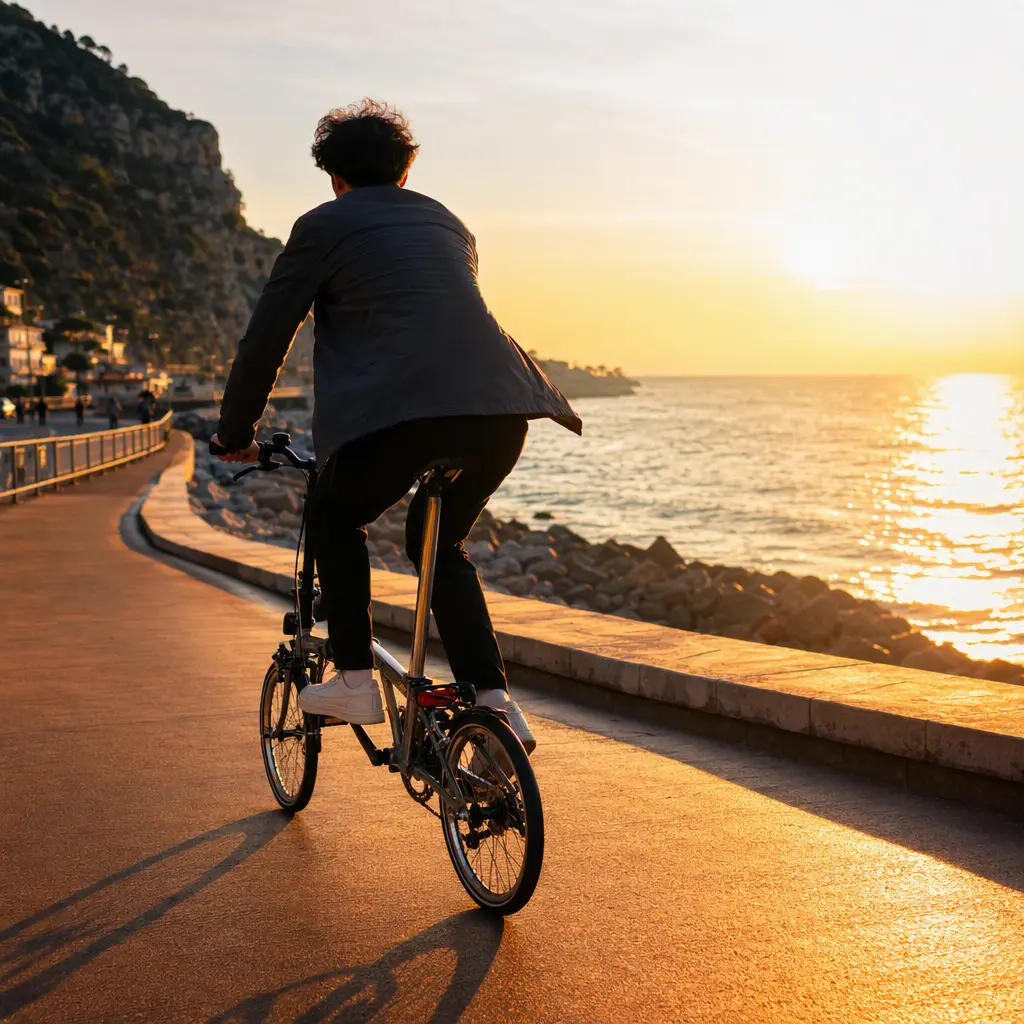
Standout categories or types
Lightweight commuter folders are one of the strongest categories in this price bracket. These bikes focus on low carrying weight, fast folding mechanisms and efficient road manners. They suit riders using trains or buses daily, especially where bikes need to be carried through stations or stored under desks. The lighter frame and higher-quality drivetrain often make longer commutes far more manageable than with entry-level folders.
There are also comfort-focused folding bikes designed around practicality rather than outright portability. These may use slightly larger wheels, wider tyres and more upright riding positions. While they can weigh a little more, they often feel calmer and more secure on poor road surfaces. Buyers choosing between rigid and suspension-equipped folders should be cautious: basic suspension can add weight without dramatically improving comfort, whereas wider tyres at moderate pressure usually offer a better balance for urban riding.
- Lightweight folders prioritise carrying ease and quick acceleration for train commuters.
- Comfort-oriented folders use wider tyres and relaxed geometry for rougher streets and longer rides.
- Rigid frames are generally lighter and simpler to maintain than folding bikes with suspension systems.
- Alloy frames reduce weight, while steel frames may provide a slightly smoother ride feel.
- Bikes with luggage mounts and rack compatibility are useful for commuting without wearing a backpack.
Frequently asked questions
Are folding bikes under £1,000 still worth considering?
Yes, especially for shorter urban journeys or occasional use. Lower-cost folders can work well for casual commuting, but they are usually heavier and may feel less refined over longer distances. Riders carrying the bike daily often notice the benefits of spending more.
Does a lighter folding bike make a big difference?
It depends on how often the bike is carried rather than ridden. Saving a few kilograms becomes noticeable on station stairs, office corridors or when lifting the bike into a car boot. For purely riding performance, tyres and geometry can matter just as much.
Are small wheels slower than standard bikes?
Small wheels accelerate quickly but can lose momentum more easily on rough surfaces. Modern folding bikes can still maintain respectable commuting speeds, especially with good tyres and gearing, though they rarely match the smoothness of larger-wheel hybrids over broken roads.
Can folding bikes handle wet UK weather?
Most mid-range folding bikes are designed for year-round commuting and can cope well with wet conditions when fitted with mudguards and puncture-resistant tyres. Disc brakes and corrosion-resistant components are useful additions for winter riding.
Do expensive folding bikes hold their value?
Higher-quality folding bikes often retain value better than very cheap models because demand remains strong among commuters. Condition, servicing and hinge wear all affect resale prices, so regular maintenance is important.
For regular commuters, £1,000–£2,000 folding bikes can justify their price through lower weight, smoother riding and easier day-to-day handling. The gains are most noticeable for riders who carry the bike frequently or spend long hours commuting each week. Occasional riders may find cheaper folders perfectly adequate, but those using a folding bike as a primary transport tool are more likely to appreciate the extra refinement and durability available at this level.
Find these on Amazon
As an Amazon Associate, CheapBikes earns from qualifying purchases.