Are lightweight folding bikes worth paying more?
A buyer’s guide to lightweight folding bikes in the £1,000–£2,000 range. Learn when shaving kilos makes a real difference, when it doesn’t, and how to decide if the extra spend is worth it.
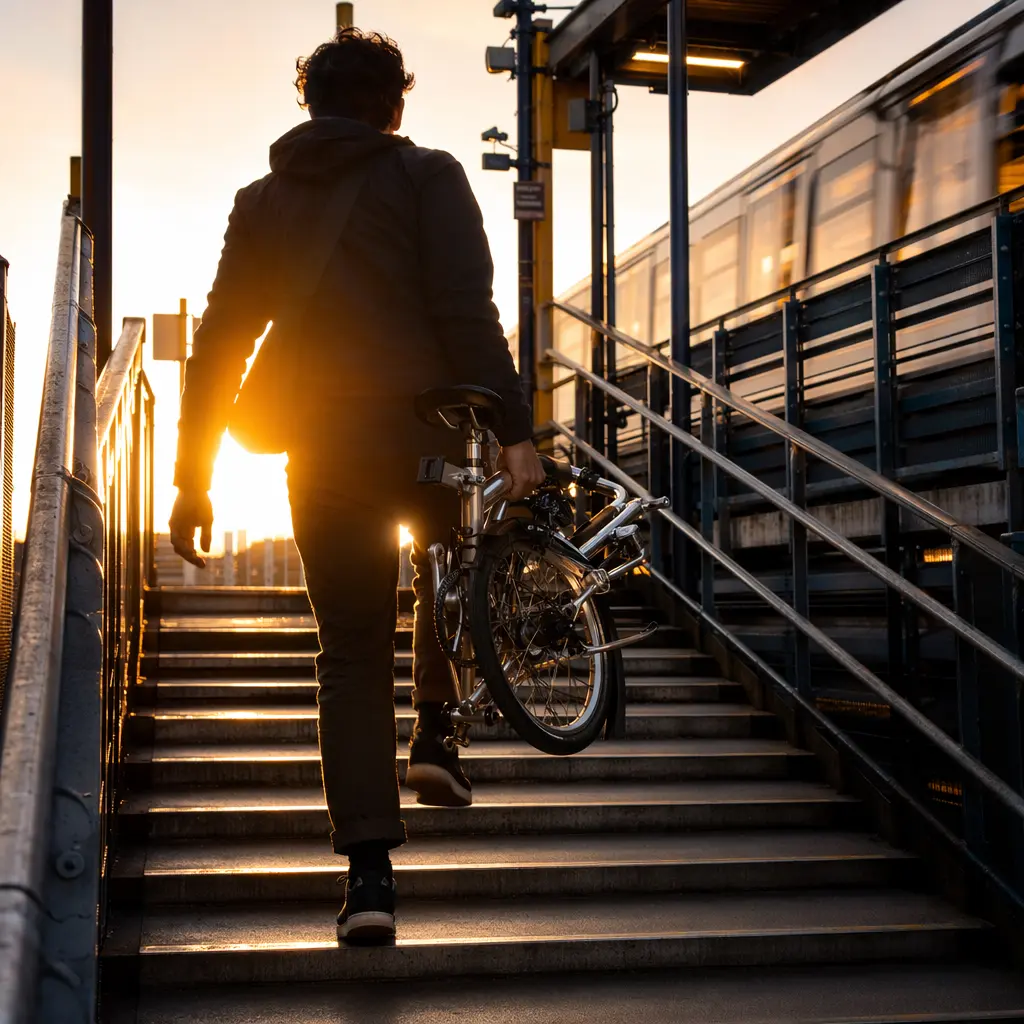
Lightweight folding bikes often sit at the higher end of the market, with prices from around £1,000 to £2,000. For commuters and mixed‑mode travellers, the promise is tempting: less weight to lug up stairs, quicker folds, and easier storage. But does shaving a few kilos really justify the extra spend, or can a cheaper, heavier folder do the same job?
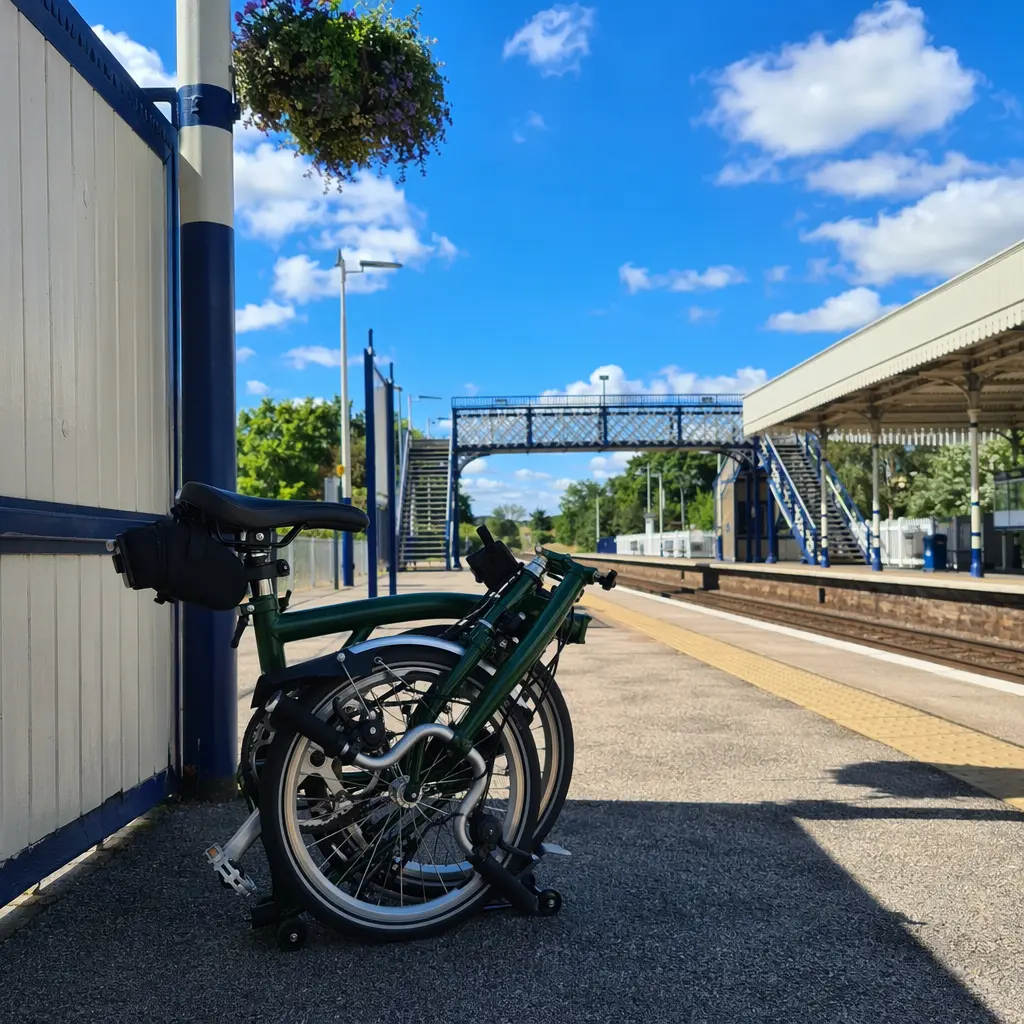
What to look for
Weight is only one part of the story with folding bikes. Paying more often brings a combination of design choices and materials that affect how the bike rides, carries, and lasts over time.
- Gearing: Lightweight folders often use wide‑range derailleur systems or compact internal hubs to balance low weight with usable ratios.
- Frame material: Aluminium is common for keeping weight down; some premium options use advanced alloys or titanium for further savings.
- Brake type: Caliper or cable disc brakes are lighter than hydraulic systems and easier to maintain for commuting.
- Geometry: A well‑designed folding frame should feel stable at speed, not twitchy, despite smaller wheels.
- Fit: Look for adjustable seatposts and stems to suit different rider heights without adding bulk.
- Weight: Sub‑11kg bikes are noticeably easier to carry; above 13kg the difference becomes less subtle.
- Included accessories: Mudguards, racks, and lights add convenience but also weight—some lightweight bikes leave these off.
Budget and what you're getting
In the £1,000–£2,000 bracket, you’re largely paying for refinement rather than basic function. Lighter tubing, tighter folding mechanisms, and higher‑quality components all add cost. The trade‑off is that ultra‑light designs may sacrifice comfort (stiffer frames, narrower tyres) or everyday extras like racks. Cheaper folders can still commute perfectly well, but they’re heavier to carry and often bulkier when folded.

Standout categories or types
Lightweight folding bikes generally fall into two broad camps. Minimalist commuters focus on the lowest possible weight and fastest fold, ideal for train travel and storage under desks. These often skip suspension and use slim tyres.
The other group aims for a balance between weight and ride comfort. They’re slightly heavier but include wider tyres, more relaxed geometry, and sometimes small luggage mounts. For longer rides or rougher roads, this middle ground can offer better value than the absolute lightest option.
Frequently asked questions
How much difference does a few kilos really make?
If you regularly carry your bike up stairs, onto trains, or through stations, a 2–3kg saving is very noticeable. If you mostly roll it folded or leave it locked at home, the benefit is smaller.
Are lightweight folding bikes less durable?
Not necessarily, but lighter frames can feel stiffer and transmit more road buzz. Durability depends more on build quality and maintenance than weight alone.
Do they ride worse than heavier folders?
Ride quality varies by design. Some lightweight folders handle impressively well, while others prioritise portability over comfort. Tyre choice and geometry matter as much as frame weight.
Is £1,000–£2,000 good value for a folding bike?
For frequent mixed‑mode commuters, yes—the convenience can outweigh the cost. For occasional use, a heavier, cheaper model may offer better overall value.
Lightweight folding bikes are worth paying more for when carrying ease and compactness are central to your routine. If your commute involves lots of stairs or busy trains, the premium makes sense. If not, saving cash and accepting a bit more weight can be the smarter choice.
Find these on Amazon
As an Amazon Associate, CheapBikes earns from qualifying purchases.