Best folding bikes under £300: who should buy one?
A clear, value-focused guide to folding bikes under £300. Learn who they suit, what to expect at this price, key features to check, and the compromises to accept before buying.
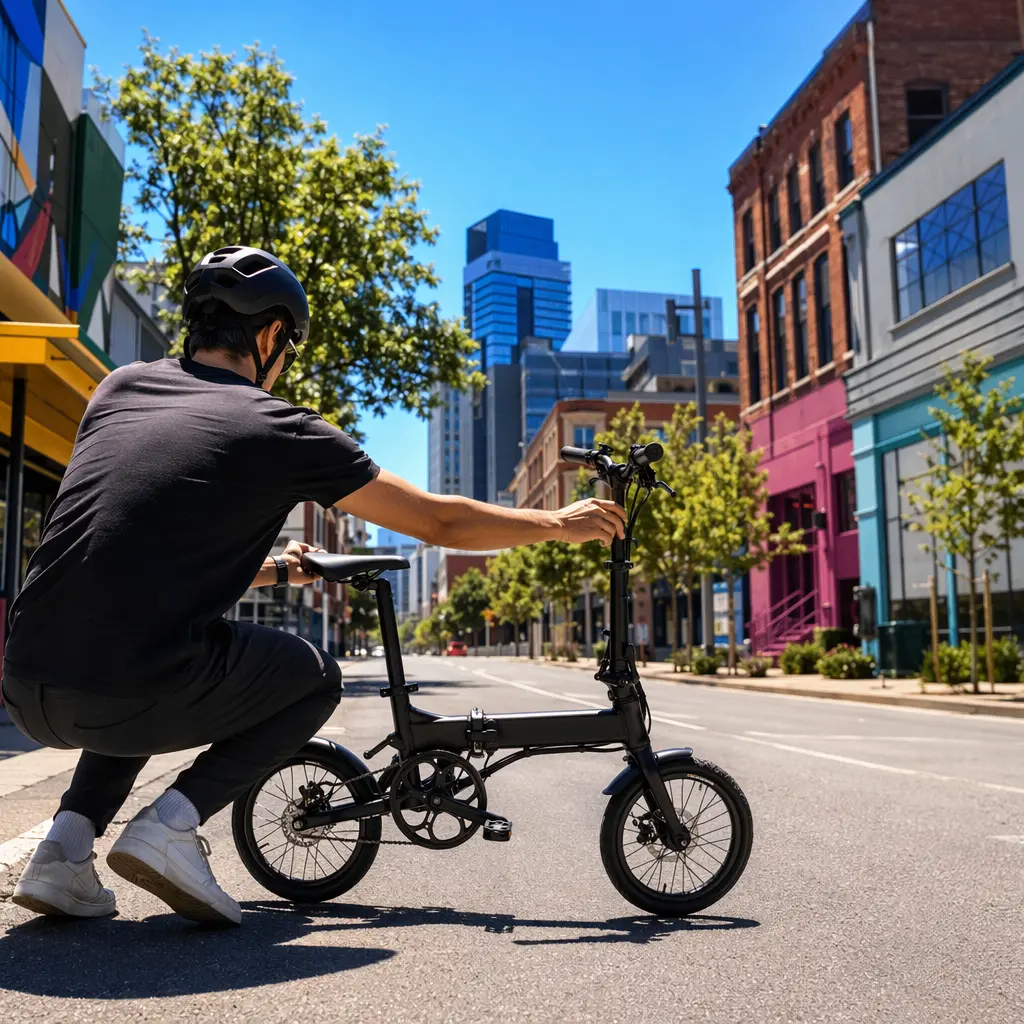
Folding bikes promise easy storage, simple train journeys and quick hops across town. At under £300, though, they’re very much a compromise product. This guide explains who a sub-£300 folding bike actually works for, what you’ll miss out on at this price, and what to check so you don’t end up disappointed.
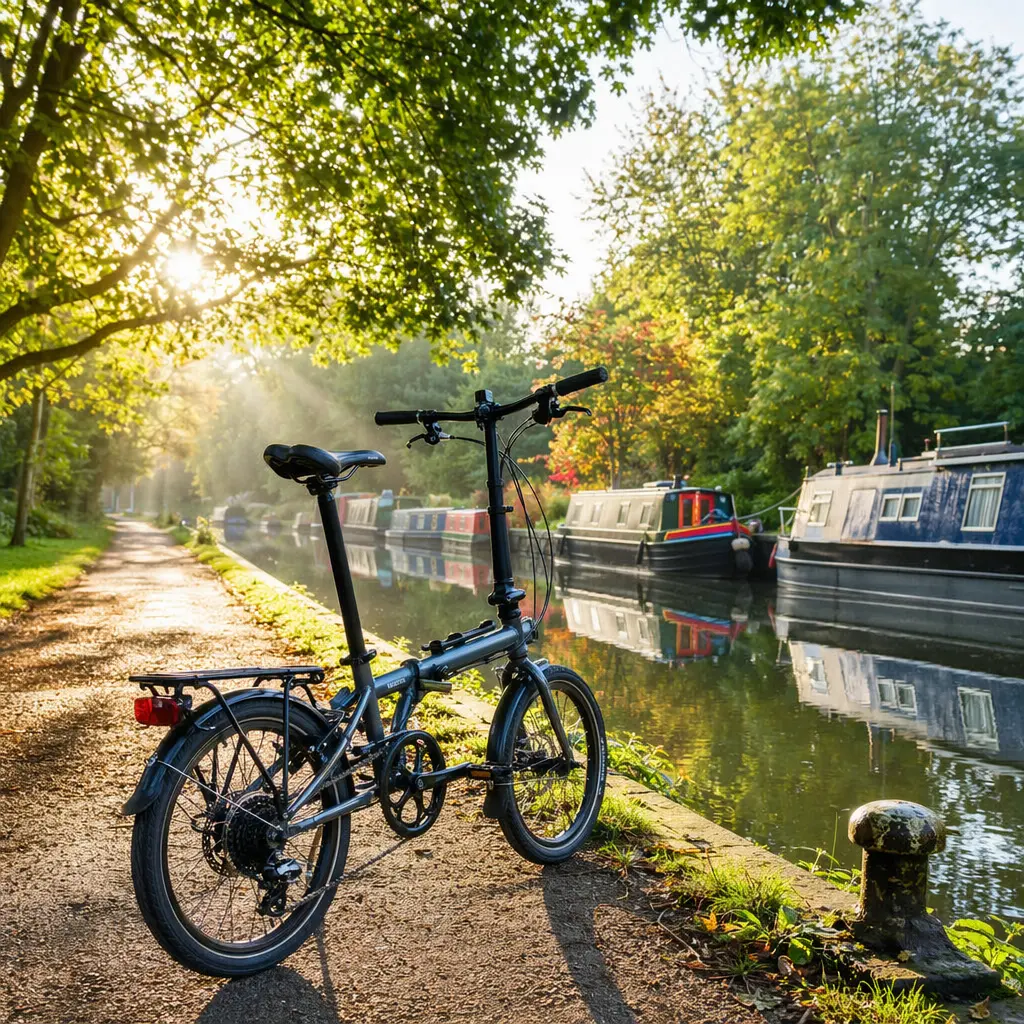
What to look for
At the very budget end, small details matter more than fancy features. Focus on basics that affect usability and longevity rather than headline specs.
- Gearing: Most bikes here use a simple 6- or 7-speed derailleur. Fine for flat routes, but expect hard work on hills.
- Frame material: Almost all will be steel. It’s heavier than aluminium but cheaper and often more forgiving over rough roads.
- Brakes: Rim brakes are standard. They’re adequate for urban speeds but need regular adjustment.
- Fold and latch quality: Check that hinges feel solid and close cleanly. A poor latch can cause flex or rattles.
- Geometry: Upright positions are common, which suit short journeys and visibility in traffic.
- Fit range: Folding bikes have limited adjustment. Make sure the saddle height range covers your height.
- Weight: Expect 13–15kg or more. Carrying up stairs is possible, but not pleasant.
- Included accessories: Mudguards and a basic rear rack are a bonus at this price, not a given.
Budget and what you're getting
Under £300 buys basic transport, not refinement. You’re paying for the folding function first, with cycling performance second. Components will be entry-level, tolerances looser, and finishes simpler. The upside is affordability and low theft anxiety; the downside is weight, limited gearing and more frequent maintenance. If you expect it to ride like a full-size hybrid, you’ll be disappointed. If you expect a compact tool for short trips, it can make sense.

Standout categories or types
Even within a tight budget, folding bikes fall into a few recognisable types. Knowing which one matches your use helps avoid frustration.
- 16–20 inch wheel folders: The most common option. Smaller wheels fold tighter but feel twitchier; 20 inch wheels are more stable but bulkier when folded.
- Single-speed or low-gear-count bikes: Cheaper and lighter, best for flat cities and very short rides.
- “Train-first” folders: Designed to be folded more often than ridden far. Comfort and speed take a back seat to compactness.
- Occasional-ride folders: Slightly heavier and less compact, but more forgiving if you ride a few miles at a time.
Frequently asked questions
Who should buy a folding bike under £300?
They suit riders with short, mostly flat journeys who value storage and portability over speed. Think commuting a mile or two, last‑mile trips from a station, or keeping a bike in a small flat.
Who should avoid them?
If you regularly ride more than 5 miles, face steep hills, or want a bike that feels lively and efficient, a budget folding bike will feel limiting. A non‑folding hybrid often rides better for the same money.
Are they allowed on trains and buses?
Most UK train operators allow folded bikes at all times, but size rules vary. Budget folders may fold larger than premium ones, so check dimensions and local policies before relying on it for daily rail travel.
How durable are very cheap folding bikes?
They’re built to a price. With regular checks on bolts, hinges and brakes, they can last for light use. Neglect or heavy riding will show wear more quickly than on higher-priced bikes.
Can you upgrade them later?
Some parts like saddles, tyres and grips are easy upgrades. Major improvements to gearing or wheels rarely make financial sense compared with saving for a better bike.
A folding bike under £300 isn’t about perfection; it’s about solving a specific problem cheaply. If your priority is compact storage and short, simple rides, it can be a practical choice. If riding enjoyment comes first, consider whether a standard bike might offer better value for the same spend.
Find these on Amazon
As an Amazon Associate, CheapBikes earns from qualifying purchases.