What Makes a Good Folding Bike Under £800 for UK Travel?
A practical guide to choosing a folding bike under £800 for UK commuting and travel, covering folded size, carrying weight, ride comfort, gearing and everyday usability.
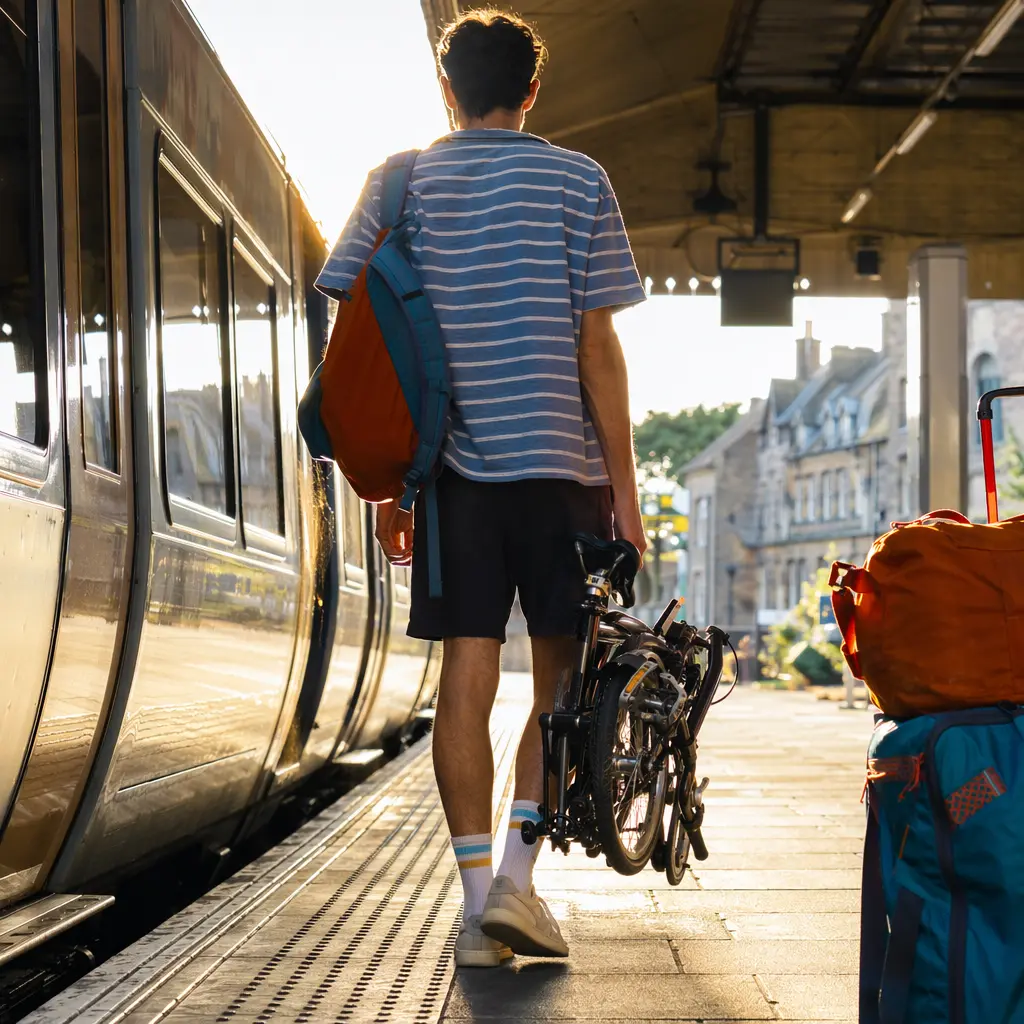
A folding bike under £800 can make daily travel far simpler if part of the journey involves trains, buses, small flats or office storage. At this price point, the challenge is balancing portability with ride quality. Some folding bikes are extremely compact but feel twitchy on rough roads, while others ride more like full-size hybrids but take up more space when folded. For UK commuters and mixed-transport journeys, the best option is usually the one that folds quickly, carries comfortably and still feels stable over potholes, cycle lanes and wet-weather roads.
What to look for
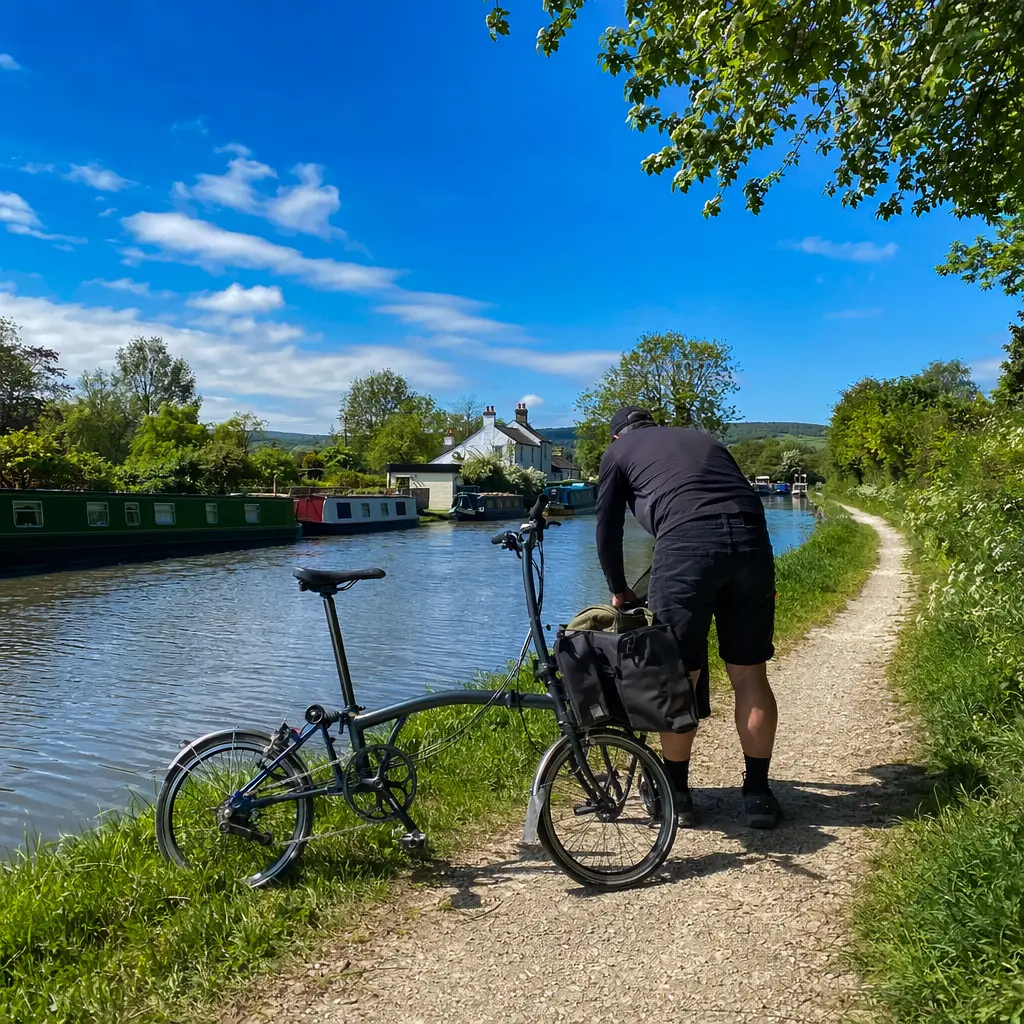
The most important features on a folding bike are not always the headline specs. Folded size matters if the bike will regularly go under a train seat or into a hallway cupboard, but ride feel becomes just as important for longer commutes. Smaller wheels speed up folding and storage, although they can feel harsher over rough tarmac. Larger wheels improve comfort and stability but increase folded dimensions. Weight is also worth checking carefully. A difference of 2kg may not sound huge until the bike is carried up station stairs every day.
- Wide-range gearing helps on hilly routes and prevents high-cadence spinning on faster roads.
- Aluminium frames are common under £800 and keep overall weight manageable.
- Mechanical disc brakes offer reliable wet-weather stopping, while rim brakes can reduce weight and cost.
- Longer wheelbases and stable geometry feel more confident on busy urban roads.
- Adjustable handlebars and seatposts help achieve a better fit across different rider heights.
- Bikes under roughly 13kg are noticeably easier to carry onto trains and buses.
- Mudguards, luggage mounts and integrated racks add practicality for year-round commuting.
Budget and what you're getting
Between £500 and £800, folding bikes generally become more refined and easier to live with day to day. Entry-level folding bikes often compromise on weight, hinge quality or drivetrain smoothness, but this mid-range budget tends to improve all three. Expect sturdier frame joints, more reliable folding mechanisms and better rolling efficiency. There are still trade-offs, though. Lightweight premium materials such as carbon fibre are unrealistic at this price, and very compact folding systems may still involve smaller wheels that can feel less planted on broken road surfaces. Suspension systems also tend to add weight, so many practical folding bikes instead rely on wider tyres and compliant frame design for comfort.
Standout categories or types
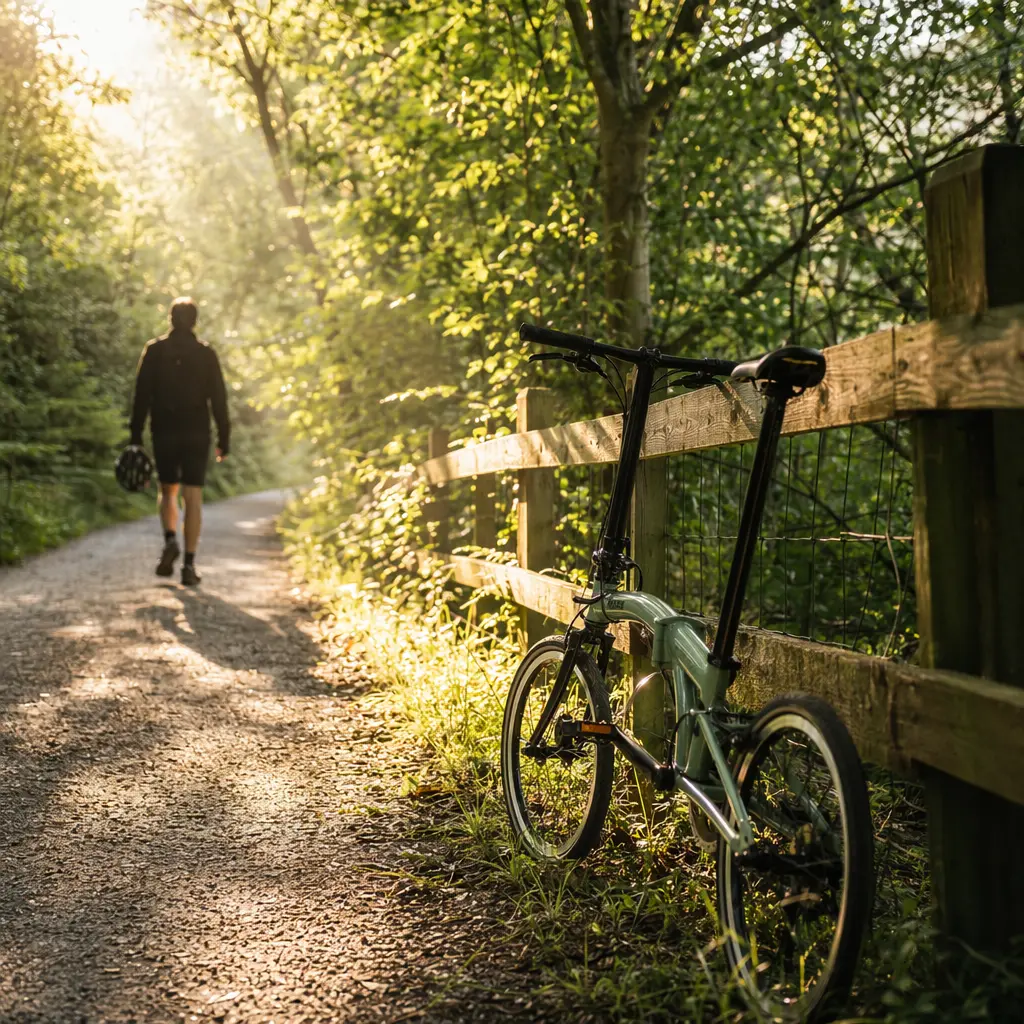
Compact urban folding bikes are designed mainly for short city journeys and easy storage. These often use very small wheels and tight folding dimensions, making them useful for busy rail commuters or riders in small flats. The downside is that they can feel less stable at speed and may struggle on rougher cycle paths or poor road surfaces.
Larger-wheel folding bikes usually suit riders covering longer distances. They take up slightly more room when folded but often feel closer to a standard hybrid bike on the road. This can make a noticeable difference on uneven tarmac, canal towpaths or longer weekend rides. Some models also prioritise practicality with rear racks, mudguards and stronger load capacity for panniers and shopping.
- Ultra-compact folders prioritise train and bus convenience over long-distance comfort.
- Mid-size wheel folders balance portability with steadier handling.
- Commuter-focused models often include mudguards and luggage mounts as standard.
- Lightweight designs are easier to carry upstairs but may cost more within the budget.
- Single-speed folders reduce maintenance but are less versatile on hills.
Frequently asked questions
How light should a folding bike be?
For regular carrying, many riders aim for around 11kg to 13kg. Heavier models can still ride well, but carrying them through stations or up stairs becomes tiring quickly. A slightly heavier bike with a better ride feel may still be worthwhile for longer commutes.
Are smaller wheels slower?
Not necessarily. Smaller wheels accelerate quickly and work well in stop-start traffic. However, they can feel less stable on rough roads and may carry less momentum over longer distances compared with larger-wheel folding bikes.
Can folding bikes handle daily commuting?
Yes, many are built specifically for daily urban travel. Models with mudguards, puncture-resistant tyres and luggage mounts are especially practical for year-round UK commuting in mixed weather conditions.
Do folding bikes fit on UK trains?
Most folding bikes are easier to take on trains than full-size bicycles because they can usually be treated as luggage once folded. Rules still vary by operator and peak-time restrictions may apply, so checking rail company guidance is sensible before regular travel.
Is a folding bike suitable for longer rides?
Many riders comfortably use folding bikes for rides beyond commuting distances, especially larger-wheel designs with stable geometry. Tyre choice, riding position and gearing often make a bigger difference to comfort than the folding frame itself.
A good folding bike under £800 should feel practical both on and off the road. Folded dimensions and carrying weight matter for public transport and storage, but ride quality should not be overlooked. A bike that feels stable, comfortable and easy to maintain is more likely to become part of everyday travel rather than something left folded in the corner.
Find these on Amazon
As an Amazon Associate, CheapBikes earns from qualifying purchases.