Is a £750 e‑bike enough for flat UK towns?
A clear-eyed guide to what a £750 e‑bike can (and can’t) do in flat UK towns, covering motors, range, reliability and everyday commuting needs.
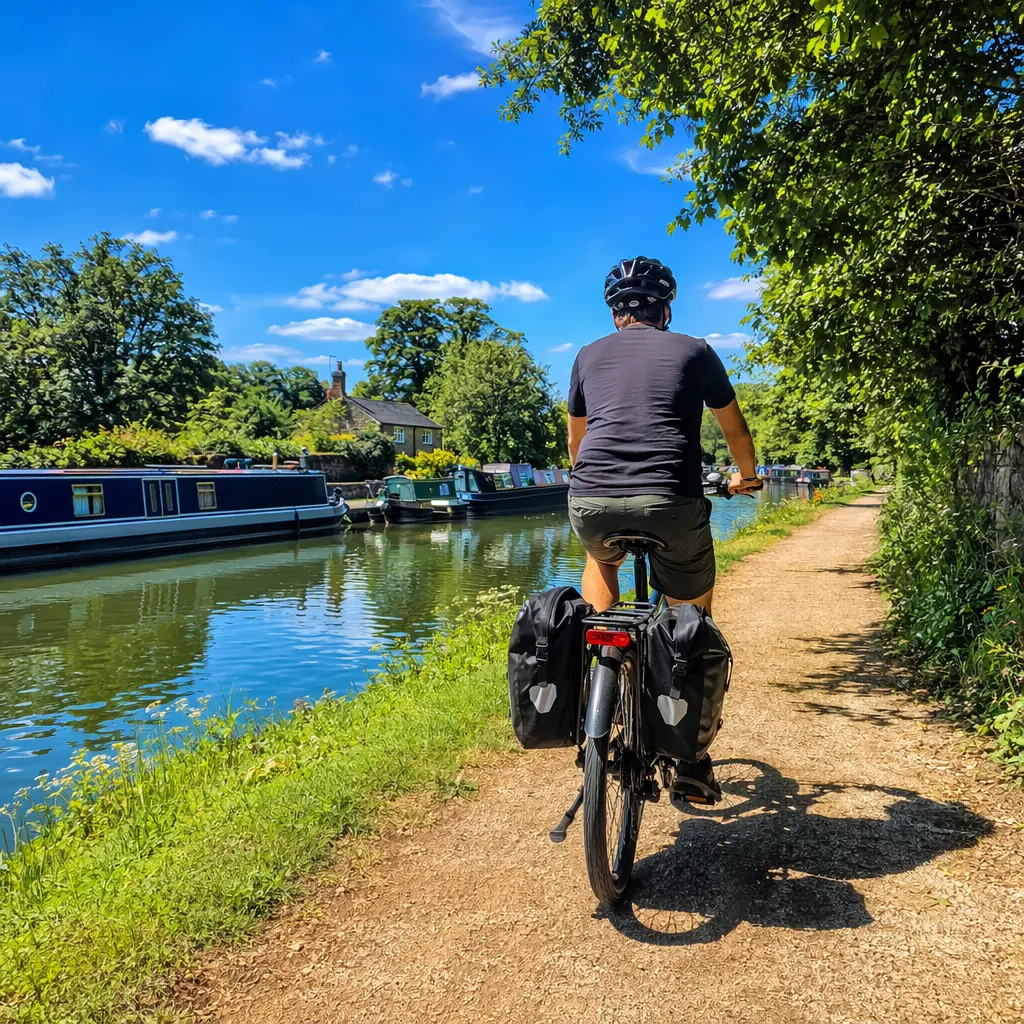
Electric bikes promise easier commutes and sweat‑free errands, but prices vary wildly. If you’re looking at a £750 e‑bike for a flat UK town, the big question is whether it’s genuinely good enough for daily use or a false economy. This guide sets realistic expectations for motors, range and reliability at the £500–£1,000 end of the market.
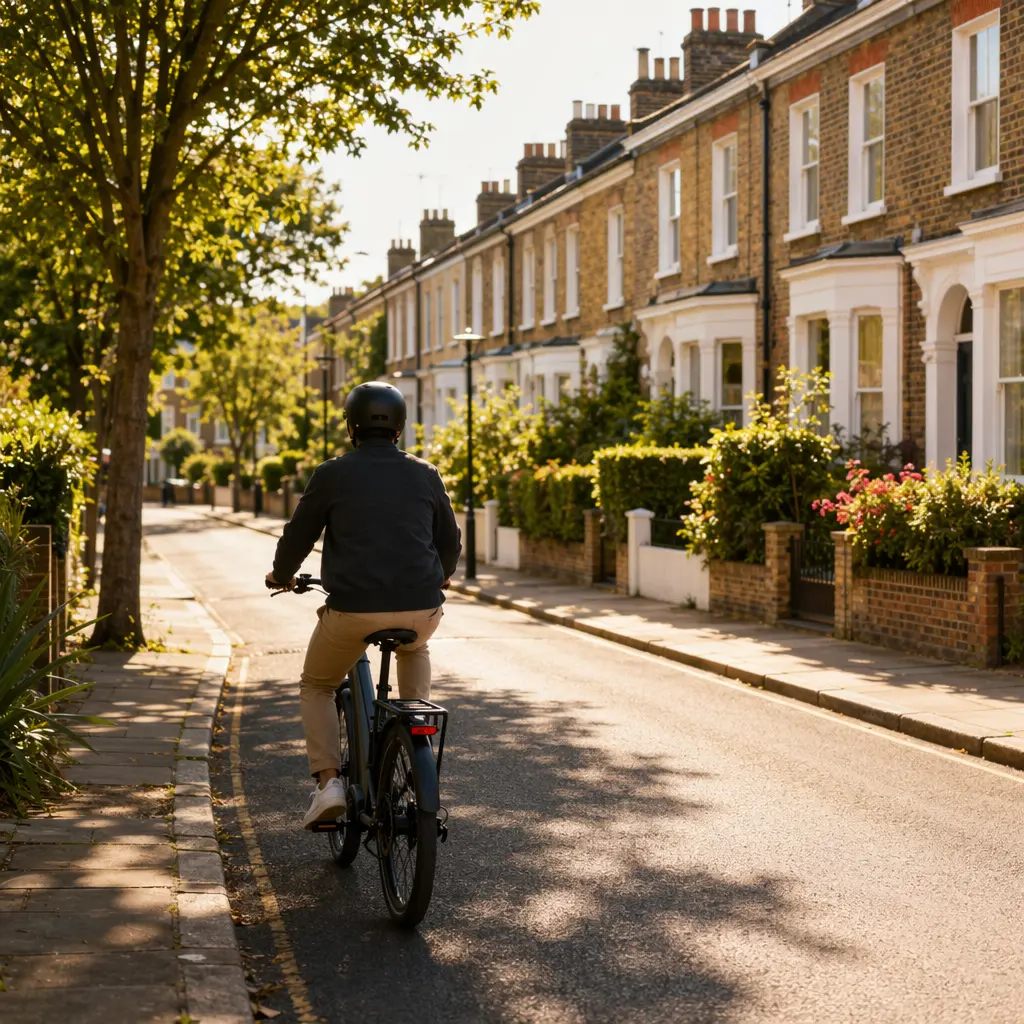
What to look for
At around £750, you’re firmly in the entry‑level e‑bike bracket. That’s not a bad thing for flat terrain, but it does mean focusing on the basics rather than headline‑grabbing specs.
- Motor type and power: Expect a legal UK/EU 250W rear‑hub motor. These are simple, affordable and well suited to flat routes, though they feel less refined than mid‑drive systems.
- Battery capacity: Many bikes in this range use a 300–400Wh battery. That’s usually enough for short daily trips but won’t suit very long rides without recharging.
- Gearing: Basic 6–7 speed drivetrains are common. Fine for town riding, but with larger jumps between gears than pricier setups.
- Frame material: Aluminium frames dominate at this price. They’re light enough and resist rust, but don’t expect premium finishing.
- Brakes: Mechanical disc brakes or V‑brakes are typical. They stop adequately in dry conditions but need more frequent adjustment than hydraulics.
- Geometry and fit: Look for an upright riding position with a step‑through option if mounting and dismounting easily matters.
- Weight: Budget e‑bikes are often 22–26kg. Manageable on the road, but awkward to carry upstairs.
- Included accessories: Mudguards, rear racks and lights are a big plus at this price, saving extra spend later.
Budget and what you’re getting
For £750, you’re buying basic electric assistance rather than a refined cycling experience. The motor will help you cruise at 12–15mph on the flat, but acceleration can feel sluggish and assistance may cut in and out more noticeably. Batteries tend to be smaller and slower to charge, and long‑term durability can vary depending on how well the bike is assembled and maintained. The upside is value: compared with public transport costs or running a car, even a modest e‑bike can pay its way quickly if it replaces regular journeys.
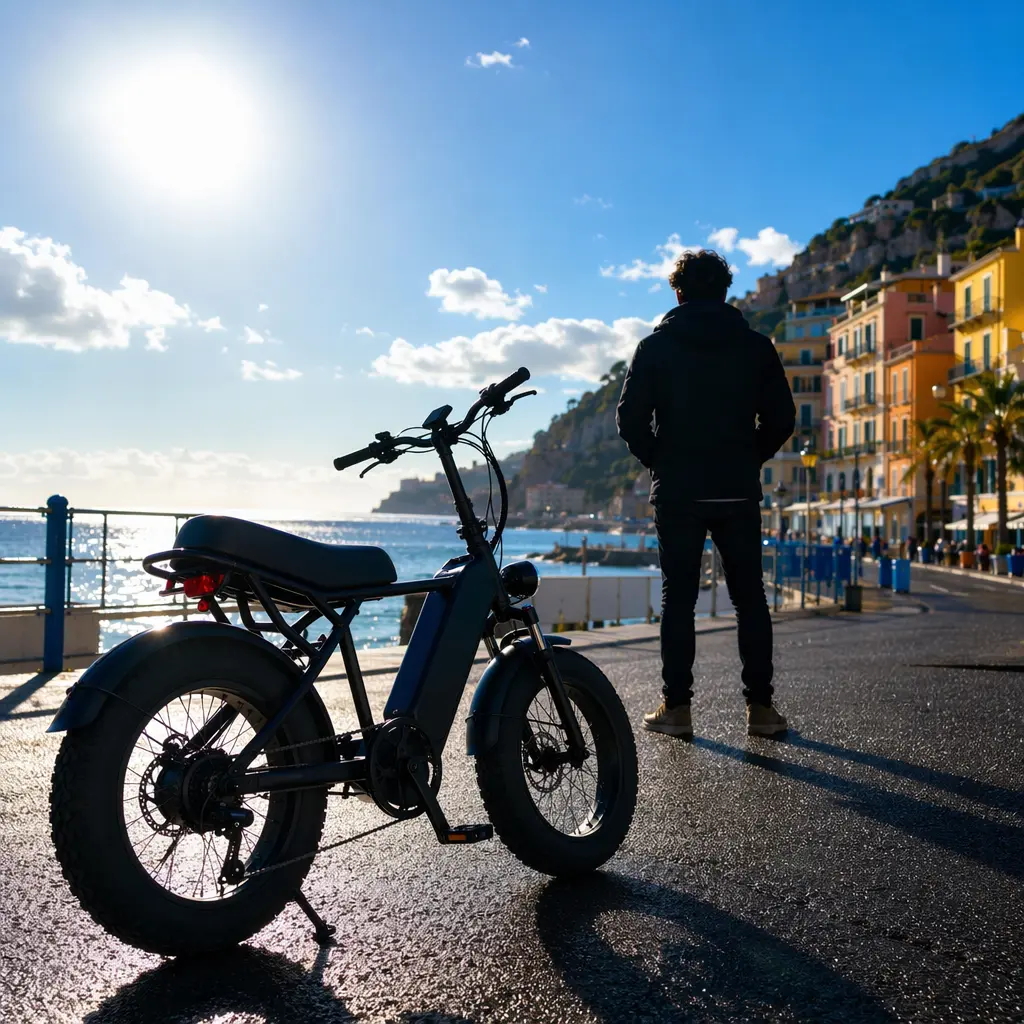
Standout categories or types
Within the £500–£1,000 range, most e‑bikes aimed at flat towns fall into a few broad types. Knowing which suits your riding helps avoid disappointment.
- Urban commuter e‑bikes: Typically rigid (no suspension), with narrower tyres and included mudguards. Best for roads, cycle paths and canal towpaths.
- Folding e‑bikes: Useful for limited storage or combining with trains, but often heavier and less stable at speed.
- Budget e‑MTB styles: Look rugged but usually overkill for town use, with cheap suspension adding weight without much benefit.
Frequently asked questions
Is a £750 e‑bike powerful enough for flat towns?
Yes. On flat routes, a 250W hub motor provides plenty of assistance for steady cruising and gentle acceleration. You’ll notice limitations mainly on hills or when heavily loaded.
What range should I realistically expect?
Manufacturers often quote optimistic figures. In real use, 15–30 miles per charge is a sensible expectation for a £750 e‑bike, depending on rider weight, assistance level and weather.
Are cheaper batteries safe and reliable?
Most use branded cells and meet UK safety standards, but quality control varies. Avoid unknown sellers and always charge with the supplied charger in a well‑ventilated space.
Will maintenance costs be higher?
Basic components may need adjustment more often, especially brakes and gears. Regular servicing keeps costs predictable and extends the bike’s life.
Is it better to buy used at this price?
Used e‑bikes can offer better components for the money, but battery health is a gamble. For many buyers, a new budget model with warranty is the safer option.
In short, a £750 e‑bike can be enough for flat UK towns if expectations are realistic. It won’t feel luxurious, but for short commutes, shopping trips and relaxed riding, it can deliver genuine everyday value.
Find these on Amazon
As an Amazon Associate, CheapBikes earns from qualifying purchases.