Best Electric Bikes £1,000–£2,000 for Heavier Riders
A buyer’s guide to e‑bikes between £1,000 and £2,000 that better suit heavier riders, focusing on frame strength, motor torque, wheels, brakes and realistic load limits.
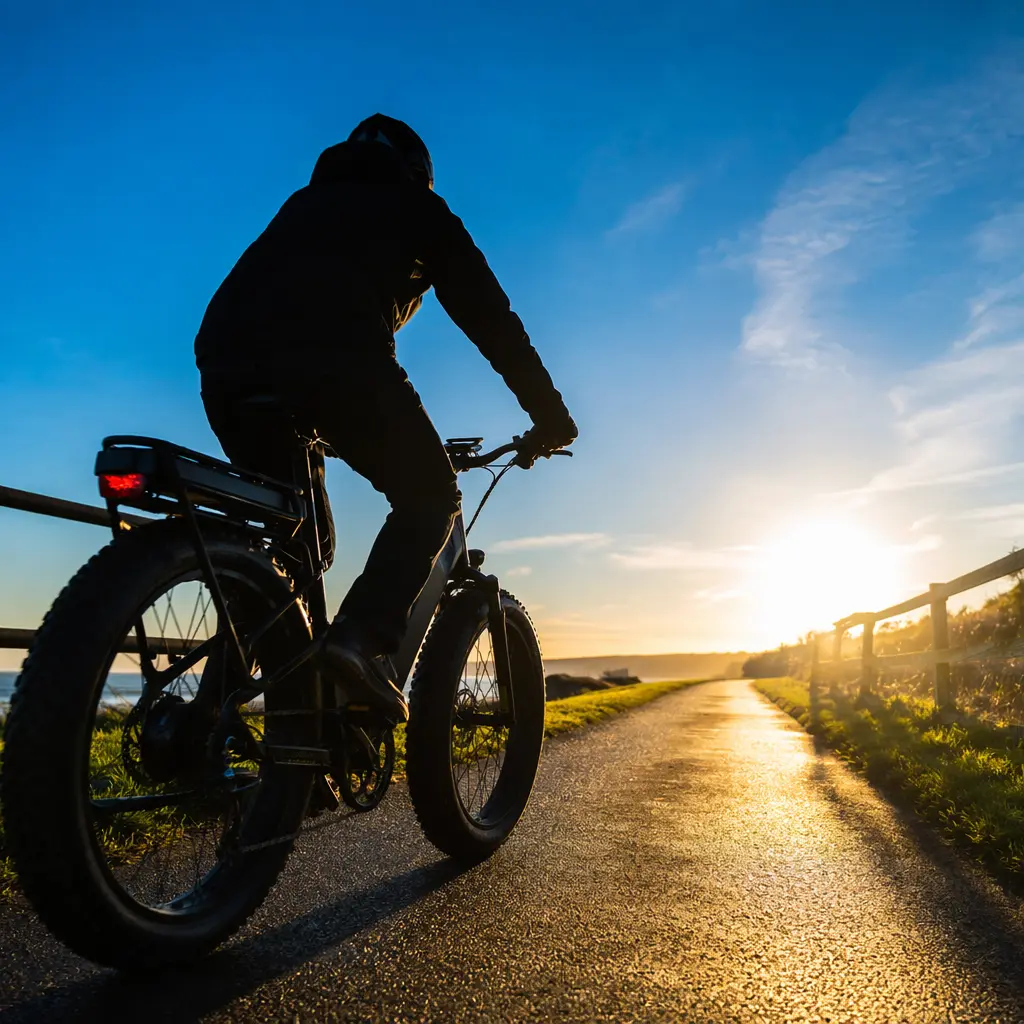
Finding an electric bike that feels solid and confidence‑inspiring can be harder if you’re a heavier rider. In the £1,000–£2,000 bracket, you’re not shopping for luxury finishes, but you can expect practical e‑bikes with enough strength, motor support and braking power to make daily riding comfortable rather than stressful.
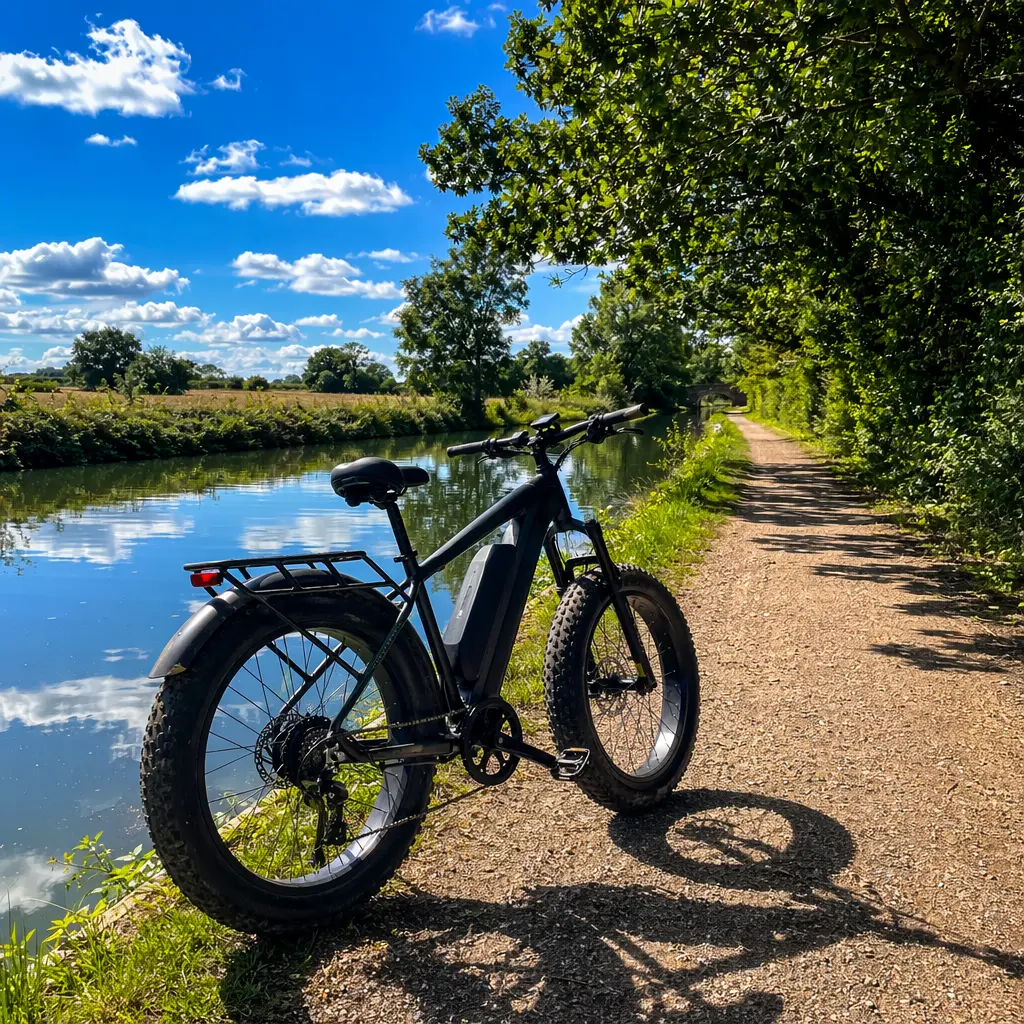
What to look for
Heavier riders place more demand on every part of an e‑bike. Within this budget, it’s important to prioritise components that cope better with higher loads rather than chasing top speed or flashy features.
- Frame strength: Aluminium frames are most common at this price and can be very robust. Look for simple, well‑braced designs rather than ultra‑light tubing.
- Motor torque: Hub motors are typical. Aim for higher torque figures, as this helps with pulling away smoothly and climbing hills without straining the system.
- Battery capacity: Bigger riders often use more assistance. A larger battery reduces range anxiety, especially on hilly routes.
- Wheels and tyres: 27.5in or 26in wheels with wider tyres (around 2.0in or more) spread load better and improve comfort.
- Spoke count: Wheels with more spokes tend to stay true for longer under heavier loads.
- Brakes: Hydraulic disc brakes are a big plus, offering stronger, more consistent stopping power.
- Geometry and fit: A more upright position reduces strain on wrists and back, and often feels more stable at low speed.
- Weight limits: Check the stated maximum system weight (rider plus luggage). Some budget e‑bikes are surprisingly conservative here.
Budget and what you're getting
Between £1,000 and £2,000, most e‑bikes are built to hit a price point. You’ll usually get a rear hub motor rather than a mid‑drive, basic suspension forks if any, and practical but not premium components. The upside is simplicity: fewer complex parts to service, and a focus on durability rather than lightness. Expect a heavier overall bike, but with enough electrical assistance to make that weight manageable in everyday riding.
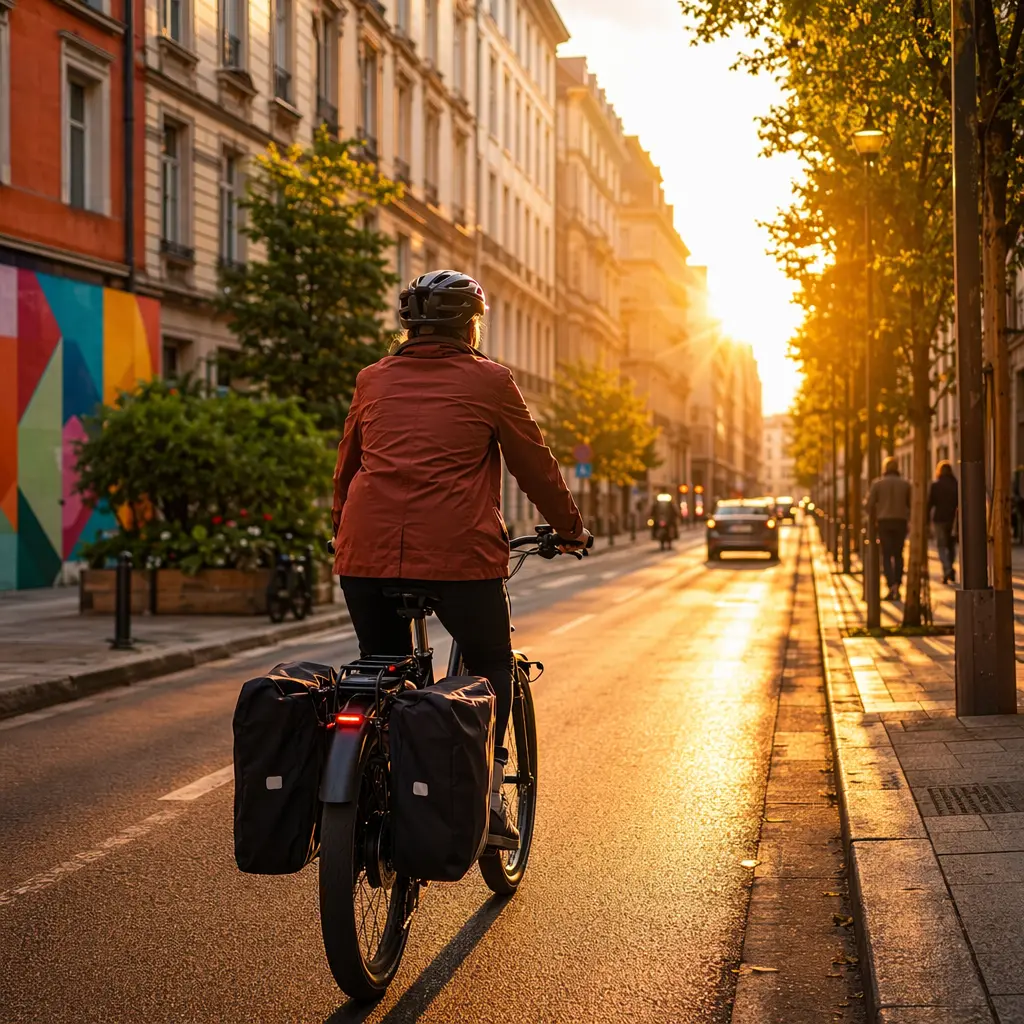
Standout categories or types
Certain styles of e‑bike tend to work better for heavier riders, especially in this price range. Choosing the right type can make more difference than chasing headline specs.
- Hybrid e‑bikes: Often the best all‑rounders, with practical geometry, room for wider tyres and mounts for mudguards and racks.
- Hardtail e‑MTB styles: Even if you’re not heading off‑road, these often come with stronger wheels and frames designed to take more abuse.
- Step‑through frames: Convenient for mounting and dismounting, but check they still have a sensible weight rating and don’t feel flexy.
- Rigid vs suspension forks: Basic suspension can add comfort, but a rigid fork is often stronger and lower maintenance at this budget.
Frequently asked questions
Do heavier riders need a more powerful motor?
Not necessarily more power, but more torque. Torque helps with pulling away and climbing hills smoothly, which matters more than top speed for most everyday riding.
Are hub motors strong enough?
Yes, for many riders. Hub motors are common in this price band and can be very reliable. They’re simple and cope well with steady commuting and leisure use.
Should I worry about wheel size?
Wheel strength matters more than diameter. Slightly smaller wheels with wider tyres and more spokes can actually be more durable under higher loads.
Is suspension a must?
No. Suspension can improve comfort, but a well‑chosen tyre and sensible riding position often make a bigger difference, with less to go wrong.
An electric bike in the £1,000–£2,000 range can absolutely work well for heavier riders if you focus on strength, torque and sensible design. Look past marketing claims, check the numbers that matter, and you’ll end up with a bike that feels supportive, stable and ready for everyday miles.
Find these on Amazon
As an Amazon Associate, CheapBikes earns from qualifying purchases.