Is a £2,000+ e‑bike worth it for flat UK towns?
A buyer-focused guide to whether a £2,000+ e‑bike makes sense on flat UK routes. We explain what premium motors, batteries and components add — and when cheaper options deliver better value.
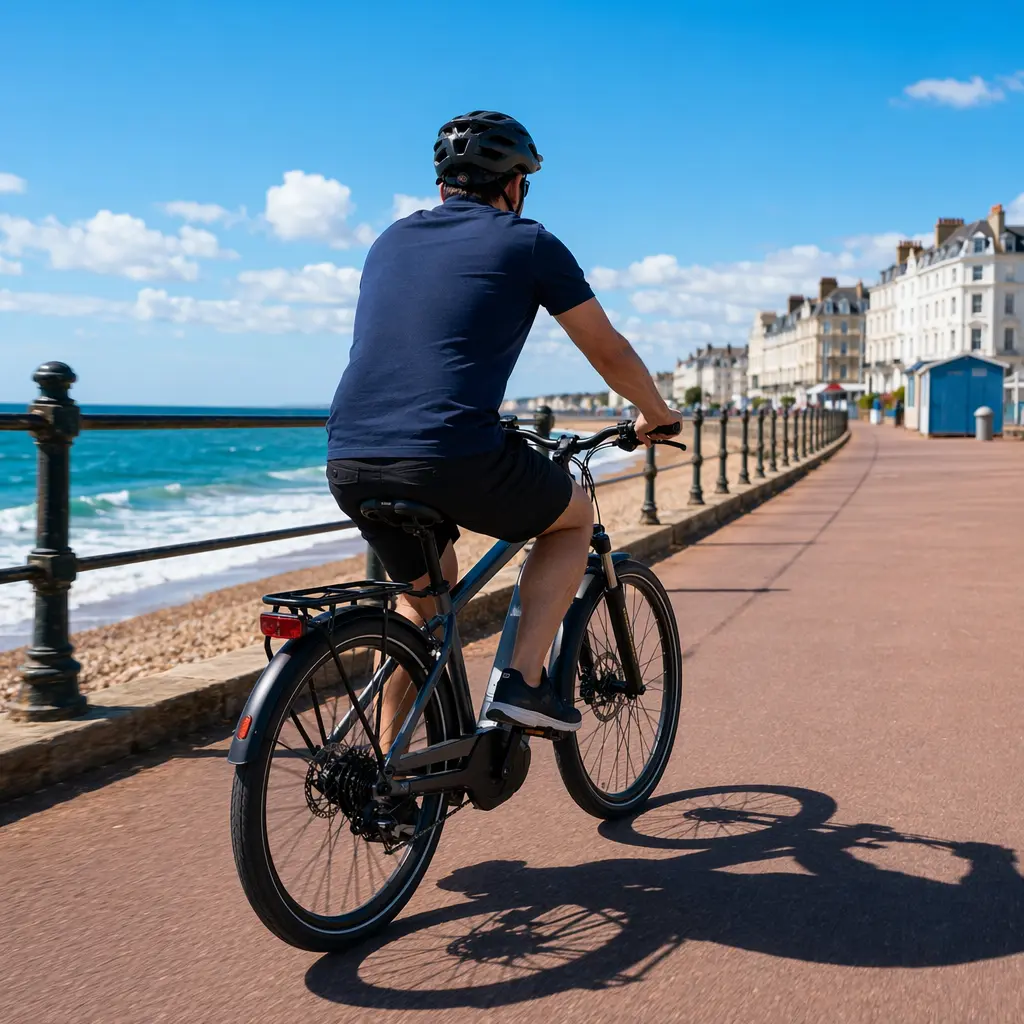
With e‑bikes now starting well under £1,000, it’s reasonable to ask whether spending £2,000 or more makes sense — especially if you live in a flat UK town with gentle routes and short distances. Premium e‑bikes promise smoother motors, longer range and better components, but not every rider will feel the benefit. This guide breaks down when higher-end e‑bikes earn their keep, and when a cheaper option will do the job just as well.
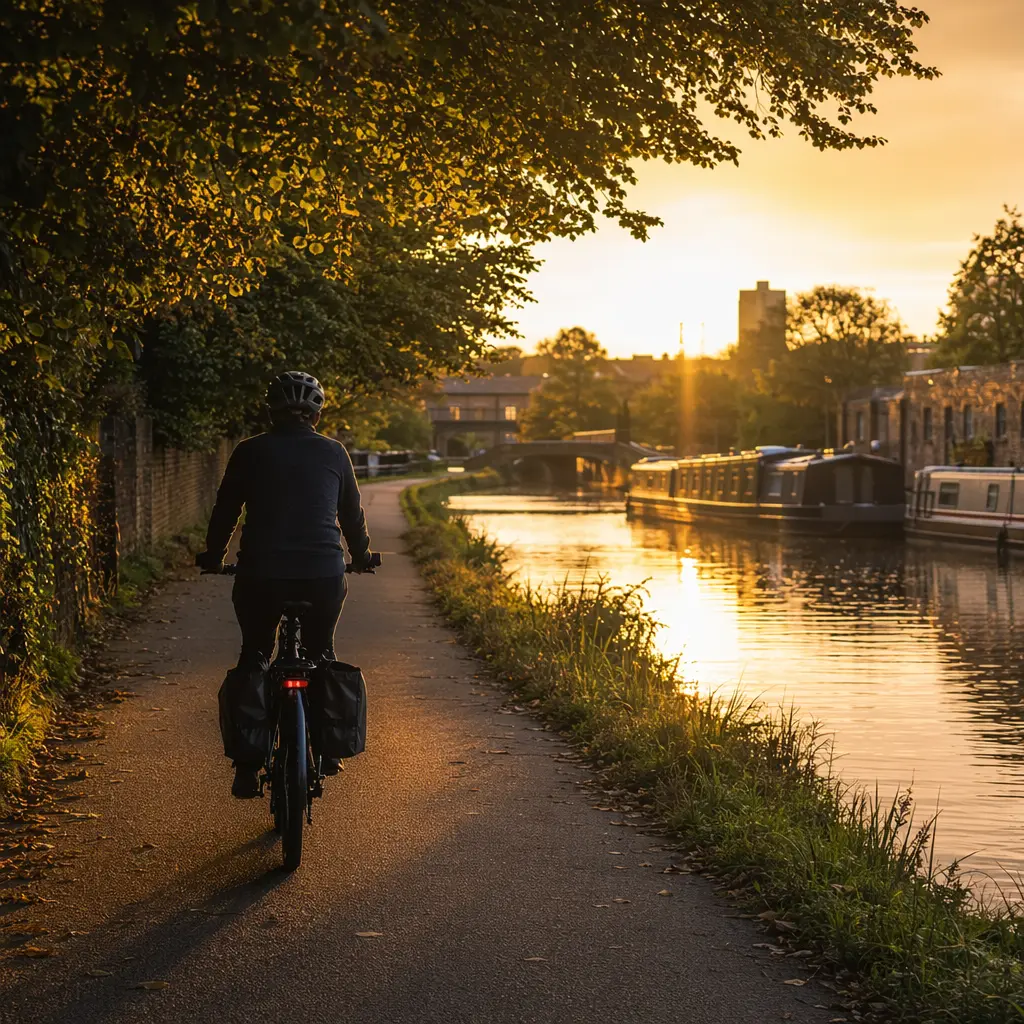
What to look for
Above £2,000, you’re paying for refinement rather than basic functionality. Understanding where that money goes helps you decide if it matches your riding needs.
- Motor type: Mid-drive motors feel more natural and efficient than rear-hub motors, particularly when accelerating or riding into headwinds.
- Battery capacity: Larger batteries offer longer range and slower degradation, but add weight and cost you may not need for short, flat trips.
- Frame material: Aluminium dominates at this price; you may also see lighter alloys or occasional steel frames tuned for comfort.
- Brake type: Hydraulic disc brakes are common and provide stronger, more consistent stopping in wet UK conditions.
- Geometry: Upright, relaxed geometry suits town riding; sportier setups favour efficiency but can feel less comfortable in traffic.
- Fit and sizing: More size options and adjustable stems make it easier to dial in a comfortable position.
- Included accessories: Integrated lights, mudguards, pannier racks and kickstands add convenience and save money later.
Budget and what you're getting
At £2,000+, you’re firmly into the ‘nice to have’ zone for flat towns. Expect quieter motors, smoother power delivery, higher-quality drivetrains and better finishing kit. What you’re not necessarily getting is a bike that goes faster or climbs hills dramatically better on flat routes — UK law caps assistance at 15.5 mph regardless of price. The trade-off is that cheaper e‑bikes may feel heavier, less refined and use components that wear sooner, but they can still handle everyday commuting perfectly well.
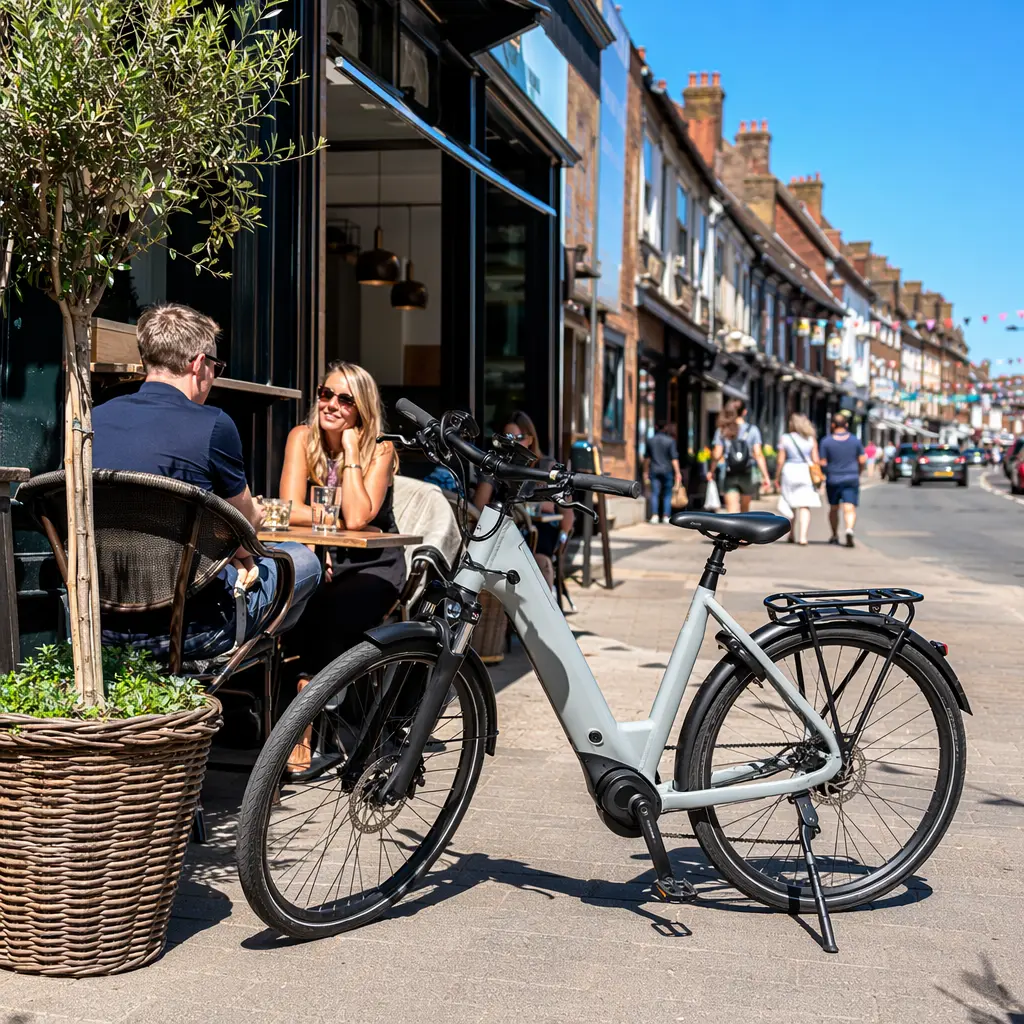
Standout categories or types
For flat towns, certain e‑bike styles make more sense than others, regardless of price. Knowing which category suits you can prevent overspending.
- Hub-motor commuters: Often cheaper and perfectly adequate for flat terrain, with simpler maintenance and a slightly more ‘on/off’ power feel.
- Mid-drive urban bikes: Cost more but deliver smoother assistance and better balance, especially noticeable in stop-start traffic.
- Lightweight e‑bikes: Use smaller motors and batteries for a more bike-like ride; ideal if you carry the bike upstairs or lift it onto trains.
- Fully equipped town bikes: Integrated lights, mudguards and racks are valuable for daily use and justify higher prices if you’d add them anyway.
Frequently asked questions
Will a £2,000+ e‑bike get me to work faster on flat roads?
No faster in top speed — assistance cuts out at the same legal limit on all compliant e‑bikes. The difference is smoother acceleration and less effort, which can make rides feel easier rather than quicker.
Do I need a big battery if my town is flat?
Not usually. Flat routes use less power, so a modest battery can cover daily commutes comfortably. Larger batteries are more useful if you ride long distances or want to charge less often.
Are premium motors quieter?
Generally yes. Higher-end motors tend to be smoother and quieter, which is noticeable in traffic and on shared paths, but it doesn’t change the basic riding capability.
Is maintenance cheaper on expensive e‑bikes?
Not always. Better components can last longer, but replacement parts may cost more. Routine servicing costs are similar across price bands.
For flat UK towns, a £2,000+ e‑bike is about comfort, polish and long-term satisfaction rather than necessity. If you value a refined ride, integrated kit and quieter assistance, the upgrade can feel worthwhile. If your goal is simply to replace short car trips or commute cheaply, a well-chosen lower-priced e‑bike will often deliver better value.
Find these on Amazon
As an Amazon Associate, CheapBikes earns from qualifying purchases.