Do £2,000+ Electric Bikes Save Money Long Term?
A buyer-focused look at whether £2,000+ e‑bikes pay back over time, weighing battery life, servicing, reliability and running costs against the upfront price.

Electric bikes priced at £2,000 and above promise longer range, smoother assistance and better reliability than cheaper options. But do they actually save money over the long term, or are they simply a costly upgrade? For UK riders weighing an e‑bike against car costs, public transport or a cheaper e‑bike, the real question is whether higher upfront spend reduces running costs and headaches over time.
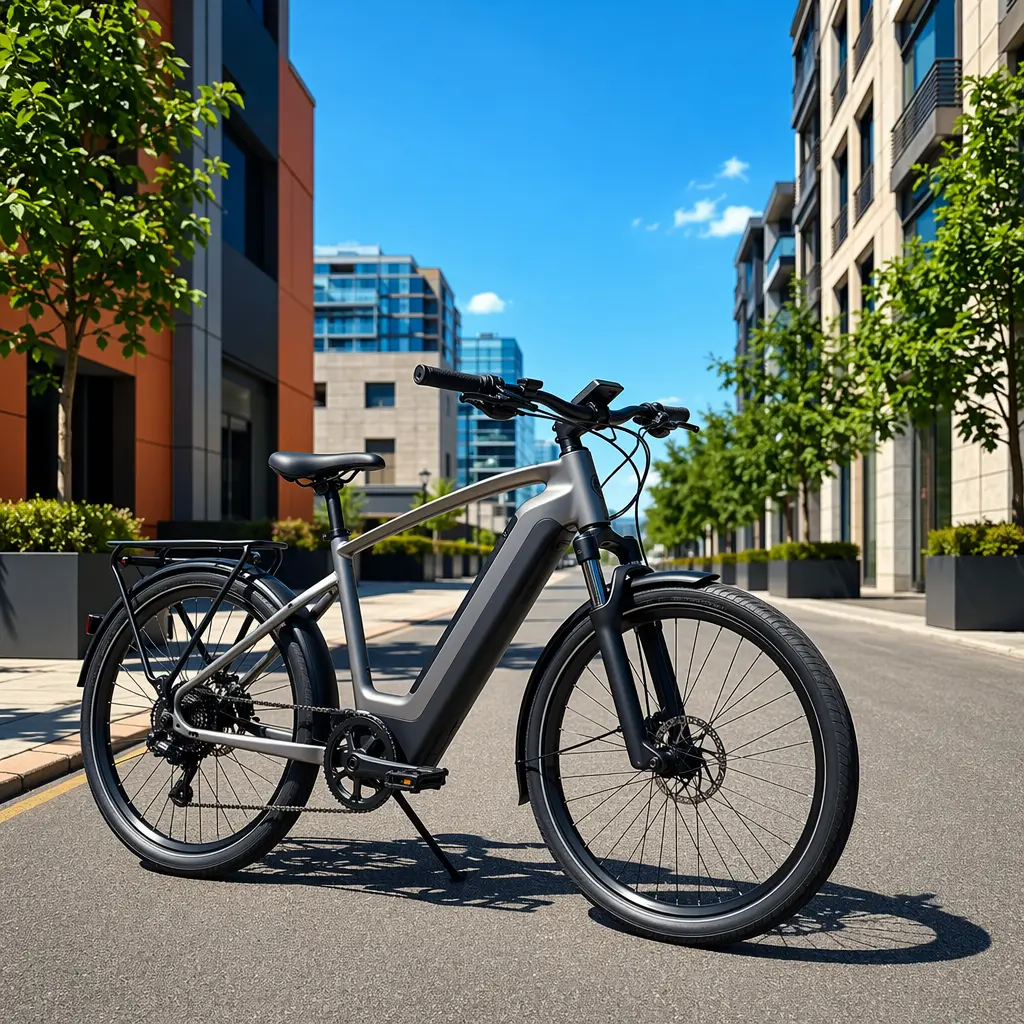
What to look for
If long-term value is the goal, certain components and design choices matter more than headline speed or range claims. Higher-priced e‑bikes usually spend the money where it affects durability and ownership costs.
- Motor and battery quality: Mid‑drive motors and branded battery cells tend to last longer and are easier to service or replace.
- Battery capacity and warranty: Bigger batteries reduce charging cycles, and a clear multi‑year battery warranty lowers risk.
- Frame material and finish: Well-made aluminium frames with decent paint resist corrosion better in year‑round UK weather.
- Brakes and drivetrain: Hydraulic disc brakes and mid‑range gears wear more slowly and need fewer adjustments.
- Geometry and comfort: An efficient, upright riding position can replace more car or bus journeys without fatigue.
- Weight: Lighter e‑bikes are easier on components and cheaper to transport or store.
- Included accessories: Integrated lights, mudguards and racks save money compared with adding them later.
Budget and what you're getting
At £2,000+, you are not just paying for extra power. The biggest differences are consistency and lifespan. Cheaper e‑bikes may work fine initially but can suffer from quicker battery degradation, limited parts availability or higher servicing costs. More expensive models usually offer better sealing against water, stronger wheels and electronics designed for daily use. The trade‑off is clear: higher upfront cost, but fewer replacements and less downtime if the bike is used regularly for commuting or errands.

Standout categories or types
Within the £2,000+ bracket, long-term value often depends on choosing the right type of e‑bike for your riding. Commuter‑focused hybrids and trekking e‑bikes are usually the most economical over time, as they prioritise durability and comfort over extreme performance.
- Mid‑drive commuter e‑bikes: Efficient motor placement reduces strain on wheels and improves battery efficiency.
- Trekking or utility e‑bikes: Built for load carrying, they can replace car trips for shopping or school runs.
- Lightweight urban e‑bikes: Lower weight means less wear, but usually smaller batteries and shorter range.
Frequently asked questions
Do expensive e‑bike batteries last longer?
Generally, yes. Higher-end batteries often use better cells and management systems, meaning they hold capacity for more charge cycles. This can delay a costly replacement by several years.
Are servicing costs higher on £2,000+ e‑bikes?
Routine servicing is similar, but parts quality can reduce how often work is needed. Access to trained technicians and spare parts can also prevent expensive repairs later.
Can a premium e‑bike really replace a car?
For many short to medium journeys, yes. When an e‑bike is reliable and comfortable, it is more likely to be used year‑round, increasing potential savings on fuel, parking and public transport.
What about insurance and security costs?
More expensive bikes may cost slightly more to insure, but good locks and secure storage protect your investment and help maintain resale value.
In the end, £2,000+ electric bikes can save money long term if they replace regular car or transport use and are well supported for servicing. The value lies less in speed or gadgets, and more in durability, battery life and reliability over years of riding.
Find these on Amazon
As an Amazon Associate, CheapBikes earns from qualifying purchases.