Is an e‑bike worth it for a flat city commute?
Even without hills, e‑bikes can make flat city commuting faster, easier and more reliable. This guide explains where electric assistance helps, what you get for the money, and when a regular bike still makes more sense.
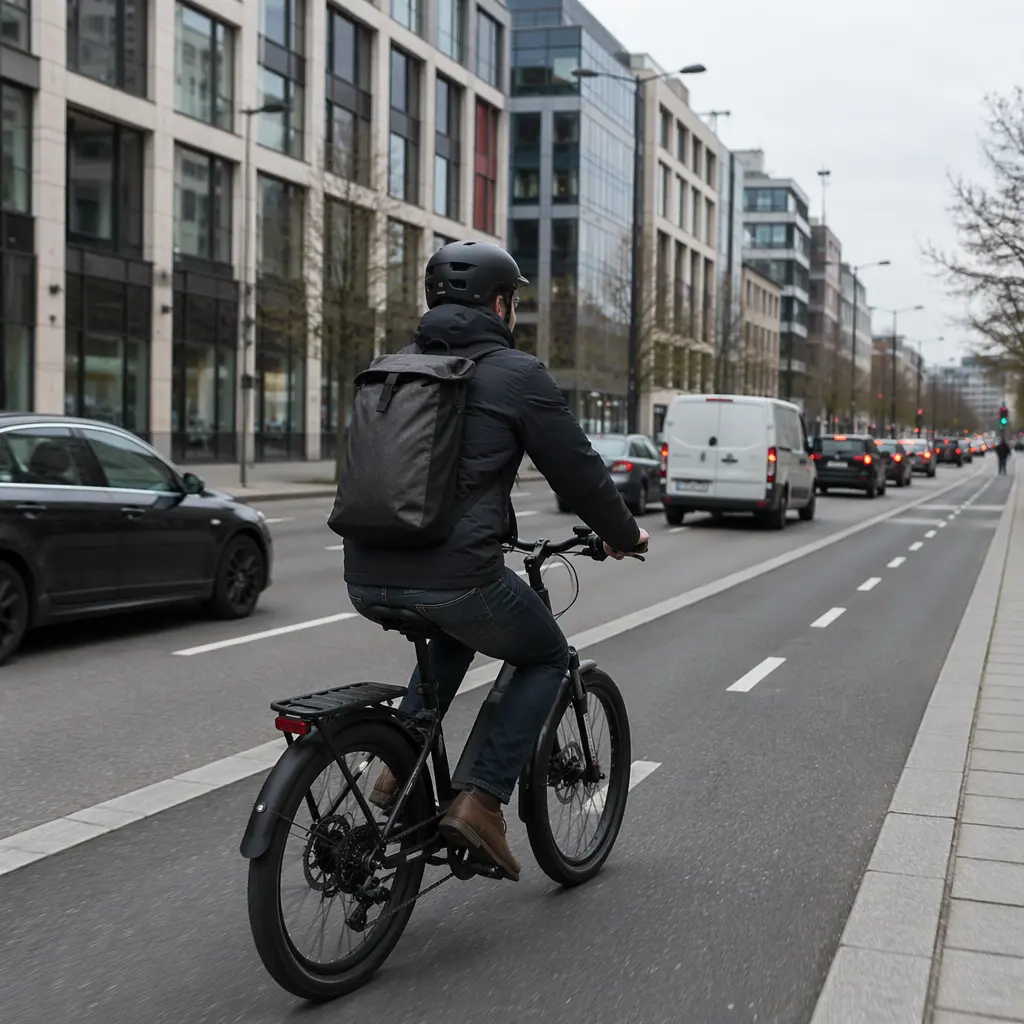
If your commute is flat and urban, an e‑bike can sound like overkill. After all, hills are the obvious reason for motor assistance. But city riding is about more than gradients. Junctions, stop‑start traffic, headwinds, carrying bags and riding in work clothes all change the equation. This guide looks at whether an e‑bike is genuinely worth the extra cost for a flat city commute — and when a standard bike still makes better sense.
What you actually get at this price
Most entry‑level to mid‑range e‑bikes for city use sit roughly between £700 and £1,500. Compared with a £400–£600 non‑electric commuter, much of the extra spend goes into the motor system and battery, with some compromises elsewhere to keep costs down.
At this level, you are not buying speed in the motorcycle sense. UK‑legal e‑bikes assist only up to 15.5mph. What you gain is easier acceleration, steadier cruising and less effort when conditions are poor or loads are heavy.
- Motor: usually a rear‑hub motor with smooth but basic power delivery
- Battery: typically 300–500Wh, enough for several short commutes between charges
- Frame: aluminium, often with a relaxed, upright city geometry
- Gearing: simple wide‑range derailleur gears or a basic hub gear
- Brakes: mechanical or entry‑level hydraulic disc brakes
- Extras: many include mudguards, kickstand and rear rack as standard
How to choose
For flat city riding, the key question is not raw motor power but how the bike fits into daily life. Upright geometry with good visibility in traffic is often more valuable than sporty handling. Step‑through frames can be a real advantage if you are stopping often or riding in everyday clothes.
Think about how you actually ride. Short, stop‑start journeys with lots of junctions benefit most from motor assistance. If your commute includes carrying a laptop, shopping or a child seat, the motor helps keep the ride calm and predictable. Storage matters too: integrated racks and proper mudguards make an e‑bike far more usable year‑round.
What to look out for
- Weight: e‑bikes are heavy, often 22–25kg, which matters if you carry them upstairs
- Basic components: drivetrains and wheels may wear faster under motor assistance
- Battery removal: some cheaper bikes require indoor charging with the whole bike
- Limited adjustability: stems and handlebars can be basic and hard to fine‑tune
- After‑sales support: warranty and servicing matter more with electrics
Worth spending more on
Even on a flat route, a few upgrades can transform the experience. Tyres are the biggest one. Quality puncture‑resistant tyres roll faster, feel quieter and reduce roadside hassle. A comfortable saddle suited to an upright position also pays off quickly on daily rides.
Security is another area not to skimp on. E‑bikes are attractive targets, and a solid lock is essential. Lights are often included, but brighter, better‑shaped beams improve visibility in winter traffic. These additions cost far less than upgrading the bike itself and deliver clear day‑to‑day value.
Frequently asked questions
Will an e‑bike make me less fit?
Not necessarily. Most riders end up cycling more often and for longer. You still pedal, just with assistance. For commuting, arriving less sweaty can actually make riding more consistent.
Is an e‑bike faster on flat roads?
Top speed is the same as a regular bike, but acceleration is quicker. In traffic, that often translates into shorter journey times and less effort keeping pace with the flow.
How much does charging cost?
Very little. Even with daily commuting, electricity costs are typically just a few pounds per year, making it far cheaper than running a car or motorbike.
When is a normal bike the better choice?
If your route is short, you enjoy riding briskly, and you need to carry the bike up stairs regularly, a lightweight non‑electric bike is often simpler and cheaper.
For flat city commuting, an e‑bike is not about conquering hills but smoothing the ride. If ease, consistency and comfort matter more than simplicity, electric assistance can still be money well spent.
Find these on Amazon
As an Amazon Associate, CheapBikes earns from qualifying purchases.