Cheap e-bikes under £1,000: realistic expectations
A plain‑English guide to e-bikes under £1,000. Learn what range, motor power and reliability to expect, where corners are cut, and how to choose a budget electric bike that suits everyday UK riding.
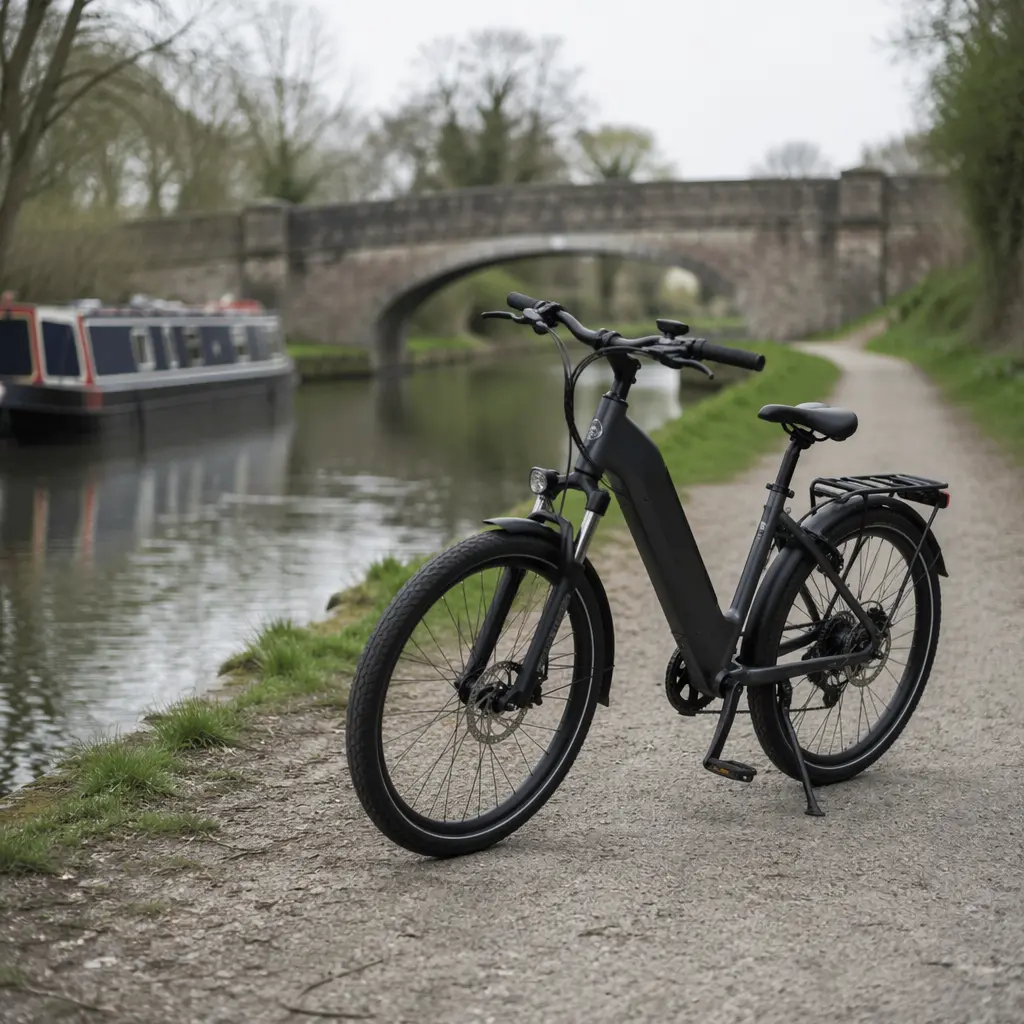
Electric bikes have dropped in price fast, and it’s now common to see complete e-bikes advertised for under £1,000. That makes them tempting for commuting, gentle leisure rides or replacing short car trips. The challenge is knowing what’s realistic at this budget — and what compromises are usually hiding behind the headline price.
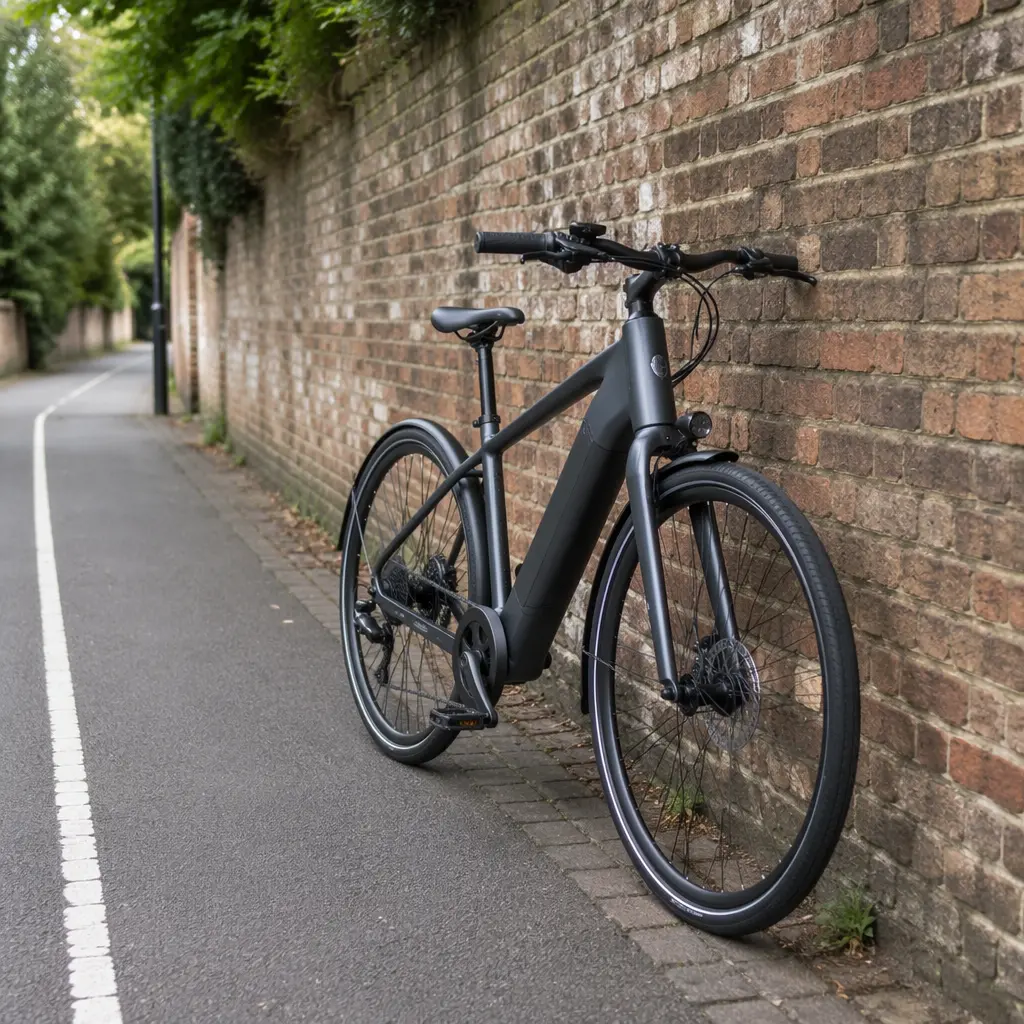
What to look for
At the lower end of the e-bike market, the basics matter more than flashy features. Focus on parts that affect safety, comfort and long-term usability rather than headline range claims.
- Motor type and power: Most sub‑£1,000 e-bikes use rear‑hub motors. They’re simple and affordable, usually limited to the UK‑legal 250W with assistance up to 15.5mph.
- Battery size: Expect smaller batteries. Real‑world range is often 15–30 miles depending on assist level, rider weight, hills and wind.
- Frame material: Aluminium frames are common and help keep weight down. Steel is rarer but can feel more forgiving on rough surfaces.
- Brakes: Mechanical disc brakes are typical at this price. They work fine when set up properly but need more regular adjustment than hydraulics.
- Gearing: Simple 6–7 speed drivetrains are normal. They’re adequate for flatter routes but can feel stretched on steep hills.
- Geometry and fit: Upright, comfort‑biased positions suit commuting and leisure riding, but sizing options may be limited.
- Included accessories: Mudguards, rear racks and lights are sometimes included, sometimes not. Check carefully, as adding them later adds cost.
Budget and what you're getting
An e-bike under £1,000 is built to hit a price point. That usually means heavier frames, simpler motors and batteries with lower capacity. You’re paying for electric assistance first, not refinement. Finish quality, cabling and bearings may be basic, and quality control can be inconsistent between batches. That doesn’t make these bikes unusable — many do the job well — but expectations need to match the price. Regular maintenance becomes more important, and long-term durability may not match more expensive bikes used daily in all weathers.
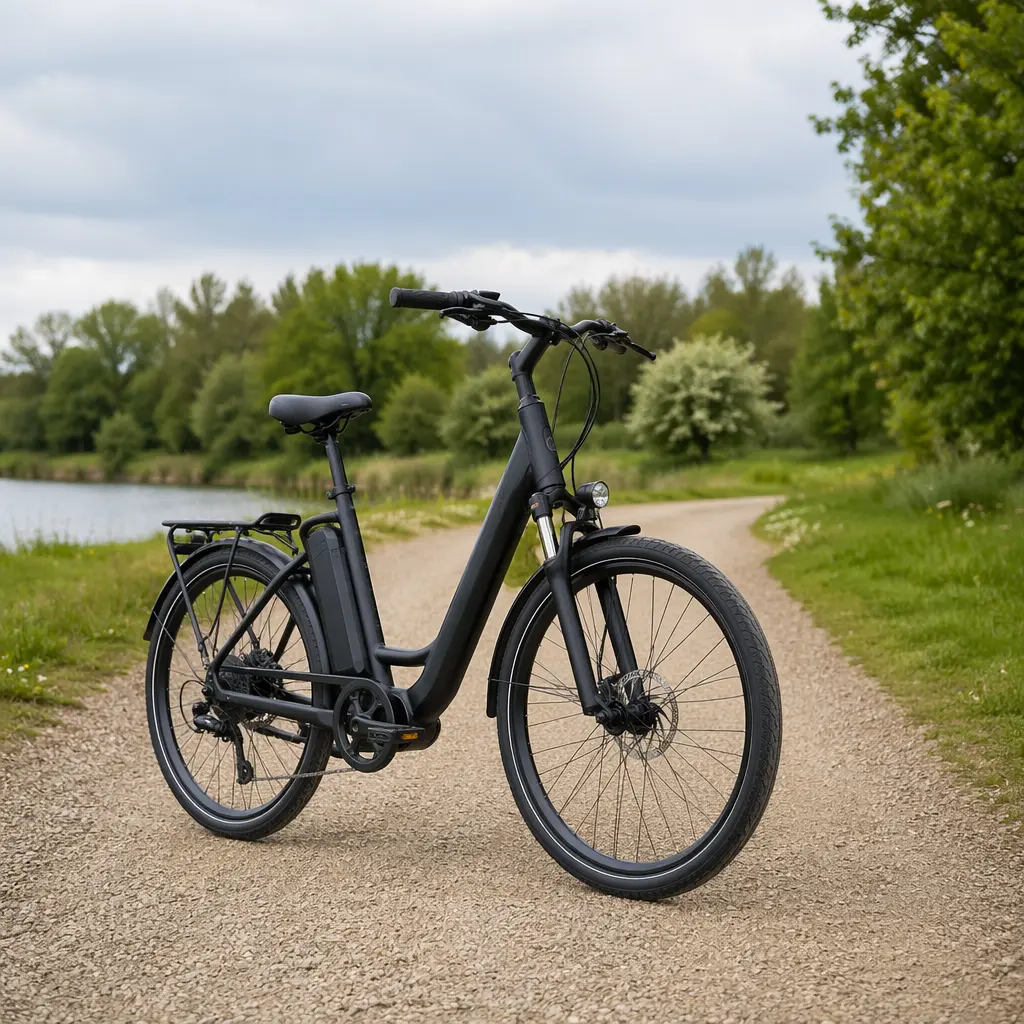
Standout categories or types
Most e-bikes under £1,000 fall into a few familiar categories. Understanding the differences helps avoid disappointment.
- Urban or hybrid-style e-bikes: The most common option. Rigid forks, narrower tyres and practical geometry suit tarmac paths, roads and canal towpaths.
- Front-suspension models: Sometimes offered, but the suspension forks are usually basic. They add weight and often don’t improve comfort much on real UK road surfaces.
- Folding e-bikes: Compact and convenient for storage, but heavier than non-electric folders and often have shorter range due to small batteries.
- Off-road styled e-bikes: Chunky tyres and mountain-bike looks are common, but at this price they’re best treated as gravel or path bikes rather than true trail machines.
Frequently asked questions
How far will a cheap e-bike really go?
Ignore optimistic marketing numbers. In mixed UK riding, a realistic range is often 15–30 miles. Cold weather, hills and using the highest assist mode will reduce this further.
Are these e-bikes legal to ride on UK roads?
They should be, as long as assistance cuts out at 15.5mph and the motor is rated at 250W. Always check the specification, especially with unfamiliar sellers.
How heavy are budget e-bikes?
Weight is a common downside. Many come in well over 20kg. That matters if you need to carry the bike upstairs or lift it onto a rack.
Will replacement batteries be available?
This is a key risk. Some budget bikes use generic battery formats that are easy to replace, while others rely on model‑specific packs. Check availability before buying.
Cheap e-bikes under £1,000 can make everyday cycling easier and more accessible, especially for shorter commutes and flatter routes. Go in with clear expectations, prioritise legality and after‑sales support, and treat bold range claims with caution. When chosen carefully, a budget e-bike can still be a useful, practical way to get around.
Find these on Amazon
As an Amazon Associate, CheapBikes earns from qualifying purchases.