Is a £1,500 e‑bike enough for hilly UK commutes?
Motor power, battery size and real‑world range explained to help UK riders decide if a £1,500 e‑bike can handle hills, stop‑start traffic and daily mileage without overspending.

Hilly commutes put e‑bikes to the test. For many UK riders, £1,500 sits right in the middle of the market: not bargain-basement, but not premium either. The key question is whether bikes at this price have enough motor assistance, battery capacity and everyday durability to make climbing hills feel manageable on a daily ride to work.
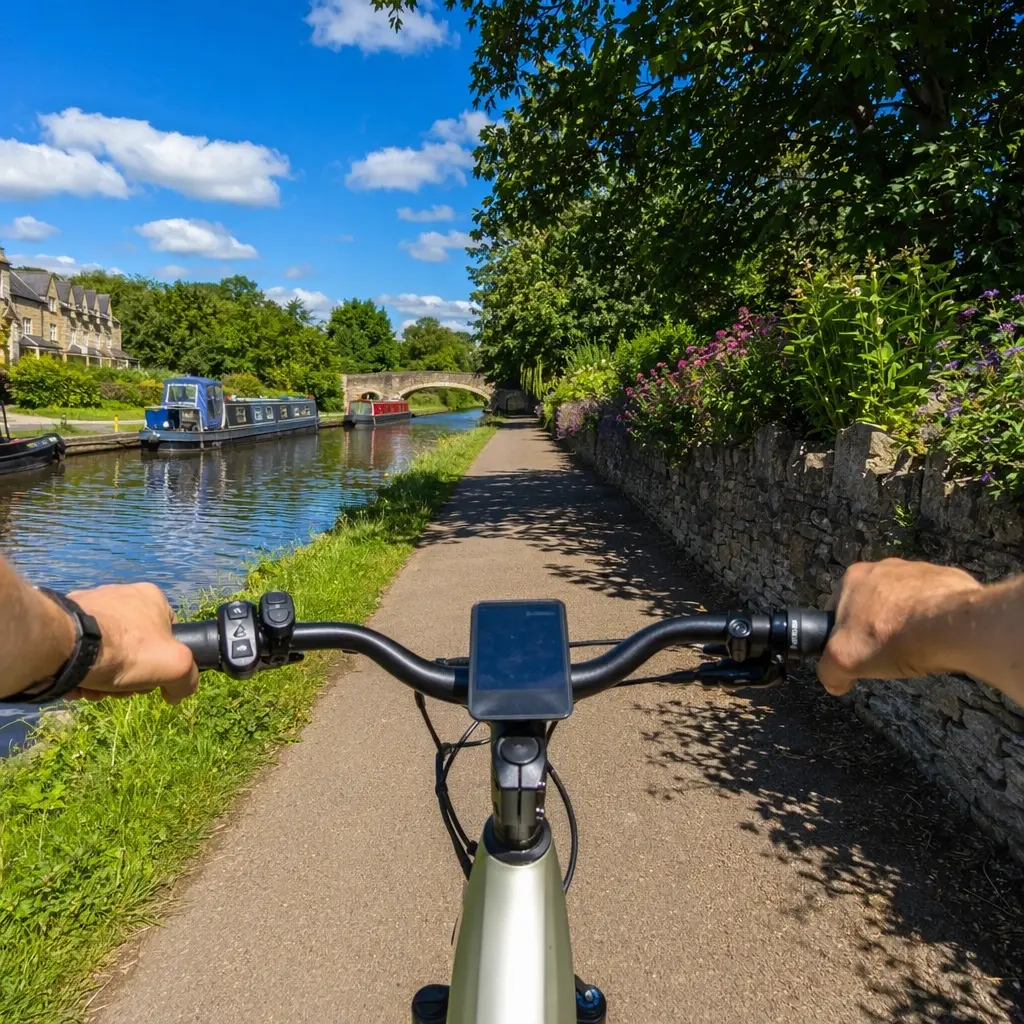
What to look for
At around £1,500, the headline spec numbers matter more than brand prestige. Focus on components that directly affect how the bike feels on climbs and how reliably it copes with daily commuting.
- Motor power and torque: UK‑legal e‑bikes are limited to 250W continuous output, but torque (measured in Nm) makes the real difference on hills. Look for higher torque figures, especially if you live in a very hilly area.
- Battery capacity: Measured in watt‑hours (Wh). Larger batteries give more range and less anxiety on long or hilly routes. Around this budget, mid‑sized batteries are common.
- Gearing: A wide gear range helps you pedal comfortably alongside the motor on steep gradients. Entry‑level drivetrains are normal, but very limited gearing can feel restrictive.
- Brakes: Disc brakes are now standard and strongly recommended for hilly commutes, especially in wet UK weather.
- Frame material: Aluminium frames dominate at this price for good reason — they’re light enough and keep costs down.
- Geometry and fit: An upright or slightly relaxed position suits commuting and reduces strain on longer rides.
- Included accessories: Mudguards, lights and a rear rack add value and save money later, but not all bikes include them as standard.
Budget and what you're getting
A £1,500 e‑bike won’t match the refinement of higher‑end models, but it’s generally capable enough for hilly UK commuting. Expect a hub motor rather than a mid‑drive, a sensible battery size rather than a huge one, and functional rather than premium components. The trade‑off is usually extra weight and less sophisticated power delivery. What you gain is solid hill assistance, legal road use, and running costs far lower than public transport or driving.
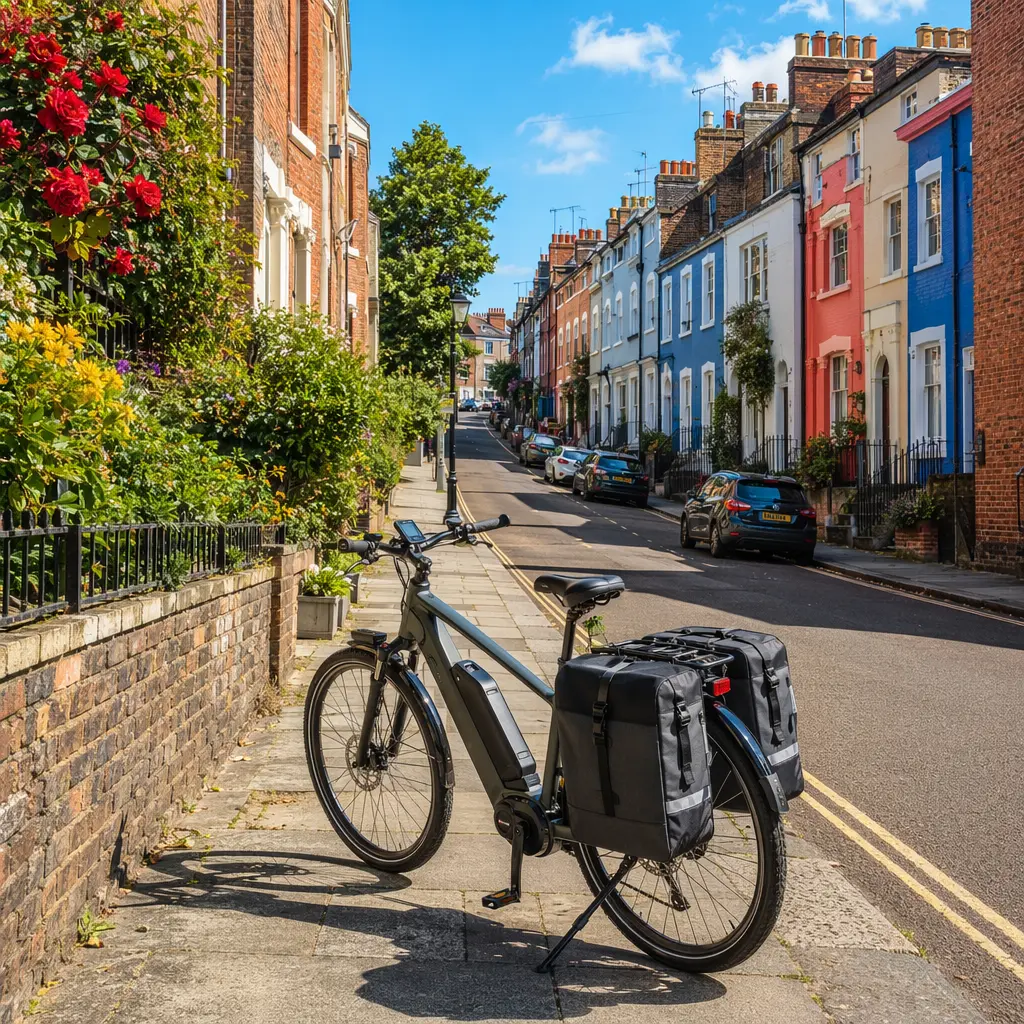
Standout categories or types
Most £1,500 e‑bikes aimed at commuting fall into the hybrid category. Within that, there are a few clear sub‑types worth understanding.
- Rear‑hub motor hybrids: Common at this price. They provide a noticeable push on climbs, though power delivery can feel less natural than pricier mid‑drives.
- Front‑hub motor hybrids: Usually cheaper and fine for gentle hills, but they can struggle on very steep gradients or slippery roads.
- Rigid forks vs suspension forks: Rigid forks are lighter and more efficient for road riding. Budget suspension adds comfort on rough surfaces but also weight.
- Commuter‑ready builds: Some bikes focus on practicality, with mounts for racks and full mudguards, even if the motor and battery are modest.
Frequently asked questions
Is 250W really enough for steep UK hills?
Yes, provided the motor has decent torque and you contribute some pedalling effort. UK law caps continuous output at 250W, so performance differences come from torque, gearing and how the assistance is tuned.
What range can I expect on a hilly commute?
Hills reduce range noticeably. A mid‑sized battery may cover several days of short commutes or a few longer rides, but frequent steep climbs and high assistance levels will shorten that.
Are hub motors reliable for daily use?
For commuting, hub motors are generally reliable and low‑maintenance. They’re simpler than mid‑drives and well suited to riders who want straightforward assistance rather than sporty handling.
Do I need suspension for a commute?
Not necessarily. On tarmac and cycle paths, wider tyres and correct pressure often provide enough comfort. Suspension can help on poor surfaces but adds weight and complexity.
Will a £1,500 e‑bike be expensive to run?
Running costs are usually low. Charging the battery is cheap, and routine servicing is similar to a normal bike, with brake pads and tyres being the main wear items.
For most hilly UK commutes, a £1,500 e‑bike is enough if chosen carefully. It won’t feel luxurious, but with the right motor torque, sensible gearing and a battery matched to your distance, it can turn tough climbs into manageable daily rides without stretching the budget.
Find these on Amazon
As an Amazon Associate, CheapBikes earns from qualifying purchases.