£700 vs £1,500 e-bikes: what you really give up
A clear-eyed look at where £700 e-bikes cut corners versus £1,500 options — covering motor feel, battery life and the long-term costs that matter to UK riders.

A £700 e‑bike can look like a bargain, especially with fuel prices and train fares where they are. But jump to around £1,500 and the riding experience — and ownership costs — change in ways that are not always obvious on a spec sheet. This guide explains who each budget suits, and where the cheaper option quietly gives things up.
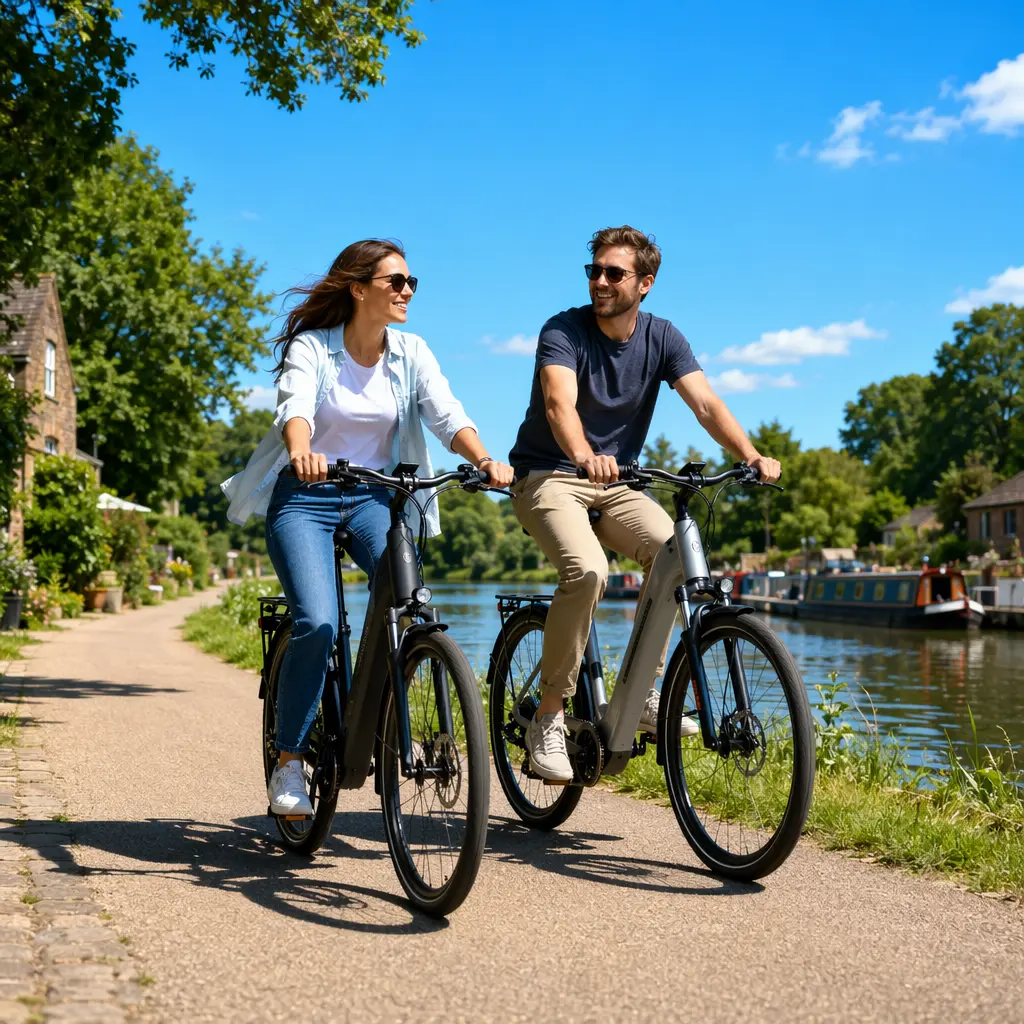
What you actually get at this price
At around £700, e‑bikes are built to meet the legal minimum for assistance and hit a headline price. At £1,500, brands have room to upgrade the parts you feel every ride — and the ones that age over time.
- Motor: £700 bikes typically use basic rear‑hub motors with simple on/off assistance. £1,500 bikes more often use smoother, better‑tuned hub motors or entry‑level mid‑drives with improved torque sensing.
- Battery: Expect smaller batteries at £700, often using lower‑cost cells. £1,500 bikes usually offer higher‑capacity packs with better cell quality and smarter battery management.
- Frame: Both price points use aluminium, but cheaper frames prioritise cost over weight and finish. More expensive frames are stiffer, better finished and often designed around the motor system.
- Gearing: Entry‑level derailleurs and wide jumps between gears are common at £700. £1,500 brings smoother shifting and ratios that better suit assisted riding.
- Brakes: Mechanical disc brakes are standard at the low end. Hydraulic discs, with more consistent stopping and less hand effort, are common at £1,500.
- Extras: Mudguards, racks and lights may be absent or basic on £700 bikes. Mid‑range bikes often include sturdier guards, proper rear racks and lights wired into the battery.
How to choose
The decision comes down to how often the bike will be used and how sensitive the rider is to ride quality. Occasional leisure rides on flatter routes place fewer demands on the motor and battery. Daily commuting, hills and stop‑start traffic expose weaknesses quickly.
Fit and geometry matter too. Cheaper e‑bikes often copy generic frames that suit a wide range of riders but excel at none. Spending more usually brings a more stable ride, better weight distribution and contact points that reduce fatigue over longer distances.
What to look out for
- Abrupt power delivery that surges when pedalling, making smooth starts and junctions harder to manage.
- Shorter real‑world range than claimed, especially in winter when batteries are less efficient.
- Heavier overall weight, which is noticeable when lifting the bike over kerbs or carrying it upstairs.
- Basic displays and controls with limited information and fewer assist levels.
- Spare parts availability — some budget systems are hard to service once out of warranty.
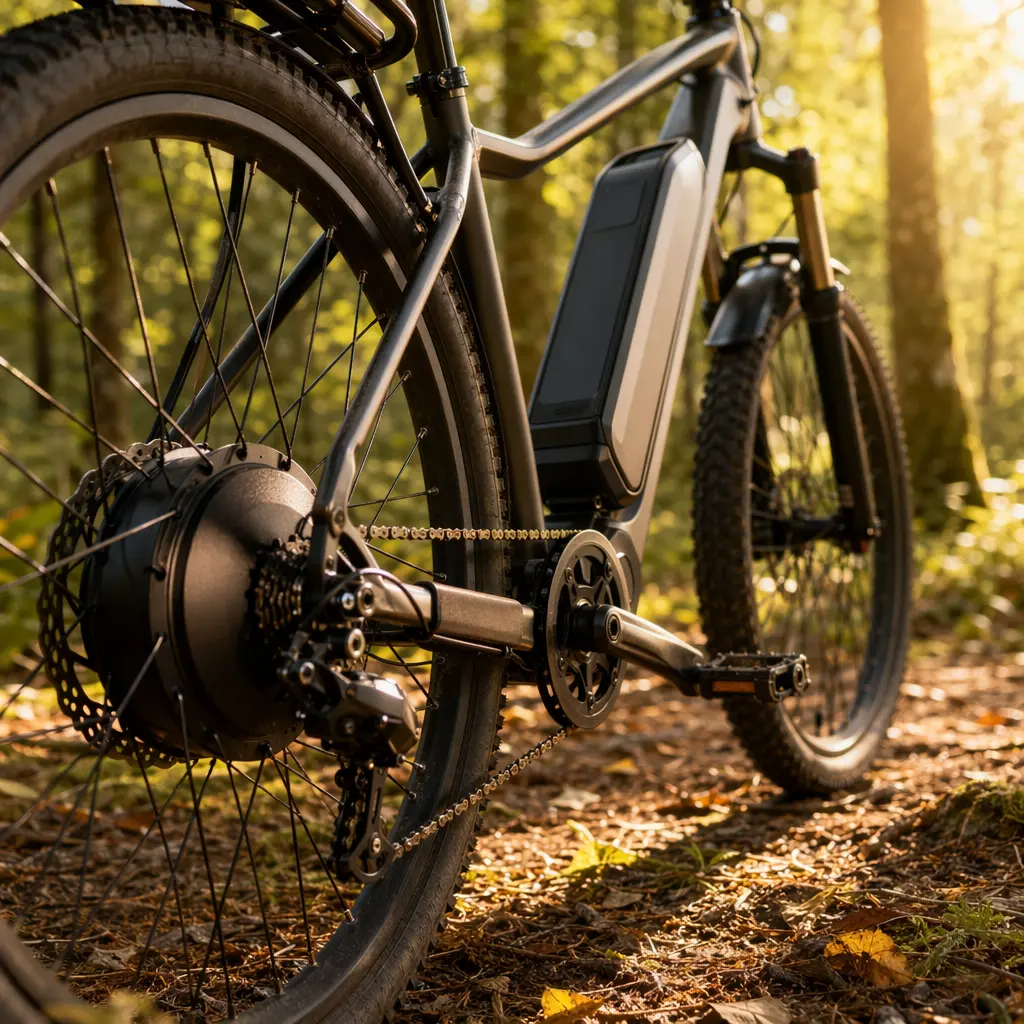
Where the £800 difference really goes
Motor smoothness is the biggest upgrade. Cheaper hub motors often rely on cadence sensors, delivering power whenever the pedals turn. More expensive systems blend torque and cadence sensing, matching assistance to effort. The result feels more natural and is easier to control in traffic.
Battery longevity is the quiet cost. Lower‑quality cells lose capacity faster, meaning shorter range after a year or two. Replacing a battery can cost several hundred pounds, wiping out the initial saving. Better batteries also charge more efficiently and cope better with frequent top‑ups.
Running costs follow. Smoother motors and better drivetrains put less stress on chains, cassettes and brake pads. Over thousands of miles, that means fewer replacements and less time in the workshop.
Worth spending more on
Even on a cheaper e‑bike, a few upgrades make a disproportionate difference. Tyres with puncture protection reduce roadside stops and protect the motor from unnecessary strain. A comfortable saddle and ergonomic grips matter more on an e‑bike, where average speeds are higher.
Security is another area not to skimp on. Heavier e‑bikes attract attention, and a solid lock is cheaper than replacing a stolen battery or bike.
Frequently asked questions
Is a £700 e-bike bad value?
Not necessarily. For light use on flatter routes, it can be a cost‑effective way to try electric cycling. The compromises become clearer with frequent use and hills.
Will a £1,500 e-bike last longer?
Generally yes. Better batteries, motors and components tend to age more gracefully, reducing the chance of expensive replacements after a couple of years.
Are running costs higher on cheaper e-bikes?
They can be. Faster wear on drivetrain parts and earlier battery replacement can make a low purchase price misleading over time.
Is it worth buying used at £1,500?
Used can be good value, but battery health is critical. Check remaining capacity and whether replacements are readily available in the UK.
In short, £700 buys access to electric assistance, while £1,500 buys refinement and lower long‑term hassle. The right choice depends on how often the bike will be ridden and how much smoothness and longevity matter.
Find these on Amazon
As an Amazon Associate, CheapBikes earns from qualifying purchases.