Is an electric bike under £800 worth it for commuting?
A plain-English guide to what £800 buys you in an electric commuter bike: realistic range, motor types, battery life, and the trade-offs to expect for UK riding.

Electric bikes are no longer niche, but prices still vary wildly. If your commute is getting longer or hillier, an e‑bike under £800 can look tempting. The key question is whether that budget delivers a useful, reliable commuter—or a compromise that frustrates. This guide sets realistic expectations for motors, batteries and day‑to‑day usability at the lower end of the market.
What to look for
At under £800, the basics matter more than headline specs. Focus on components that affect daily reliability and comfort rather than chasing big numbers.
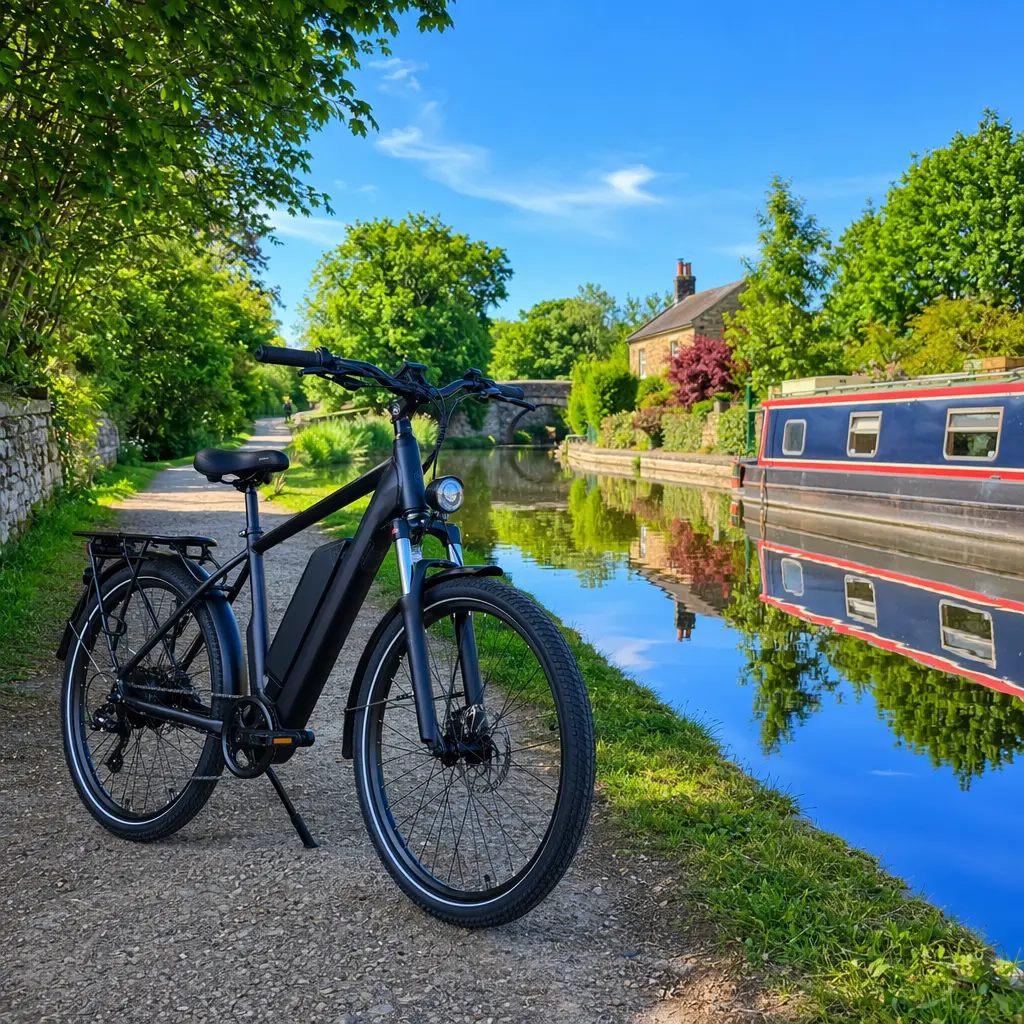
- Motor type and placement: Most budget e‑bikes use a rear hub motor. These are simple and fine for steady assistance, but feel less natural than mid‑drive systems.
- Battery capacity: Expect smaller batteries. Look for realistic quoted ranges and remember wind, hills and rider weight all reduce mileage.
- Gearing: Basic derailleur gearing is common. Enough range for gentle hills is more important than having lots of gears.
- Brakes: Mechanical disc brakes are typical. They work well if set up properly, but need occasional adjustment.
- Frame material: Aluminium keeps weight and cost down. Steel is rarer but can feel more forgiving on rough roads.
- Geometry and fit: Upright commuter geometry is more comfortable in traffic. Check size charts carefully.
- Weight: Budget e‑bikes are heavy. Consider how often you’ll carry it up steps or lift it onto a train.
- Included accessories: Mudguards, a rear rack and lights add real value for commuting and save money later.
Budget and what you're getting
Under £800 buys basic electric assistance, not refinement. Motors are usually lower powered, batteries are smaller, and overall weight is higher than premium bikes. You’re trading cutting‑edge performance for affordability. For short to medium commutes on mostly flat routes, that can be a sensible trade. For long distances or steep daily climbs, the limitations become more obvious over time.
Standout categories or types
Even at this price point, there are a few distinct styles worth understanding before you buy.
- Hub‑motor commuters: The most common option. Simple, affordable and quiet, best for flatter routes and steady cruising.
- Folding electric bikes: Useful if storage space is tight or you mix cycling with trains, but expect shorter range and smaller wheels.
- Hybrid-style e‑bikes: Larger wheels and a more traditional riding position make these better for longer urban trips and rougher road surfaces.
Frequently asked questions
What range can I realistically expect?
Quoted ranges are often optimistic. In real UK commuting conditions, many sub‑£800 e‑bikes deliver a modest but usable distance per charge, especially on lower assistance levels.
Are cheap e‑bike batteries safe?
Reputable sellers should meet UK safety standards, but build quality varies. Avoid unbranded chargers, follow charging instructions, and store batteries in a cool, dry place.
Will it handle hills?
Gentle hills are usually fine. Long or steep climbs can strain smaller motors and drain batteries quickly, meaning you’ll need to contribute more pedalling effort.
How much maintenance should I expect?
Similar to a standard bike, with added checks for electrical connections. Budget components may need more frequent adjustments, especially brakes and gears.
Is it worth stretching the budget?
If you rely on the bike daily or ride longer distances, spending a bit more can bring noticeable gains in battery life, weight and ride quality. For occasional commuting, staying under £800 can still make sense.
An electric bike under £800 can be worth it for commuting if your expectations are realistic. Think short to medium distances, moderate assistance and basic components. Focus on fit, safety and everyday practicality, and you’ll be better placed to decide whether budget electric power suits your ride to work.
Find these on Amazon
As an Amazon Associate, CheapBikes earns from qualifying purchases.