Electric bikes under £1,500: what range really means
Range claims can be confusing. This plain‑English guide explains battery sizes, motor types and realistic UK mileage for electric bikes under £1,500.
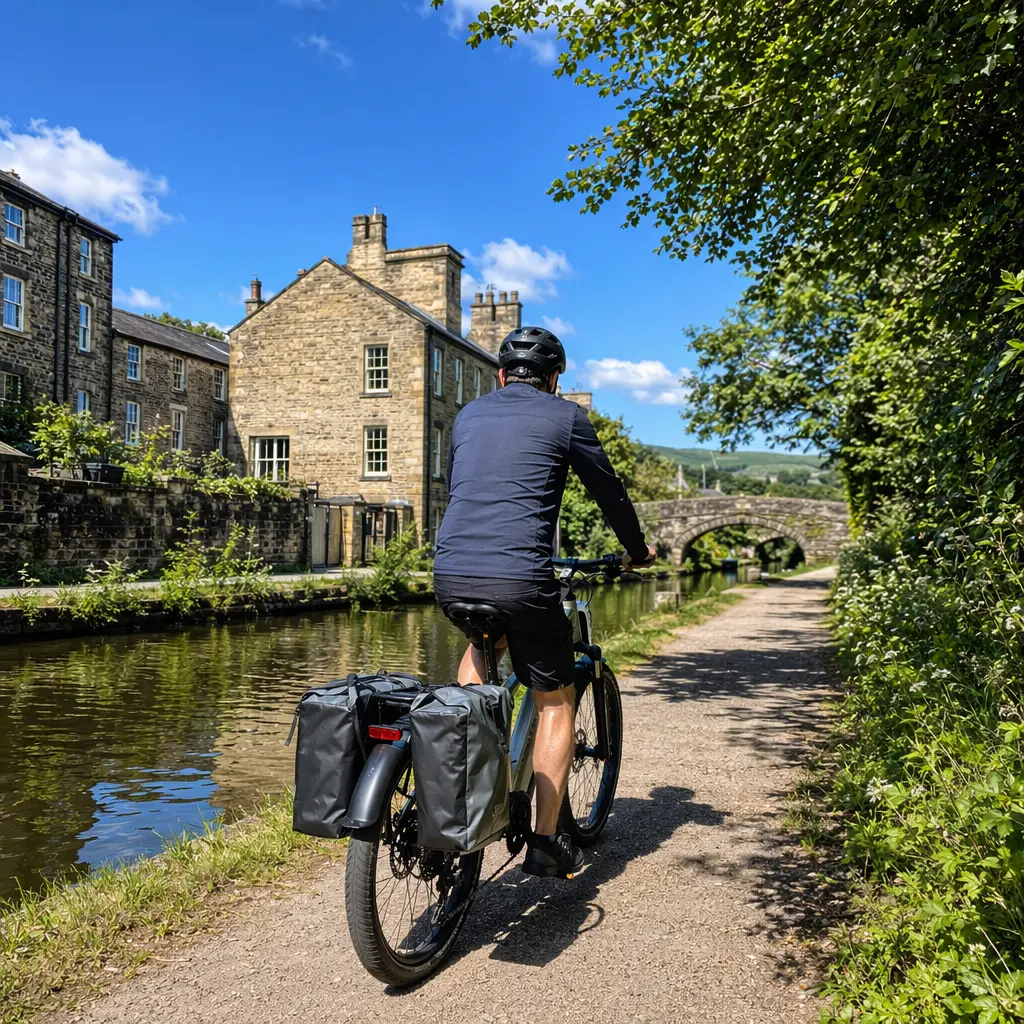
Electric bikes under £1,500 promise easy miles for commuting, leisure rides and gentle hills — but the quoted range can be misleading. One box might say 60 miles, another 25, yet both cost similar money. The difference usually comes down to battery size, motor type and how the bike is set up. This guide explains what range really means at this budget, and what most UK riders can realistically expect.
What to look for
Range is not a single number — it’s the result of several components working together. At under £1,500, understanding the basics helps you avoid disappointment and choose a bike that suits your riding.
- Battery capacity (Wh): Measured in watt‑hours. Around 300–400Wh is common at this price; more Wh usually means more range.
- Motor type: Hub motors (rear or front) are most common here. They’re simpler and cheaper than mid‑drive motors, but can use more power on hills.
- Assist levels: Eco, Normal and High modes make a big difference. Quoted ranges are almost always in Eco on flat ground.
- Bike weight and tyres: Heavier frames and wide, knobbly tyres reduce range compared with lighter bikes on smoother tyres.
- Riding position and fit: An upright commuter position is comfortable but catches more wind than a flatter, sporty stance.
- Included accessories: Mudguards, racks and lights add practicality, but also a little weight that chips away at mileage.
Budget and what you're getting
Between £1,000 and £1,500, most electric bikes use alloy frames, hub motors and mid‑sized batteries. You’re paying for assistance that makes everyday riding easier, not maximum range or premium components. Expect sensible gearing, basic suspension (or rigid forks), mechanical disc brakes or V‑brakes, and batteries designed for regular top‑ups rather than week‑long tours. The trade‑off is simple: decent help on commutes and leisure rides, but fewer miles per charge than higher‑end e‑bikes.

Standout categories or types
Within this price band, electric bikes tend to fall into a few clear categories. Each has its own impact on range and real‑world usefulness.
- Urban and commuter e‑bikes: Designed for roads and cycle paths. Narrower tyres and rigid forks help stretch the battery further.
- Hybrid e‑bikes with suspension forks: More comfortable on rough paths, but suspension adds weight and can slightly reduce range.
- Folding electric bikes: Compact and convenient, but smaller wheels and batteries usually mean shorter realistic mileage.
- Step‑through frames: Easier mounting for everyday use. Range is similar to step‑over frames if the battery size is the same.
Frequently asked questions
How far will an e‑bike under £1,500 really go?
For most UK riders, a realistic range is 20–40 miles per charge using mixed assist levels. Flat routes in Eco mode can go further, while hills, headwinds and high power settings reduce distance.
Do bigger batteries always mean better value?
Not always. A slightly smaller battery on a lighter bike with efficient tyres can deliver similar real‑world mileage. Bigger batteries add cost and weight, which may not suit short daily rides.
Are hub motors bad on hills?
They’re not bad, but they work harder than mid‑drive motors. Expect higher battery use on steep climbs, especially if you rely heavily on the highest assist mode.
Will cold UK weather affect range?
Yes. Batteries are less efficient in winter, so range can drop by 10–20%. Keeping the battery indoors before charging helps maintain performance.
When shopping for an electric bike under £1,500, treat range claims as best‑case scenarios. Think about your route, how often you can charge, and whether the bike’s setup matches your riding. A realistic view of range leads to a bike that feels helpful every day — not one that disappoints after the first week.
Find these on Amazon
As an Amazon Associate, CheapBikes earns from qualifying purchases.