Electric bikes under £1,000: range claims vs reality
A plain‑English guide to e‑bikes under £1,000, explaining battery sizes, UK motor limits and what range you can realistically expect on British roads.

Electric bikes under £1,000 are popular with commuters and leisure riders who want a helping hand without spending thousands. The big question is range. Box claims can sound impressive, but real‑world UK riding tells a more complicated story. This guide explains what those numbers mean, how battery size and motor limits affect distance, and what you can sensibly expect at this price point.
What to look for
When comparing budget e‑bikes, range is influenced by several linked components. Marketing often highlights just one figure, but it’s worth checking the basics in plain terms.
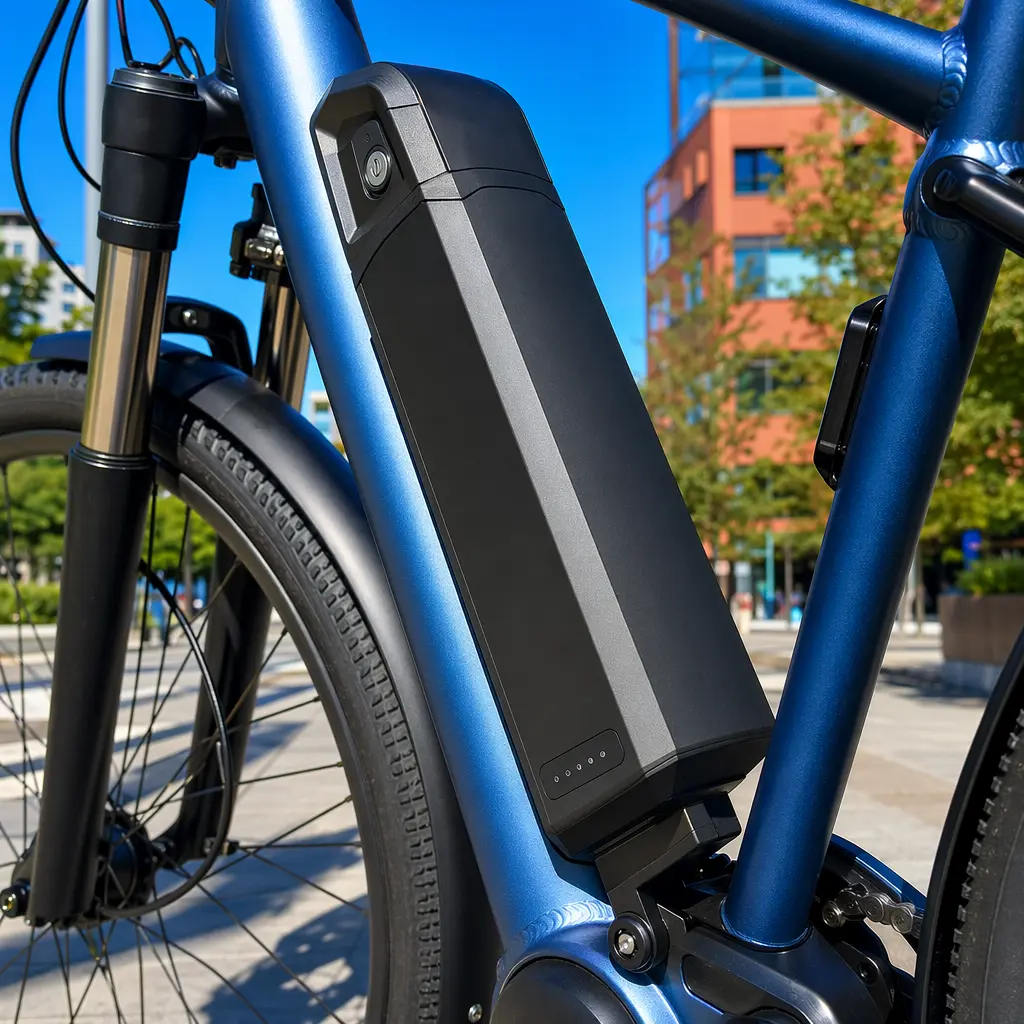
- Battery size (Wh): Measured in watt‑hours. Under £1,000, 300–400Wh is common. Bigger numbers usually mean more range.
- Motor limits: UK‑legal e‑bikes are limited to 250W continuous power and assistance up to 15.5mph. Extra speed claims beyond this don’t apply on public roads.
- Assist levels: More power assistance drains the battery faster. Quoted ranges often assume the lowest setting.
- Bike weight: Budget e‑bikes are heavier, often 22–26kg. Extra weight reduces range, especially on hills.
- Gearing: Wider gear ranges help you pedal efficiently and save battery on climbs.
- Included accessories: Lights, mudguards and racks are useful but add weight and slightly affect range.
Budget and what you're getting
Under £1,000, compromises are unavoidable. Frames are usually aluminium with basic finishing, batteries are smaller than premium models, and components are chosen for cost rather than lightness. That doesn’t make them bad bikes, but it does mean real‑world ranges are often shorter than headline figures. A claim of 40–60 miles might translate to 20–35 miles for many UK riders, especially with hills, stop‑start traffic and higher assist levels.

Standout categories or types
Most e‑bikes under £1,000 fall into a few broad categories. Knowing which suits your riding can help you judge whether the range claims are realistic for you.
- Urban or commuter e‑bikes: Upright position, narrower tyres and smoother roads usually mean better real‑world range.
- Hybrid or leisure e‑bikes: A mix of paths and light trails can reduce range compared with city use, especially with wider tyres.
- Front‑hub vs rear‑hub motors: Both are common at this price. Rear‑hub motors often feel more natural on hills but don’t magically extend range.
- Rigid vs front suspension: Suspension adds comfort but also weight. Rigid forks are often more efficient for commuting.
Frequently asked questions
Why does my range fall short of the advertised figure?
Manufacturers usually test on flat routes, with a light rider, low assist and steady speeds. UK riding involves hills, junctions, wind and heavier loads, all of which use more battery.
How far can I realistically expect to ride?
For many riders, 20–35 miles per charge is a sensible expectation on a sub‑£1,000 e‑bike. Lighter riders on flatter routes may see more, while hilly commutes will see less.
Do bigger tyres reduce range?
Yes. Wider or knobbly tyres increase rolling resistance. They improve comfort and grip but can noticeably shorten range compared with slick road tyres.
Can I buy a spare battery later?
Sometimes, but spare batteries can be expensive and may cost a large chunk of the bike’s original price. It’s worth factoring this in before buying.
Electric bikes under £1,000 can be good value if expectations are realistic. Focus on battery size, accept the trade‑offs, and judge range claims as best‑case scenarios rather than promises. For many UK riders, they still offer a practical and affordable way to make cycling easier.
Find these on Amazon
As an Amazon Associate, CheapBikes earns from qualifying purchases.