Best electric bikes over £2,000: who should pay more?
A clear buyer’s guide to £2,000+ electric bikes. Learn which riders benefit from premium motors, bigger batteries and lighter frames—and when cheaper e‑bikes make more sense.
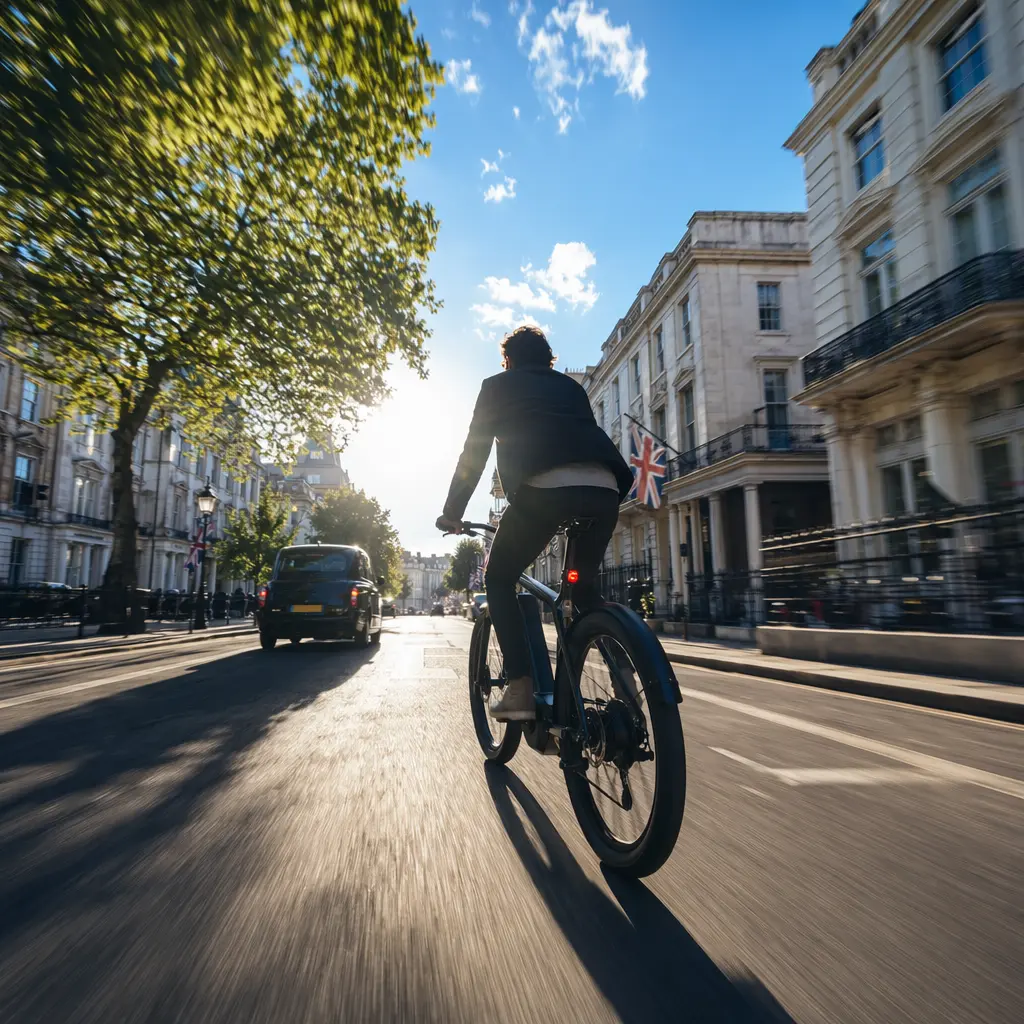
Electric bikes now span a huge price range, and once you pass £2,000 the choices can feel overwhelming. This guide explains who actually benefits from spending more—on motors, batteries and frames—and who can safely save their cash with a cheaper e‑bike that still does the job.
What to look for
Above £2,000, the differences between e‑bikes are less about basic functionality and more about refinement. These are the areas that most affect ride quality, reliability and long‑term value.
- Motor type and placement: Mid‑drive motors give better hill climbing and a more natural feel than rear‑hub motors, especially with loads or steep gradients.
- Battery capacity and quality: Larger batteries extend range, but premium cells also hold charge better over time and cope with winter use.
- Frame material: Aluminium is common; pricier bikes may use higher‑grade alloy or carbon to reduce weight and sharpen handling.
- Brake type: Hydraulic disc brakes offer stronger, more consistent stopping power, particularly in wet UK conditions.
- Geometry and ride position: More expensive bikes often balance comfort and efficiency better for longer rides.
- Fit and sizing options: Premium ranges usually offer more frame sizes, improving comfort and control.
- Weight and finish: Lighter bikes are easier to lift and manoeuvre, with tidier cable routing and better corrosion protection.
- Included accessories: Integrated lights, mudguards, rear racks and kickstands add value if you’ll use the bike daily.
Budget and what you're getting
Spending over £2,000 doesn’t mean an e‑bike is twice as good as a £1,000 option—but it usually is more polished. You’re paying for smoother power delivery, quieter operation, longer component life and lower overall weight. The trade‑off is that the gains are incremental: a commuter on flat routes may not notice much difference day to day, while a heavier rider or someone tackling long, hilly rides will.
Standout categories or types
At this price level, e‑bikes tend to fall into a few clear camps. Knowing which one matches your riding helps avoid overpaying for features you won’t use.
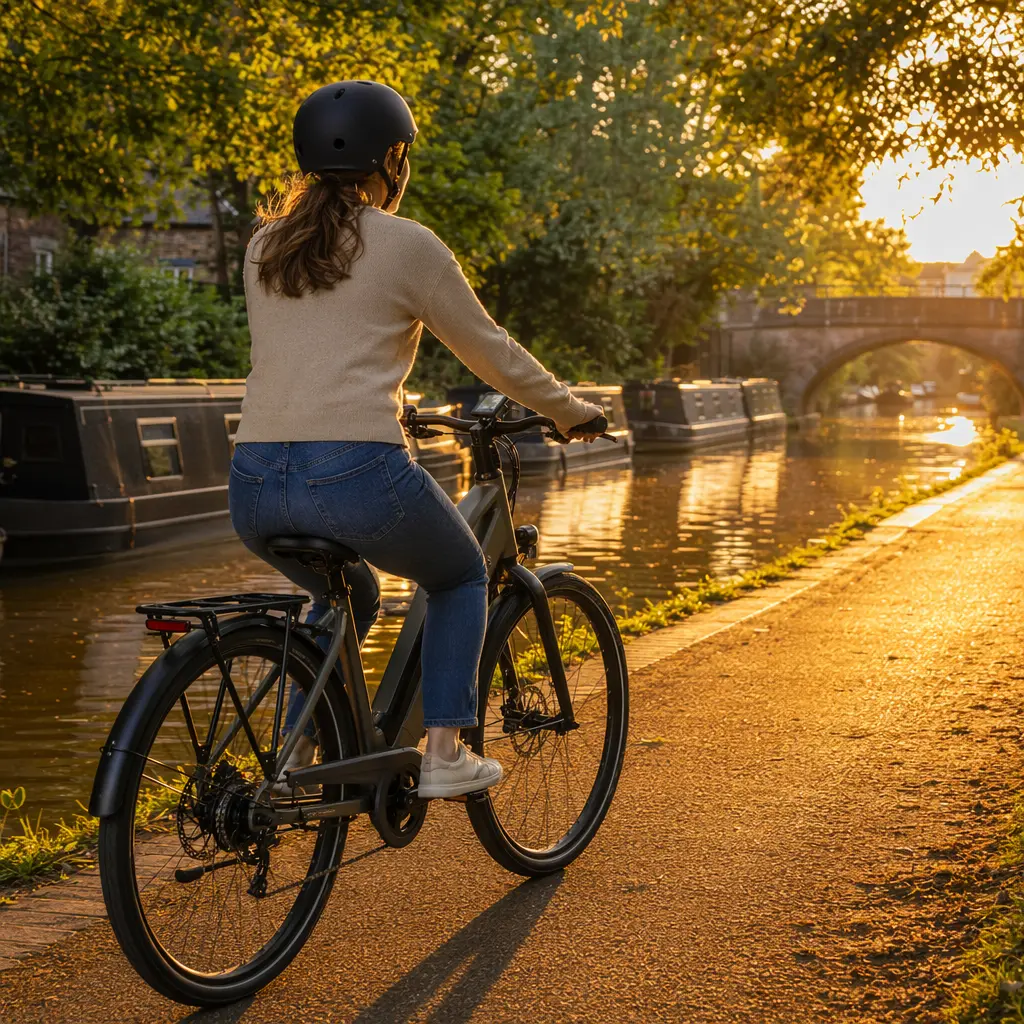
- Premium commuters: Designed for daily use with integrated lights, mudguards and racks. Best for year‑round riders who value reliability and low maintenance.
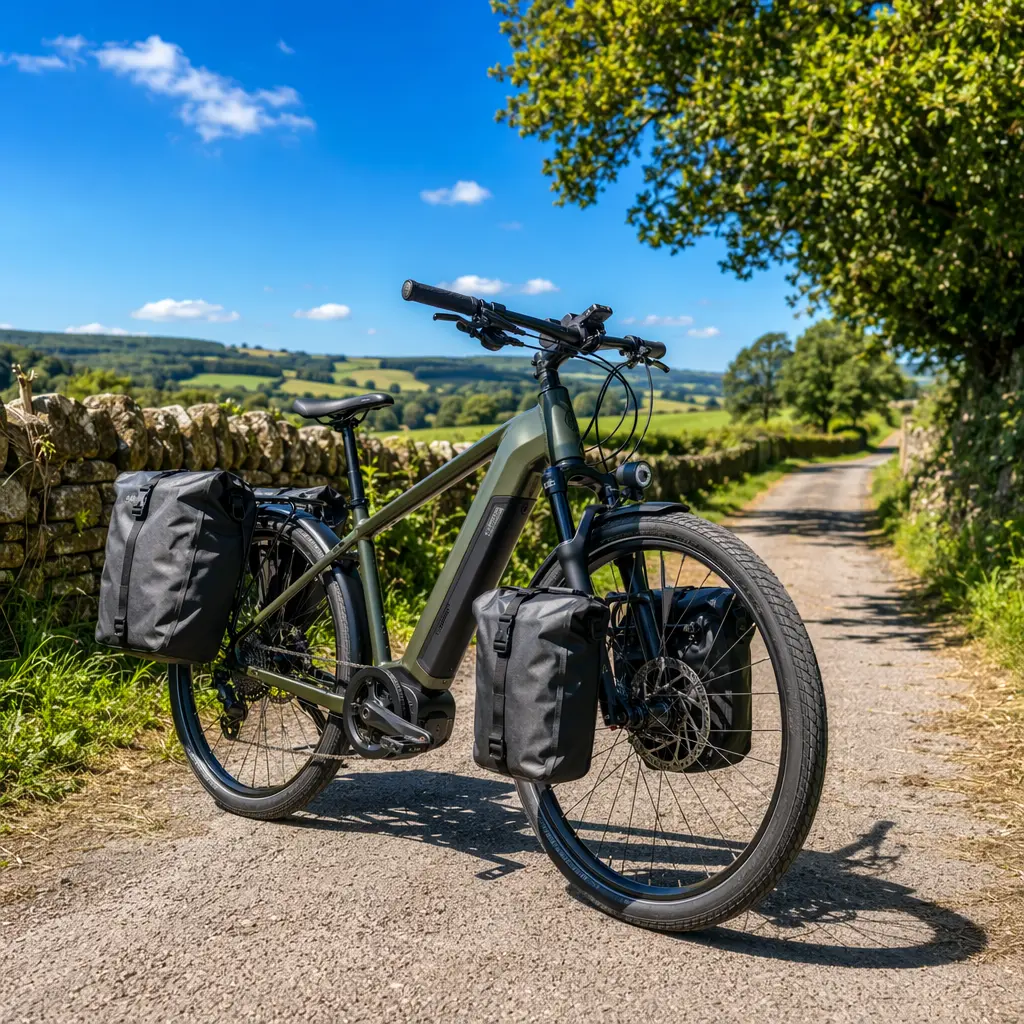
- E‑touring and trekking bikes: Longer range, stable handling and load‑carrying ability. Worth the extra spend for leisure riders doing long days or multi‑day trips.
- E‑mountain bikes (hardtail): Higher prices fund powerful motors and robust frames. Overkill for roads and towpaths, but essential for real off‑road use.
- Lightweight urban e‑bikes: Focus on reduced weight and clean design. Ideal if you need to carry the bike upstairs or lift it onto trains.
Frequently asked questions
Who should definitely spend over £2,000?
Riders facing steep hills, longer distances or frequent use benefit most. Heavier riders and those carrying children or cargo also gain from stronger motors and better brakes.
Is a bigger battery always better?
Not necessarily. A very large battery adds cost and weight. For short commutes, battery quality and efficiency matter more than headline capacity.
Do premium e‑bikes cost less to maintain?
They can. Higher‑quality drivetrains and brakes often last longer and perform better in poor weather, though replacement parts may cost slightly more.
Are cheaper e‑bikes less safe?
Not inherently. Many budget e‑bikes meet safety standards, but braking performance, wet‑weather control and durability often improve as you spend more.
Paying over £2,000 for an electric bike makes sense when the bike is a tool you rely on—day in, day out, or for demanding rides. If your use is occasional and your routes are gentle, a cheaper option may suit you just as well.
Find these on Amazon
As an Amazon Associate, CheapBikes earns from qualifying purchases.