Best Electric Bikes Under £1,500 for Everyday Commuting
A realistic buyer’s guide to electric bikes under £1,500 for UK commuting. Covers real-world range, motor types, running costs and what to expect at this budget.

Electric bikes under £1,500 are popular with UK commuters who want help on hills and headwinds without spending car money. At this price, the challenge is balancing range, motor performance and long‑term running costs. This guide explains what you can realistically expect, and how to choose a practical e‑bike for everyday rides to work, the shops or the station.
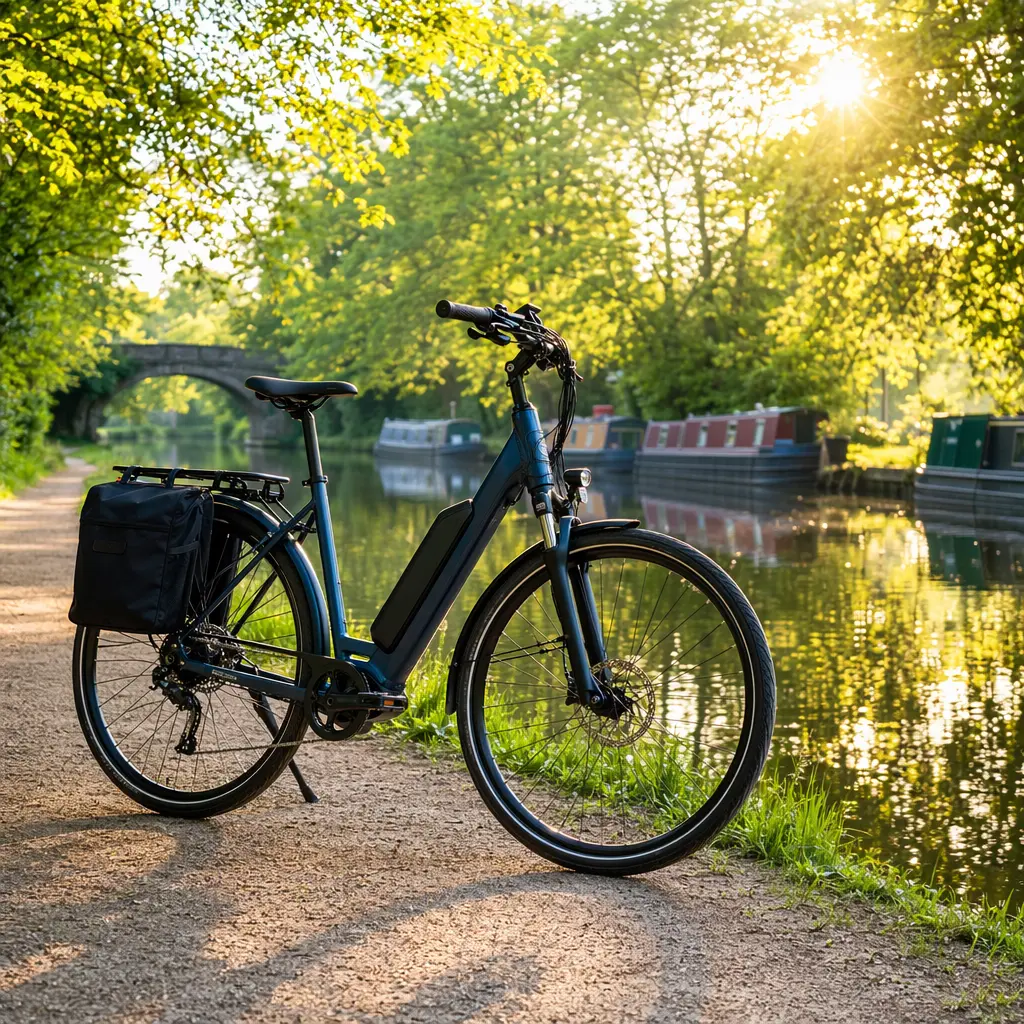
What to look for
Sub‑£1,500 e‑bikes make sensible choices for short to medium commutes, but the details matter. Focus on parts that affect comfort, reliability and ease of ownership rather than headline motor power alone.
- Motor type: Hub motors (front or rear) are most common at this price. They’re simple and affordable, though less natural‑feeling than mid‑drive systems.
- Battery size and placement: Expect roughly 300–500Wh. Frame‑mounted batteries handle better than rear‑rack units and are easier to lock and remove for charging.
- Realistic range: Marketing figures can be optimistic. In mixed UK conditions, 25–45 miles per charge is more realistic depending on assist level, rider weight and hills.
- Frame material: Aluminium dominates for low weight and rust resistance. Steel is rarer but can feel more comfortable on rough roads.
- Brakes: Mechanical disc brakes are common and fine for commuting. Hydraulic discs are better but less usual under £1,500.
- Geometry and fit: Upright riding positions suit traffic and visibility. Check reach and standover height carefully.
- Included accessories: Mudguards, lights and a rear pannier rack save money and hassle if you’ll commute year‑round.
Budget and what you're getting
At under £1,500, you’re paying for dependable assistance rather than premium refinement. Motors will be quieter than older designs but not silent. Batteries are usually smaller, so charging every few days is normal for daily riders. Components like gears and brakes are functional rather than fancy, but replacement parts are widely available and affordable. The upside is value: running costs are low, insurance is optional rather than essential, and maintenance is similar to a standard hybrid bike.
Standout categories or types
Most electric bikes under £1,500 fall into a few clear categories. Knowing which suits your commute helps narrow the field quickly.
- Electric hybrid bikes: The most common choice. Efficient on tarmac, comfortable for longer rides and usually supplied with commuter accessories.
- Folding electric bikes: Useful for trains or limited storage. Expect smaller wheels and shorter range, but good portability.
- Front‑suspension e‑bikes: Occasionally seen at this price. The suspension adds comfort on potholes but also weight; rigid forks are often lighter and simpler for road use.
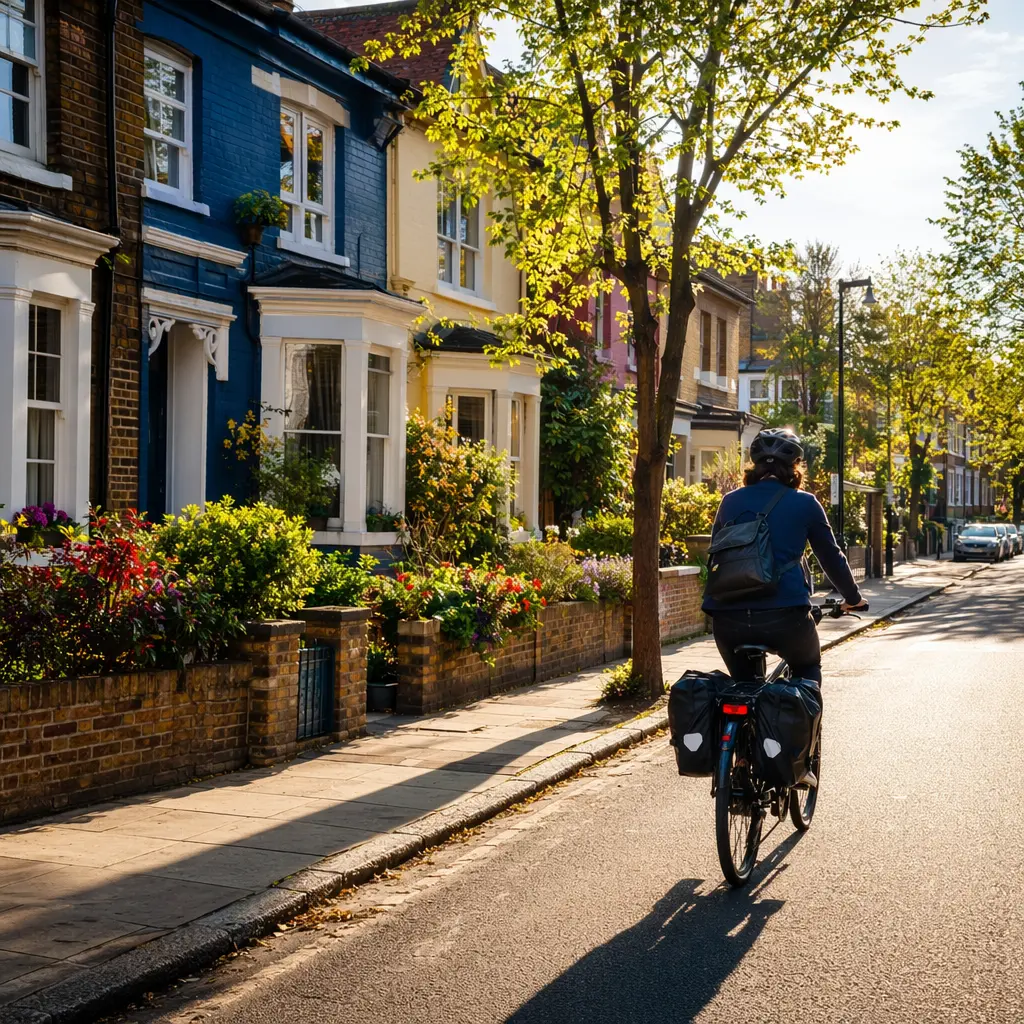
- Step‑through frames: Easier mounting in everyday clothes. Popular with urban riders and those carrying panniers.
Frequently asked questions
How far will an electric bike under £1,500 really go?
In real‑world UK commuting, expect around 25–45 miles per charge. Flat routes at low assist stretch this further, while hills, heavy loads and cold weather reduce range.
Are hub motors good enough for hills?
Yes, for typical urban gradients. Rear hub motors cope better with hills than front hubs, but both are suitable for commuting rather than off‑road riding.
What are the ongoing running costs?
Electricity costs are minimal, often pennies per charge. Budget for brake pads, tyres and an eventual battery replacement after several years of regular use.
Do I need insurance or a licence?
Legal UK e‑bikes (pedal assist up to 15.5mph) don’t require insurance, tax or a licence, though insurance can be worthwhile for theft cover.
An electric bike under £1,500 can be a sensible, cost‑effective commuting tool if expectations are realistic. Focus on fit, usable range and everyday practicality, and you’ll get reliable assistance that makes daily riding easier without stretching your budget.
Find these on Amazon
As an Amazon Associate, CheapBikes earns from qualifying purchases.