Best bike locks under £100 in 2026: how much security is enough?
A clear-eyed guide to bike locks under £100, weighing real theft resistance against weight and daily hassle. Learn what you actually get at this price, what to avoid, and how to choose the right lock for UK riding.
Bike theft is a fact of life for UK cyclists, but spending more doesn’t always mean getting proportionally more protection. With a £100 budget, the real question is how much security is enough for everyday riding — and how much weight and hassle you’re willing to live with. This guide looks at what sub-£100 locks genuinely offer in 2026, and where the compromises sit.
What you actually get at this price
Under £100 is the sweet spot for most cyclists. It’s where serious security begins, but without the eye-watering prices or extreme weights of top-tier locks. At this level, you’re choosing between proven designs rather than novelty deterrents.
Expect solid materials and respectable certifications, but not the absolute maximum resistance to power tools. These locks are designed to stop opportunistic thieves quickly and slow down more determined ones — often enough in real-world urban settings.
- Lock types: quality D-locks, heavy-duty chains with fabric sleeves, and reinforced folding locks
- Materials: hardened steel shackles or links, usually 12–16mm thick
- Weight: typically 1.2–2.5kg depending on design
- Security ratings: Sold Secure Silver or Gold on many options
- Mounting: frame brackets included on most D-locks and folding locks
How to choose
Start with where and how long you leave your bike. Short daytime stops in busy areas need a different approach to overnight locking near a station or flat. No lock under £100 is invincible, so matching security to risk matters more than buying the heaviest option available.
Think about daily practicality. A lock that’s so heavy it stays at home is worse than a slightly less secure one you actually use. D-locks offer the best strength-to-weight ratio, chains add flexibility for awkward street furniture, and folding locks trade a little resistance for portability.
What to look out for
- Very light locks claiming high security — weight usually tells the truth
- Thin shackles or links under 12mm on ‘budget’ versions
- Poor-quality mounting brackets that rattle or snap
- Excessively long chains that add weight without real benefit
- Cable-only locks sold as ‘primary’ security
Worth spending more on
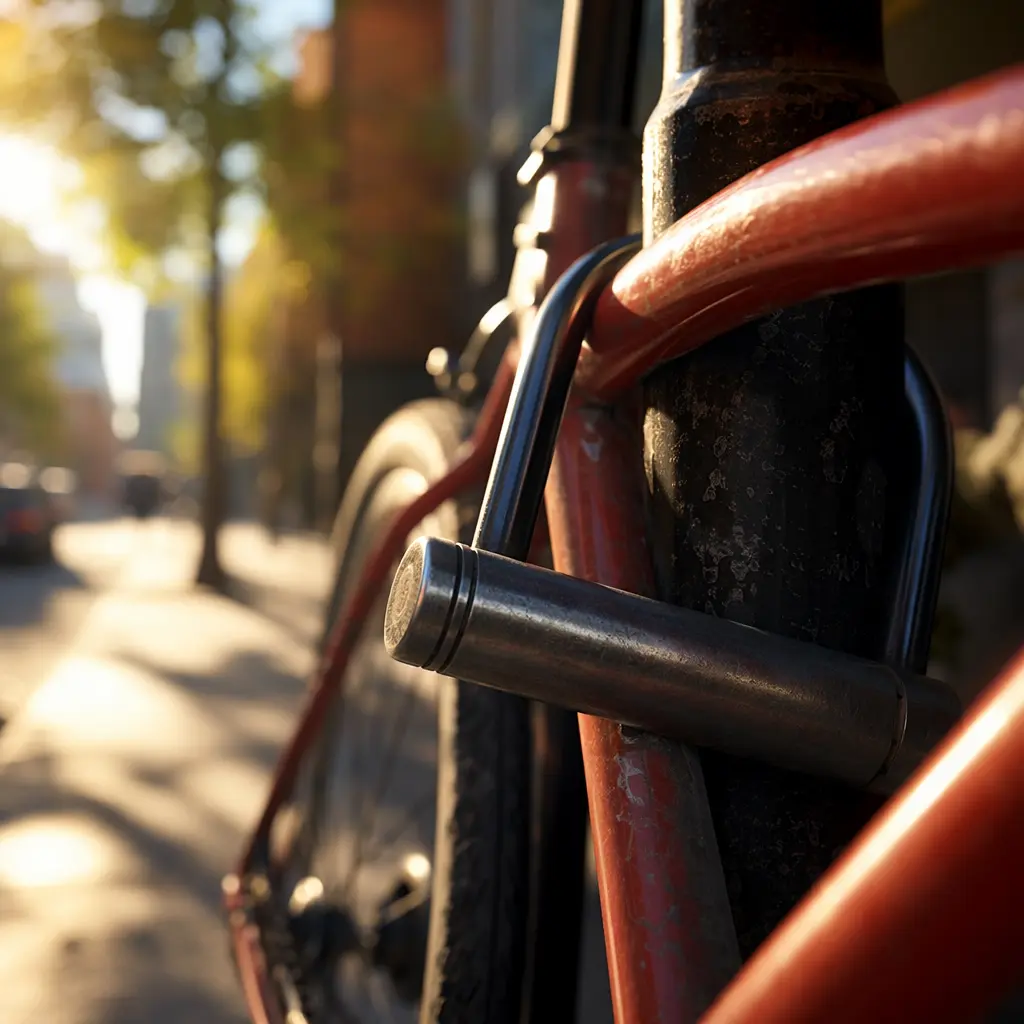
If you can stretch the budget slightly, the biggest gains come from thicker steel and better locking mechanisms. Moving from a basic Gold-rated lock to a heavier-duty version can add crucial minutes against angle grinders — often the difference between a bike being stolen or left behind.
Beyond the lock itself, small extras punch above their weight. A secondary lightweight cable for wheels, a better mounting bracket, or a weather-resistant key cover all improve day-to-day usability without much extra cost.
Frequently asked questions
Is a D-lock always better than a chain?
Not always. D-locks are usually stronger for the weight, but chains are more flexible around wide posts or railings. In awkward locking spots, a good chain can be the safer option.
Are Sold Secure ratings reliable?
They’re a useful baseline. Silver is fine for low-risk areas and short stops, while Gold is the sensible minimum for urban commuting. Ratings don’t account for technique, though — how you lock matters just as much.
Should I use two locks?
Yes, if the risk is high. Two different lock types slow thieves down and force them to carry more tools. A D-lock plus a cable or small chain is a common, affordable pairing.
Can any lock stop an angle grinder?
At this price, no lock is angle-grinder-proof. The goal is delay and deterrence. Thicker steel and tight locking techniques increase the chance a thief moves on.
For most UK riders, a well-chosen lock under £100 offers a sensible balance of security, weight and cost. Pick the strongest option you’ll actually carry, use it properly, and you’ll dramatically reduce the odds of theft.
Find these on Amazon
As an Amazon Associate, CheapBikes earns from qualifying purchases.