Hybrid bikes under £500: gearing and brakes explained
A clear, buyer-focused guide to choosing a capable hybrid bike for £300–£500. Learn which gearing and brakes matter, where to save money, and how to avoid overpaying for features you won’t use.
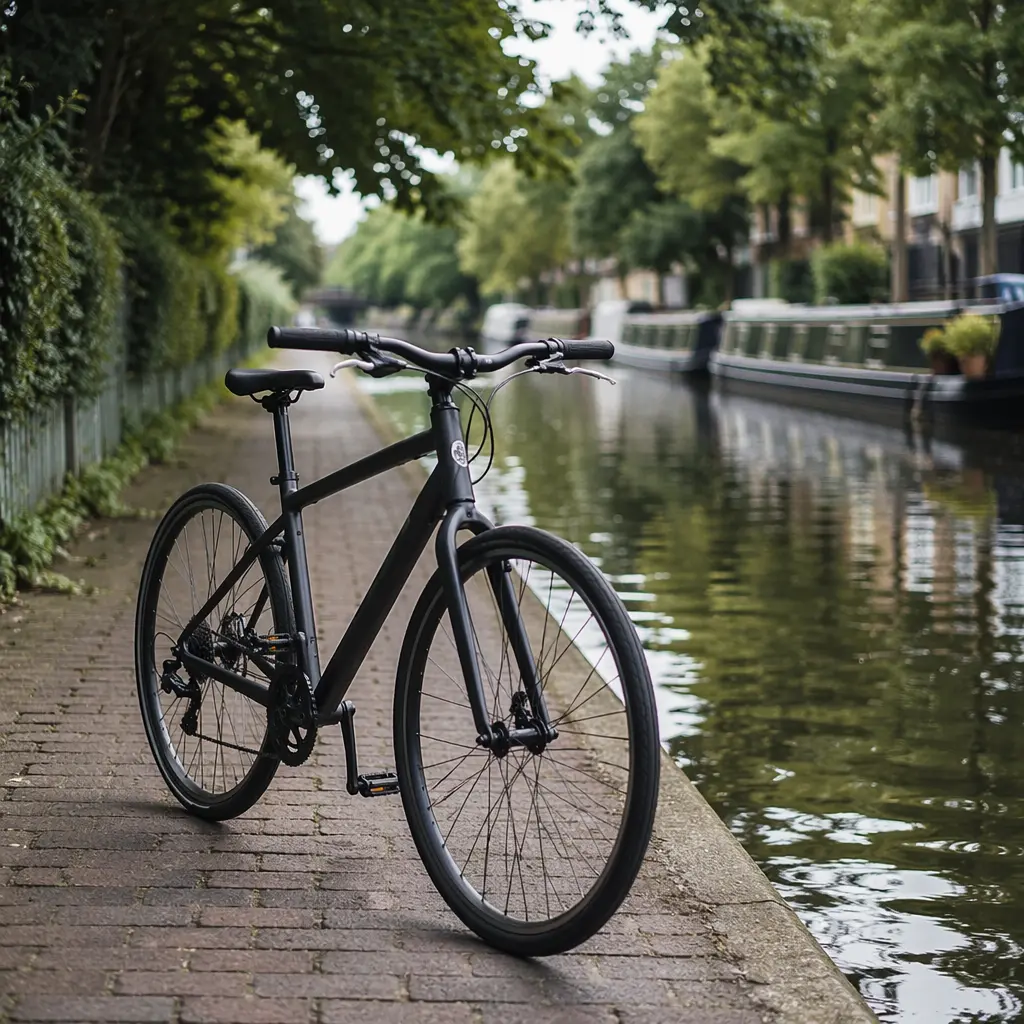
Hybrid bikes under £500 are popular because they promise one bike that can handle commuting, leisure rides and light gravel without the cost or complexity of specialist machines. The challenge is knowing which features genuinely improve day-to-day riding and which simply add cost. Gearing and brakes are the two areas that most affect how a budget hybrid feels on the road, so getting these right matters more than flashy extras.
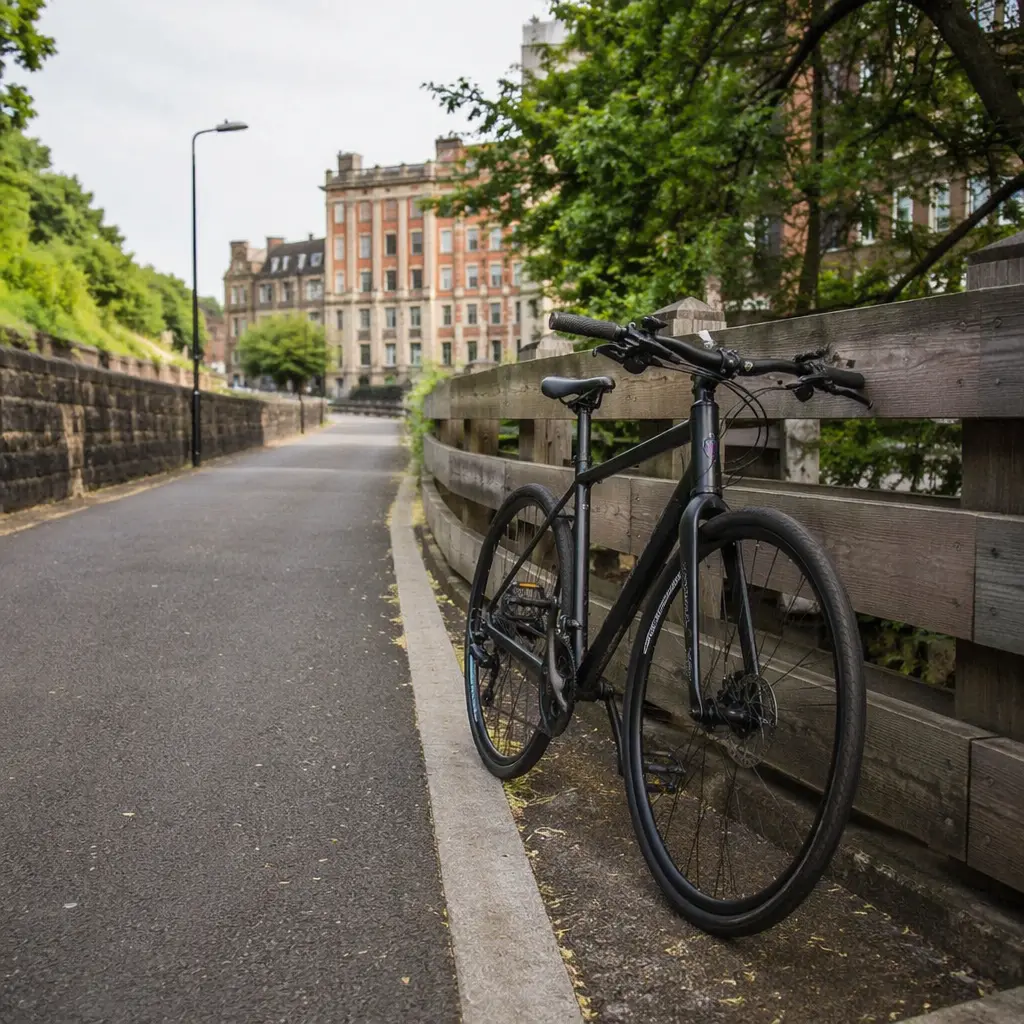
What to look for
At £300–£500, most hybrids share similar foundations. The differences that matter are in the details, especially how easy the bike is to pedal on hills, how confidently it stops in wet weather, and how well it fits your body and riding style.
- Gearing: Look for a wide gear range rather than a high number of gears. A low climbing gear is more useful than extra top-end speed for UK hills and stop-start riding.
- Frame material: Aluminium frames dominate this price band. They’re light, rust-resistant and good value. Steel is rarer but can offer a smoother ride at the cost of weight.
- Brake type: Mechanical disc brakes or rim brakes are common. Hydraulic discs are rare under £500 and not essential for most riders.
- Geometry: Hybrids should feel upright and stable, not stretched like a road bike. This improves comfort and control in traffic.
- Fit and sizing: Correct frame size matters more than any component upgrade. Most brands offer 3–4 sizes to cover typical rider heights.
- Weight: Expect around 12–14kg without accessories. Lighter bikes exist but often sacrifice durability.
- Included accessories: Mudguard and rack mounts are valuable, even if guards and panniers aren’t included.
Budget and what you're getting
Between £300 and £500, you’re paying for reliability rather than refinement. Shifting may feel slightly less crisp than on pricier bikes, and brakes may need firmer lever pressure. Frames are usually well-made, but finishing kit like saddles and tyres are basic. This isn’t a bad thing: these are wear items you can upgrade later if needed. What you should expect is a bike that works consistently, copes with poor weather and doesn’t demand constant adjustment.
Standout categories or types
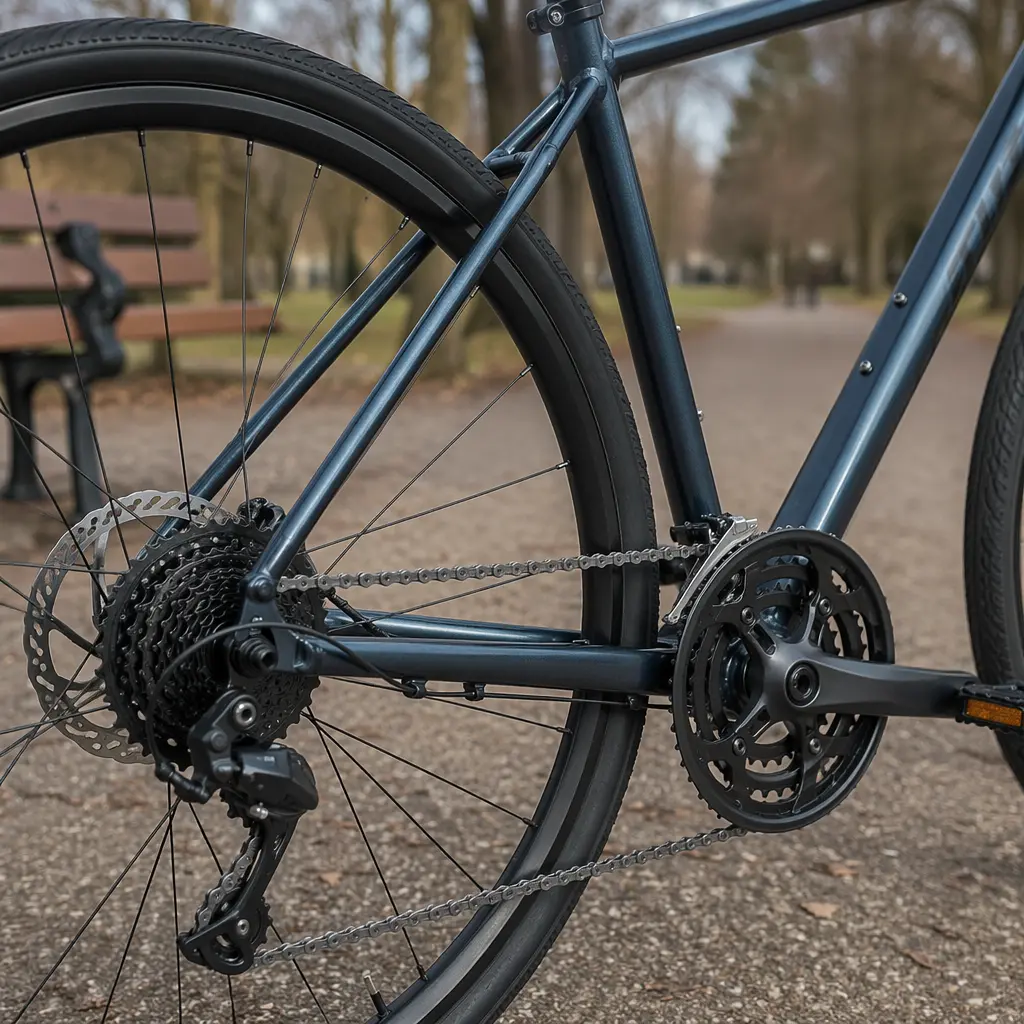
Most sub-£500 hybrids fall into two broad camps when it comes to gearing and braking choices. Understanding these can help you avoid paying extra for features that don’t suit your riding.
- Wide-range derailleur gearing: Typically 2x8 or 3x7 setups. These offer plenty of low gears for hills and are cheap to maintain. Ideal for mixed urban and leisure use.
- Simplified 1x gearing: Less common at this price but appealing for ease of use. Fewer gears mean fewer duplicates, but you may lose some range at the extremes.
- Rim brakes: Still common and perfectly adequate for dry commuting and leisure rides. They’re lighter and cheaper to service but less effective in the wet.
- Mechanical disc brakes: Increasingly popular. They offer better wet-weather stopping and consistent performance, though they can feel less powerful than hydraulics.
Frequently asked questions
Do I need disc brakes on a hybrid?
Not necessarily. Rim brakes are fine for many riders, especially in flatter areas and fair weather. Disc brakes are a worthwhile upgrade if you ride year-round, in the rain, or carry loads on a rack.
How many gears are enough?
Focus on gear range, not the number. A setup with a low climbing gear will make hills and headwinds easier, even if the total gear count looks modest.
Is front suspension worth having?
On budget hybrids, front suspension adds weight and cost but offers limited benefit on roads and paths. Most riders are better off with a rigid fork and wider tyres.
Can these bikes handle light gravel?
Yes, as long as there’s clearance for slightly wider tyres. They’re best suited to compacted paths and towpaths rather than rough off-road trails.
A hybrid under £500 can be a sensible, long-term purchase if you focus on the fundamentals. Prioritise gearing that suits your terrain, brakes that match your riding conditions, and a frame that fits properly. Ignore unnecessary extras and you’ll end up with a versatile bike that does its job without straining your budget.
Find these on Amazon
As an Amazon Associate, CheapBikes earns from qualifying purchases.