Are Internal Gear Hubs Worth It on Commuter Bikes?
A clear, UK-focused guide to internal gear hubs for commuting. Learn the pros, cons, costs and who they suit best compared with derailleur gears.

For daily commuting, gears need to be reliable, easy to live with and unfussy in all weathers. Internal gear hubs (IGHs) are often pitched as the low‑maintenance alternative to derailleur gears, but they usually cost more and feel different on the road. If you’re choosing a commuter bike in the UK, here’s how internal hubs stack up, what you gain, and where the compromises lie.
What to look for
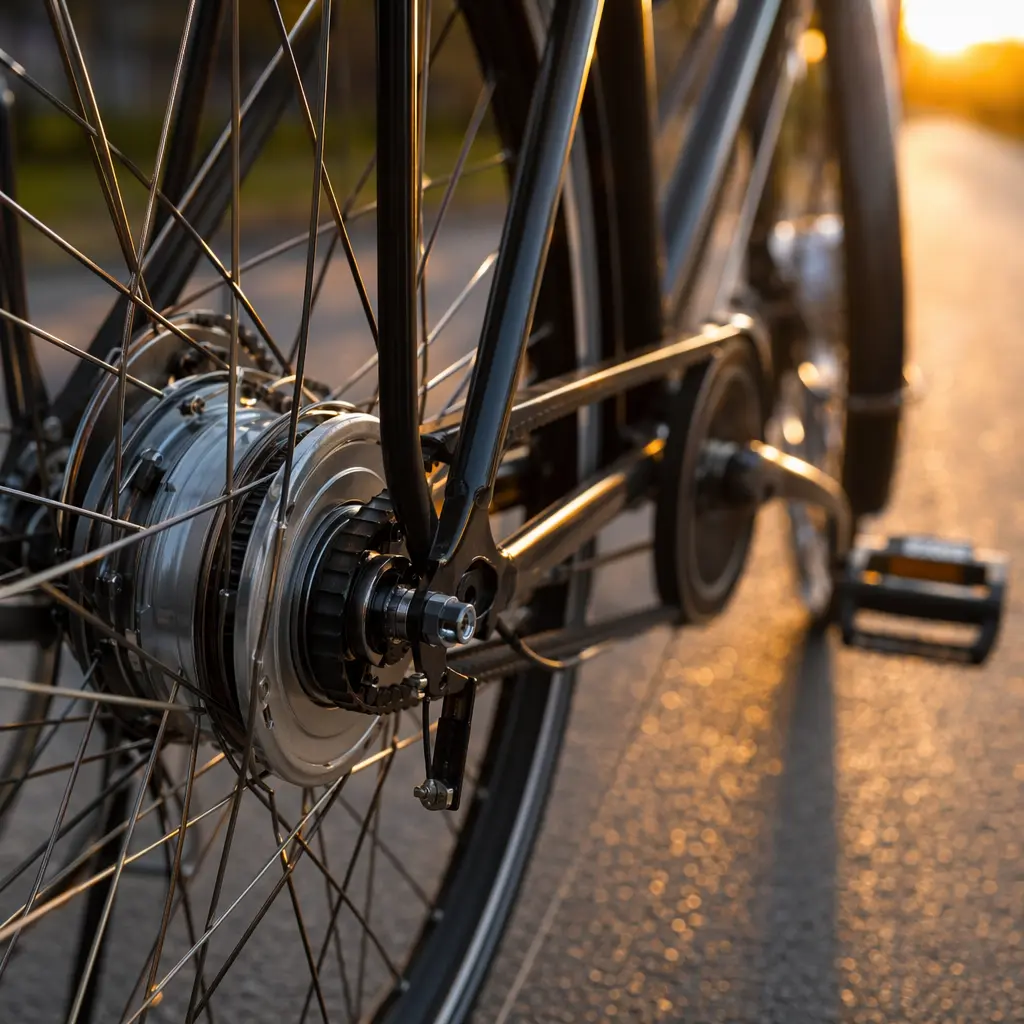
Internal gear hubs replace the exposed cassette and derailleur with a sealed mechanism inside the rear hub. When comparing them with derailleur-equipped commuter bikes, focus on these practical points:
- Number of gears and range: Common hubs offer 3, 7 or 8 gears. Fewer gears usually mean a narrower range than a typical derailleur setup.
- Maintenance needs: Sealed hubs keep dirt and road salt out, reducing day-to-day cleaning and adjustment.
- Shifting style: You can change gear while stationary, which is useful at traffic lights.
- Weight: Internal hubs are heavier at the rear wheel, which can affect how the bike feels when accelerating.
- Drivetrain type: Many hub-gear bikes use a chaincase or belt drive for even lower maintenance.
- Brake compatibility: Hubs work with rim brakes, roller brakes or disc brakes depending on the bike.
- Wheel removal: Fixing a puncture can be slower, as the gear cable must be disconnected.
Budget and what you're getting
In the UK market, internal gear hubs usually appear on commuter and city bikes from the mid-price range upwards. Compared with similarly priced derailleur bikes, you’re paying for durability and convenience rather than performance. Expect fewer gears, a heavier bike and less emphasis on sporty riding. In return, you get a drivetrain that copes better with year‑round rain, grit and winter road salt, often with longer service intervals.

Standout categories or types
Not all internal gear hubs suit the same type of commute. Understanding the common categories helps narrow your choice.
- 3-speed hubs: Simple, robust and ideal for flat cities or short commutes. Limited range but very easy to live with.
- 7–8 speed hubs: A good middle ground for mixed terrain, offering smoother steps between gears without much extra complexity.
- Hub gears with belt drive: Near-silent, clean and long-lasting, but replacement parts cost more.
- Hub gears with derailleur-like range: Rare at commuter prices and usually found on premium bikes.
Frequently asked questions
Are internal gear hubs really lower maintenance?
Yes, for most commuters. With the moving parts sealed inside the hub, there’s less cleaning and fewer adjustments. Cables still need occasional attention, but overall upkeep is simpler than a derailleur system.
Do hub gears make cycling harder?
They can feel slightly less efficient, especially under hard pedalling, due to internal friction. For steady commuting at moderate speeds, most riders don’t notice this day to day.
Are they suitable for hilly routes?
It depends on the hub. Basic 3-speed hubs may struggle on steep or long climbs. Wider-range hubs cope better, but a derailleur bike still offers more flexibility for very hilly commutes.
What about repairs and servicing?
Routine servicing is infrequent, but if something does go wrong internally, repairs are more specialist than with derailleurs. Most UK bike shops can handle common hubs, but turnaround can be longer.
Who benefits most from internal gear hubs?
Year‑round commuters, riders who leave bikes outside, and anyone prioritising reliability over sporty performance tend to get the most value from hub gears.
Internal gear hubs aren’t for everyone, but for many UK commuters they make daily cycling simpler and cleaner. If your priority is low maintenance, predictable shifting and all‑weather reliability, they’re well worth considering. If you want the widest gear range for the lowest cost, a derailleur setup still has the edge.
Find these on Amazon
As an Amazon Associate, CheapBikes earns from qualifying purchases.