Hardtail mountain bikes £500–£1,000: trail value guide
A plain‑English guide to choosing a hardtail MTB between £500 and £1,000. What suspension, geometry and components matter on UK trails, plus honest trade‑offs and buying tips.
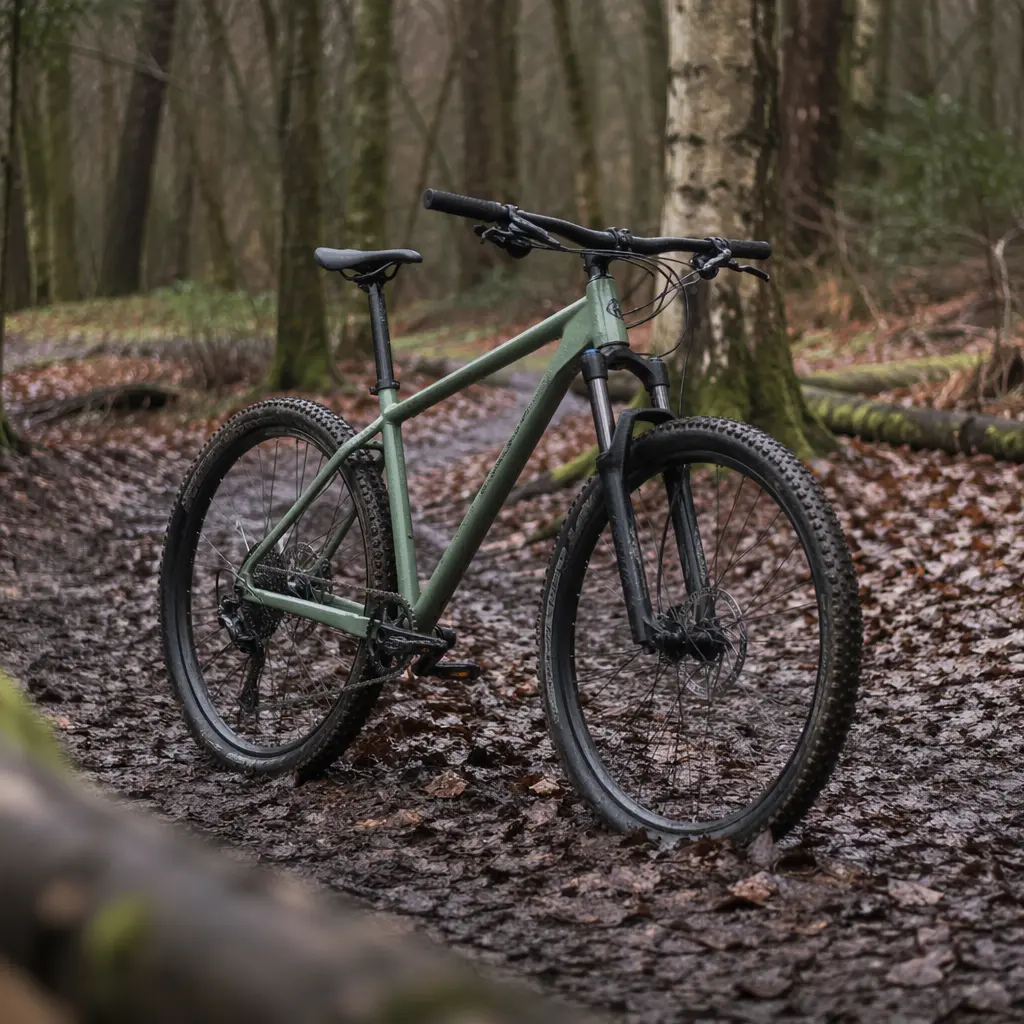
If you want a capable mountain bike without paying full‑suspension money, a hardtail in the £500–£1,000 range is where value peaks. This budget covers bikes tough enough for UK trail centres and local woods, yet simple to own and maintain. The challenge is knowing which features actually improve ride quality, and which are just marketing.
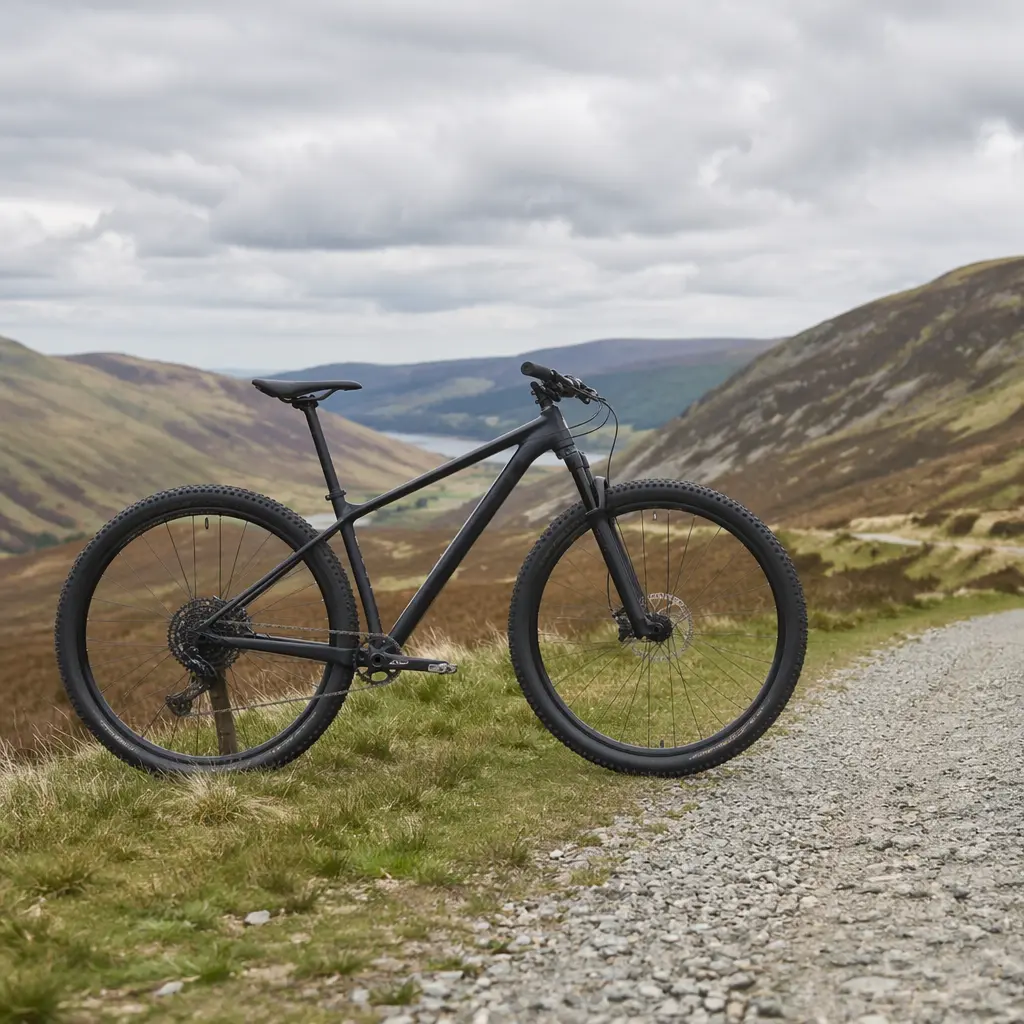
What to look for
Within this price band, smart choices make a noticeable difference on the trail. Focus on parts that affect control, comfort and durability rather than headline specs.
- Suspension fork: Look for an air fork with around 100–120mm travel. Air springs are lighter and easier to set for rider weight than basic coil forks.
- Frame material: Aluminium dominates and is a sensible choice. It keeps weight down and price sensible. Steel exists at the edges of the budget and offers comfort, but can be heavier.
- Brakes: Hydraulic disc brakes are now standard and worth insisting on. They give better control in wet UK conditions than mechanical discs.
- Gearing: A wide‑range 1x drivetrain (single front chainring) is common and simpler to use. Expect a wide cassette for steep climbs, even if shifts aren’t race‑sharp.
- Geometry: Modern trail geometry means a slacker head angle and longer reach for stability on descents. Avoid very steep, old‑school designs.
- Fit and sizing: Check reach and standover as well as seat tube size. A bike that fits properly will ride better than one with fancier parts.
- Weight and extras: Don’t obsess over claimed weight. Prioritise reliable wheels and tyres. Mudguard mounts and dropper‑post routing are useful bonuses.
Budget and what you're getting
At £500–£1,000, you’re buying a bike designed to handle real trails, but there are limits. Suspension forks will be functional rather than plush, wheels may be heavier, and finishing kit basic. That said, frames are usually the same quality as pricier models, and many components can be upgraded later. Expect dependable performance rather than race‑day refinement.
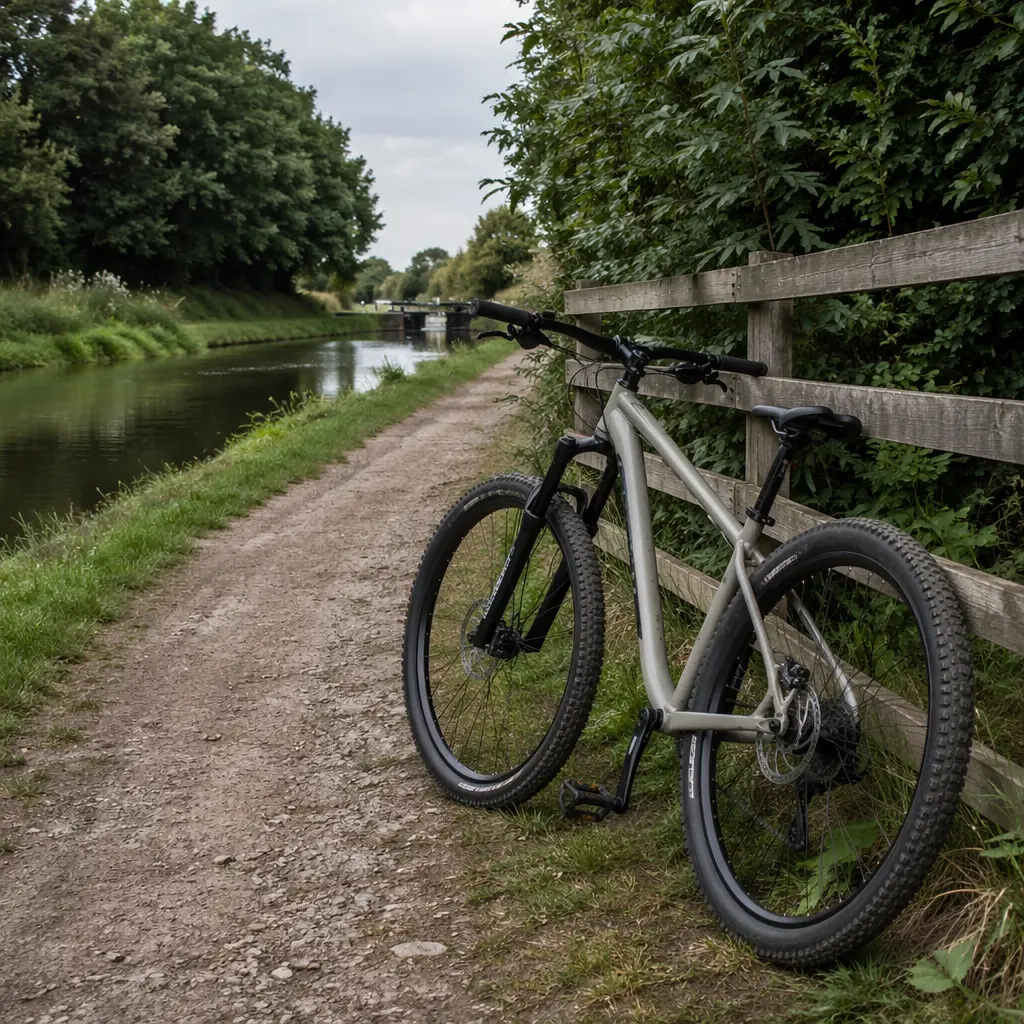
Standout categories or types
Even within the hardtail category, there are different flavours aimed at different riding styles. Knowing where you ride most helps narrow the field.
- Trail‑focused hardtails: Slacker geometry, 120mm forks and wider tyres. Best for trail centres and technical woodland riding.
- XC‑leaning hardtails: Steeper angles and lighter builds. Faster on climbs and smoother tracks, but less forgiving on rough descents.
- Rigid‑capable frames: Some frames are designed to work with a rigid fork later. Good if you want a simpler bikepacking or winter setup.
Frequently asked questions
Is an air fork really worth it at this price?
Yes. Even entry‑level air forks are easier to tune to your weight and riding style. They track the ground better than basic coil forks and help reduce fatigue on longer rides.
Do I need a dropper seatpost?
A dropper post makes descending safer and more confident, but many bikes in this range don’t include one. Look for internal routing so you can add a dropper later without hassle.
Are hardtails suitable for UK trail centres?
Absolutely. Red and many blue routes are well within the capabilities of a modern hardtail. Line choice matters more, and you may feel more trail feedback than on a full‑suspension bike.
How important are tyres?
Very. Tyres affect grip and comfort more than most components. Budget bikes may come with hard‑wearing rubber; upgrading tyres is often the best first improvement.
A £500–£1,000 hardtail mountain bike is a practical, versatile choice for UK riders who want to hit the trails without overspending. Prioritise fit, modern geometry and dependable brakes, and you’ll end up with a bike that’s fun now and upgrade‑friendly later.
Find these on Amazon
As an Amazon Associate, CheapBikes earns from qualifying purchases.