Choosing a kids’ bike £500–£1,000: when spending more helps
A clear buyer’s guide to kids’ bikes in the £500–£1,000 range, explaining when lighter frames, better brakes and smart sizing genuinely help growing riders—and when they don’t.
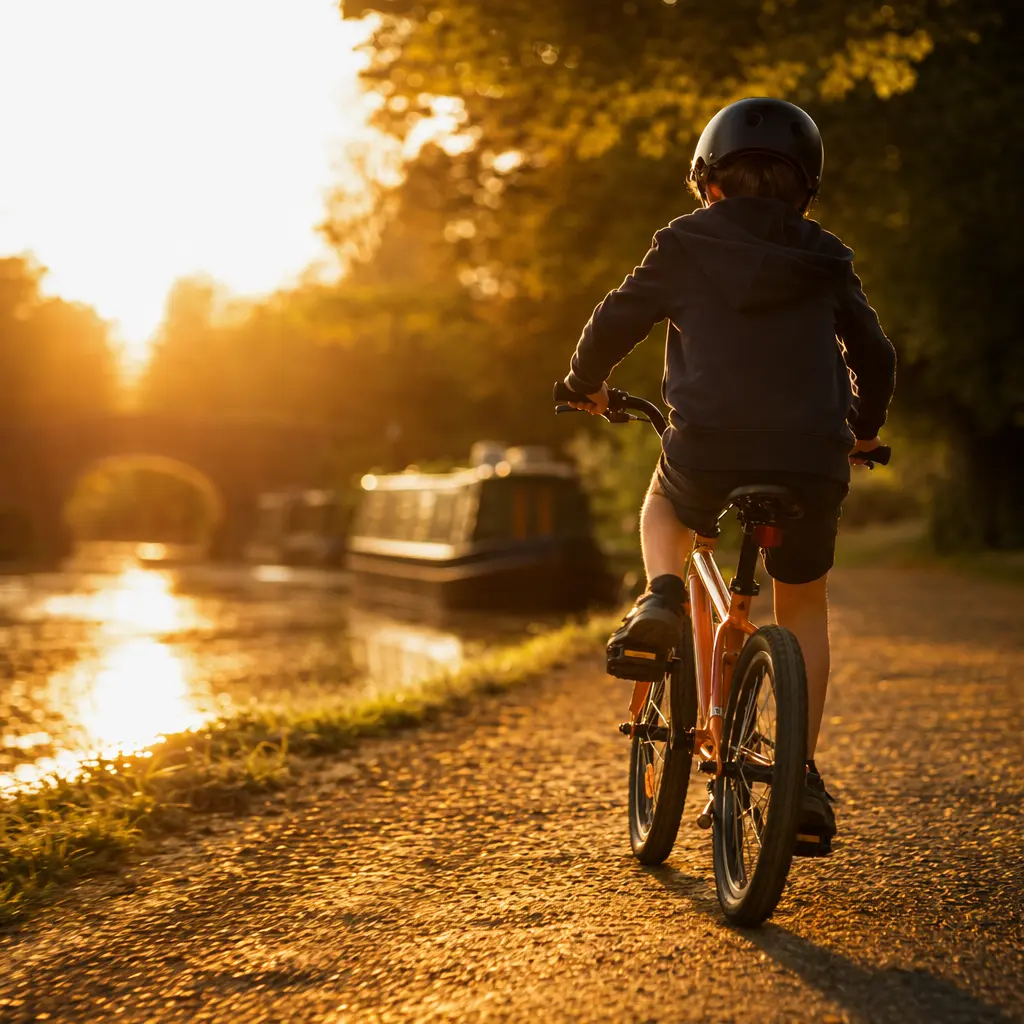
Spending £500–£1,000 on a kids’ bike can feel like a big step up. At this level you’re paying for meaningful upgrades—mainly lower weight, better brakes and components sized properly for children. The key question is whether those gains will actually benefit your child now, or whether a cheaper bike would do the job just as well.
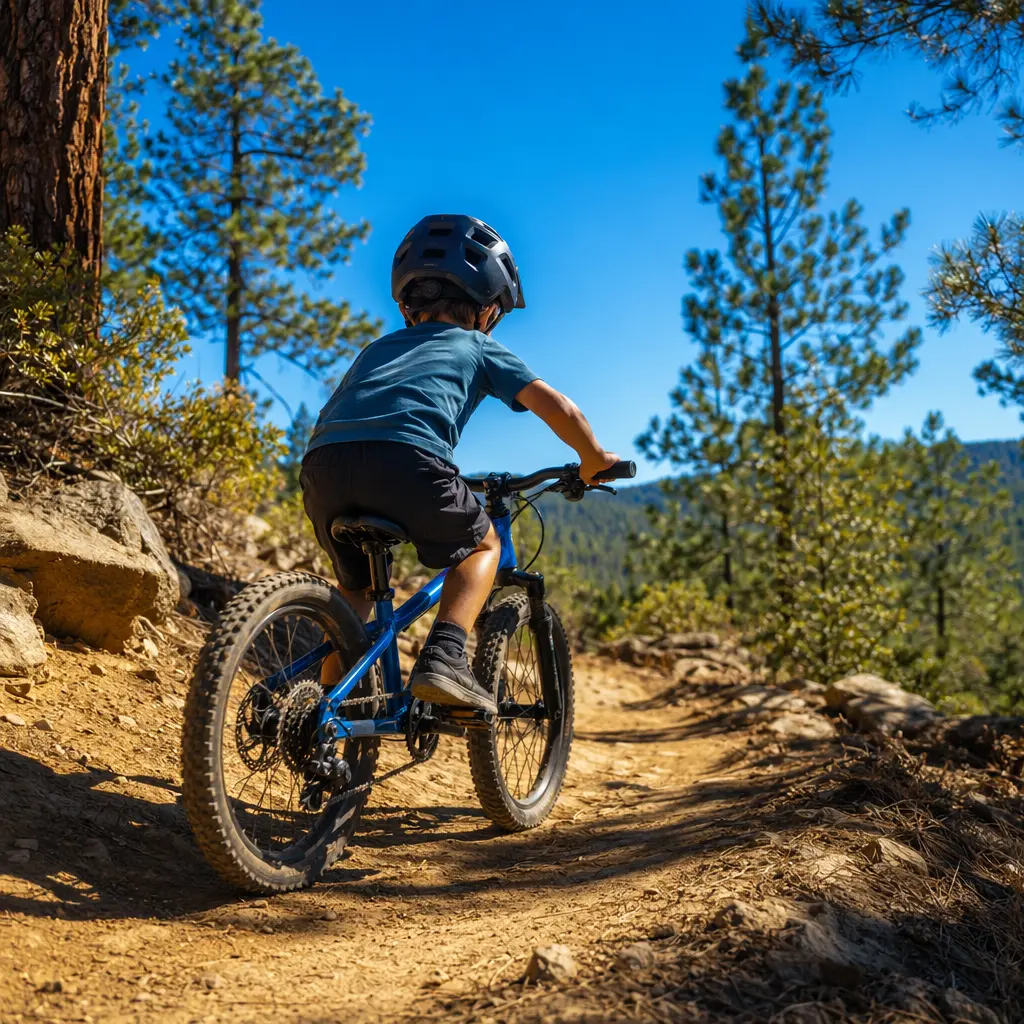
What to look for
In the £500–£1,000 bracket, bikes start to be designed around children rather than simply shrunk-down adult models. These are the features that matter most.
- Weight: A lighter bike is easier to start, stop and control. At this price, frames and forks are often significantly lighter than budget alternatives.
- Frame material: Aluminium is most common for keeping weight down; some premium steel frames trade a little weight for comfort and toughness.
- Brake type: Hydraulic disc brakes become common here. They need less hand strength than mechanical discs or rim brakes, which helps smaller riders.
- Brake lever reach: Child-specific levers with shorter reach make a real difference to control and confidence.
- Gearing: Wider-range gears with smoother shifting help on hills, but avoid overly complex setups that add weight and maintenance.
- Geometry: Proper kids’ geometry (shorter reach, lower standover) improves balance and reduces fatigue.
- Fit and adjustability: Look for sensible seatpost range and bar height adjustment to allow for growth.
- Tyres and wheels: Lighter rims and quality tyres improve acceleration and grip without adding complexity.
- Included accessories: At this price, extras like mudguards or racks are rare—focus on the core bike first.
Budget and what you’re getting
Compared with sub-£300 kids’ bikes, spending £500–£1,000 usually cuts a noticeable amount of weight—often several kilos. That difference is far more significant for a child than for an adult. You’re also paying for brakes that work with smaller hands, better bearings that roll freely, and components that don’t need constant adjustment. The trade-off is value over time: children grow fast, so the bike may only fit well for a couple of years. Resale value can help offset this, but only if the bike is kept in good condition.
Standout categories or types
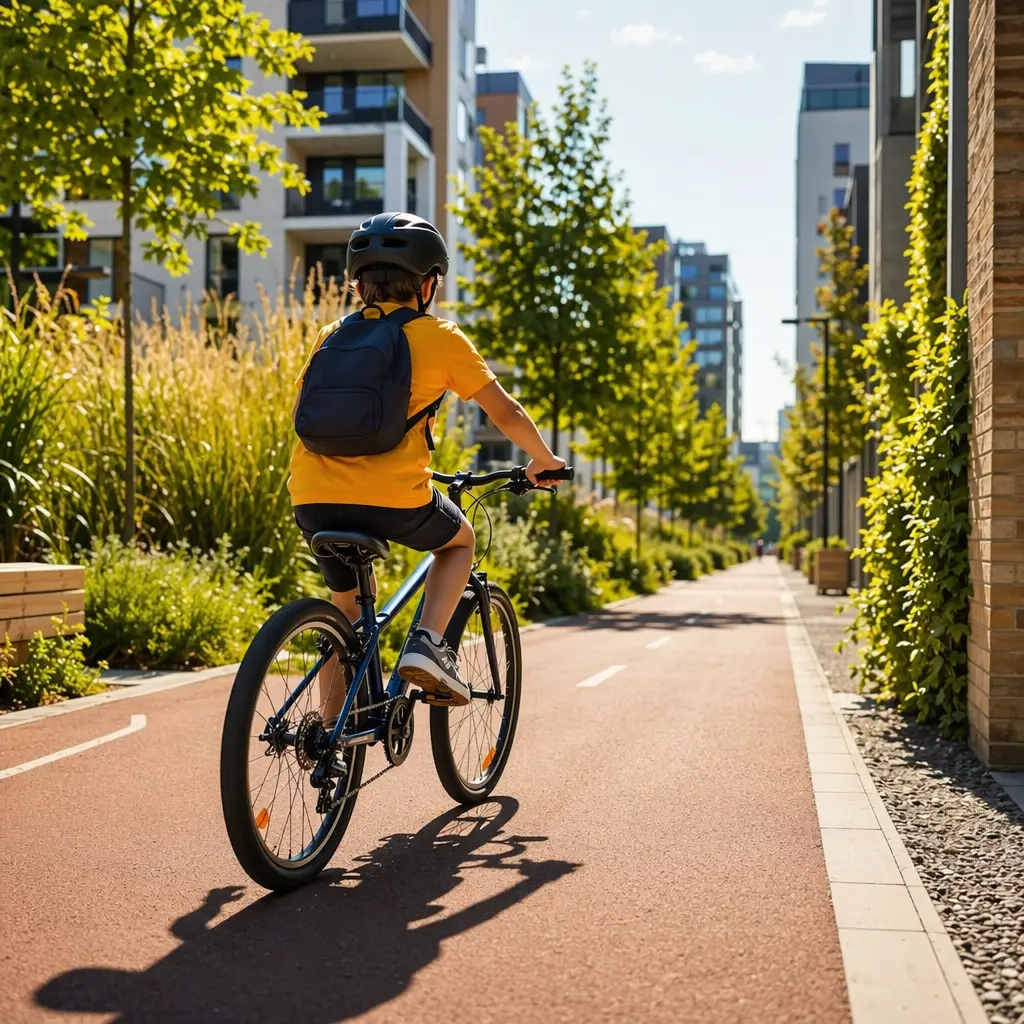
Within this price range, the biggest differences are about riding style rather than pure quality. Choosing the right type matters as much as spending more.
- Lightweight off-road bikes: Designed for trails and family rides, these usually skip heavy suspension in favour of low weight and big tyres.
- Rigid vs suspension forks: Rigid forks keep weight down and need no servicing. Entry-level suspension often adds weight without much benefit for lighter riders.
- Road and all-road kids’ bikes: Narrow tyres and drop bars suit longer rides on tarmac, but only if your child enjoys that style of riding.
- Hybrid-style bikes: A sensible middle ground for school runs, paths and gentle off-road use, with an upright position and versatile tyres.
Frequently asked questions
Does a lighter bike really make a difference for kids?
Yes. Because children are lighter and less powerful than adults, every kilo matters more. A lighter bike is easier to control, especially on hills and when stopping.
Are hydraulic disc brakes worth it at this age?
Often, yes. Hydraulic brakes need less hand strength and offer more consistent stopping. That can boost confidence, particularly in wet UK conditions.
How long will a £500–£1,000 kids’ bike last?
In terms of durability, many years. In terms of fit, usually two to three years depending on growth. Buying the right size matters more than buying ‘big to grow into’.
Is it better to buy new or second-hand?
Second-hand can offer excellent value if the bike is in good condition and the size is right. Check brakes, wheels and frame carefully, and budget for a service.
Overall, spending £500–£1,000 on a kids’ bike makes sense when your child rides regularly and will benefit from lower weight and better control. For occasional riding, a cheaper bike may be perfectly adequate—but for keen young cyclists, these upgrades can make riding easier, safer and more enjoyable.
Find these on Amazon
As an Amazon Associate, CheapBikes earns from qualifying purchases.