Are hybrid bikes good for bad UK roads?
A practical buyer’s guide to whether hybrid bikes cope with potholes and rough UK tarmac, covering tyres, geometry, comfort features and realistic trade-offs.
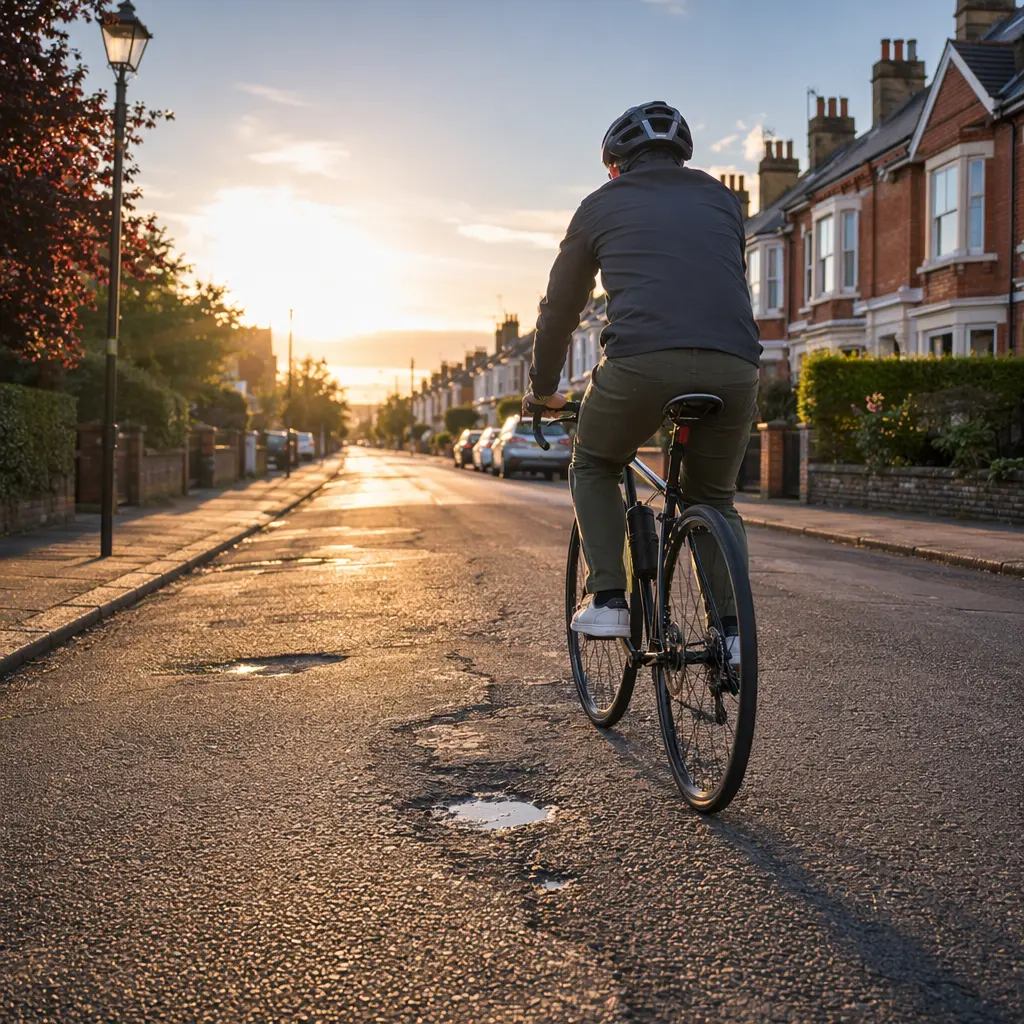
Cracked tarmac, pothole repairs and uneven road edges are a fact of life for many UK cyclists. If you’re choosing a bike for everyday riding, it’s reasonable to ask whether a hybrid can cope — or whether you’ll be rattled to bits. This guide looks at tyres, geometry and comfort features to explain when hybrids work well on poor road surfaces, and when another type might suit you better.
What to look for
Not all hybrid bikes feel the same on rough roads. Comfort comes from a mix of tyre choice, frame design and sensible setup rather than any single feature.
- Tyres: Wider tyres (typically 35–45mm) with some air volume smooth out broken tarmac far better than skinny road tyres. Look for room to run lower pressures safely.
- Frame material: Aluminium is common and affordable, but steel frames can feel more forgiving over rough surfaces. Carbon forks can also reduce vibration.
- Brakes: Disc brakes don’t add comfort directly, but they give consistent stopping power in wet, gritty conditions common on poor roads.
- Geometry: An upright riding position takes weight off your hands and shoulders, reducing fatigue when the road surface is constantly uneven.
- Fit: Correct frame size and saddle height matter more than any comfort add-on. A poorly fitted bike will feel harsh whatever the tyres.
- Weight: Heavier bikes aren’t automatically more comfortable, but ultra-light, stiff frames can transmit more road buzz.
- Included accessories: Factory-fitted mudguards, rack mounts and clearance for bigger tyres make a hybrid more practical for real-world UK riding.
Budget and what you're getting
At typical hybrid-bike price points, you’re paying for practicality rather than luxury. Expect durable frames, basic but reliable gearing, and tyres chosen for versatility rather than plushness. You usually won’t get high-end suspension or premium finishing kit, but you do get a bike that can be upgraded over time — wider tyres, better saddle or ergonomic grips can all make a noticeable difference on rough roads without replacing the whole bike.

Standout categories or types
Hybrid bikes aimed at bad roads generally fall into a couple of broad camps. Understanding the difference helps avoid buying features you don’t need.
- Rigid hybrids with wide tyres: Often the best choice for rough UK tarmac. Fewer moving parts, lighter weight and comfort coming from tyres and frame flex.
- Front-suspension hybrids: Can take the edge off sharp hits, but budget suspension is heavy and often ineffective on small bumps like chip-seal and cracks.
For most riders dealing with potholes and patchwork repairs rather than off-road trails, a rigid hybrid with generous tyre clearance is usually the more efficient and comfortable option.
Frequently asked questions
Are hybrid bikes better than road bikes on bad roads?
Yes, in most cases. Hybrids allow wider tyres, a more upright position and sturdier wheels, all of which help on broken tarmac compared with traditional road bikes.
Do I need suspension for potholes?
Not usually. Wider tyres at sensible pressures absorb everyday road damage more effectively than basic suspension forks, which often add weight without much benefit.
What tyre pressure is best for rough UK roads?
Lower than you might think. Staying within the tyre’s recommended range and adjusting for your weight can significantly improve comfort and grip.
Are hybrids suitable for long rides on poor surfaces?
They can be, especially with the right saddle and grips. For very long distances, some riders prefer gravel bikes, but hybrids remain a practical, affordable option.
Overall, hybrid bikes are a sensible choice for bad UK roads when set up correctly. Focus on tyre width, fit and practical features rather than gimmicks, and a hybrid can handle everyday rough surfaces with confidence and comfort.
Find these on Amazon
As an Amazon Associate, CheapBikes earns from qualifying purchases.