Gravel bikes vs hybrids under £600: which suits you?
Choosing between a gravel bike and a hybrid on a £300–£500 budget? This UK buyer’s guide compares geometry, tyre width and riding position to help you pick the right tool for roads, paths and towpaths.
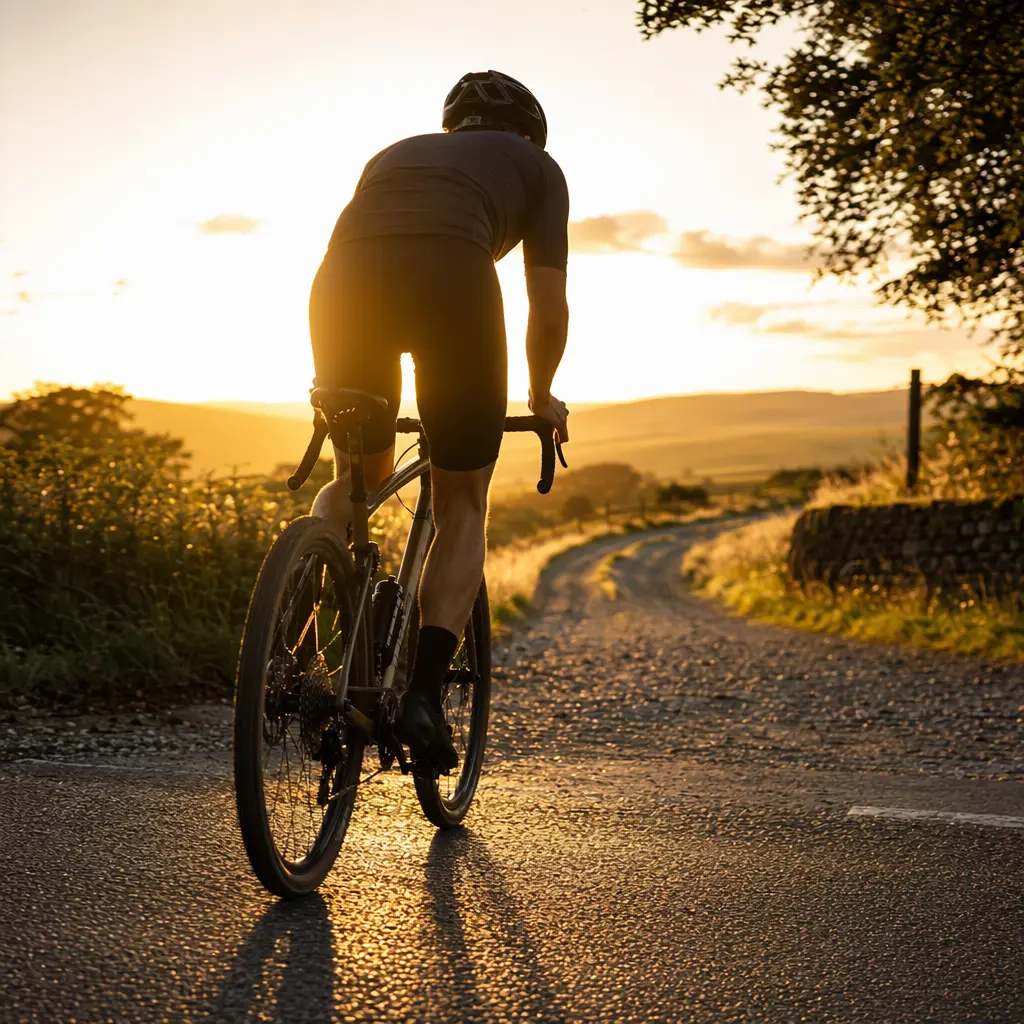
If your riding mixes tarmac, towpaths and the odd rough lane, the choice often comes down to a gravel bike or a hybrid. At £300–£500, both promise versatility, but they feel very different on the road. This guide compares geometry, tyre width and riding position to help UK riders decide which suits their routes and comfort needs.
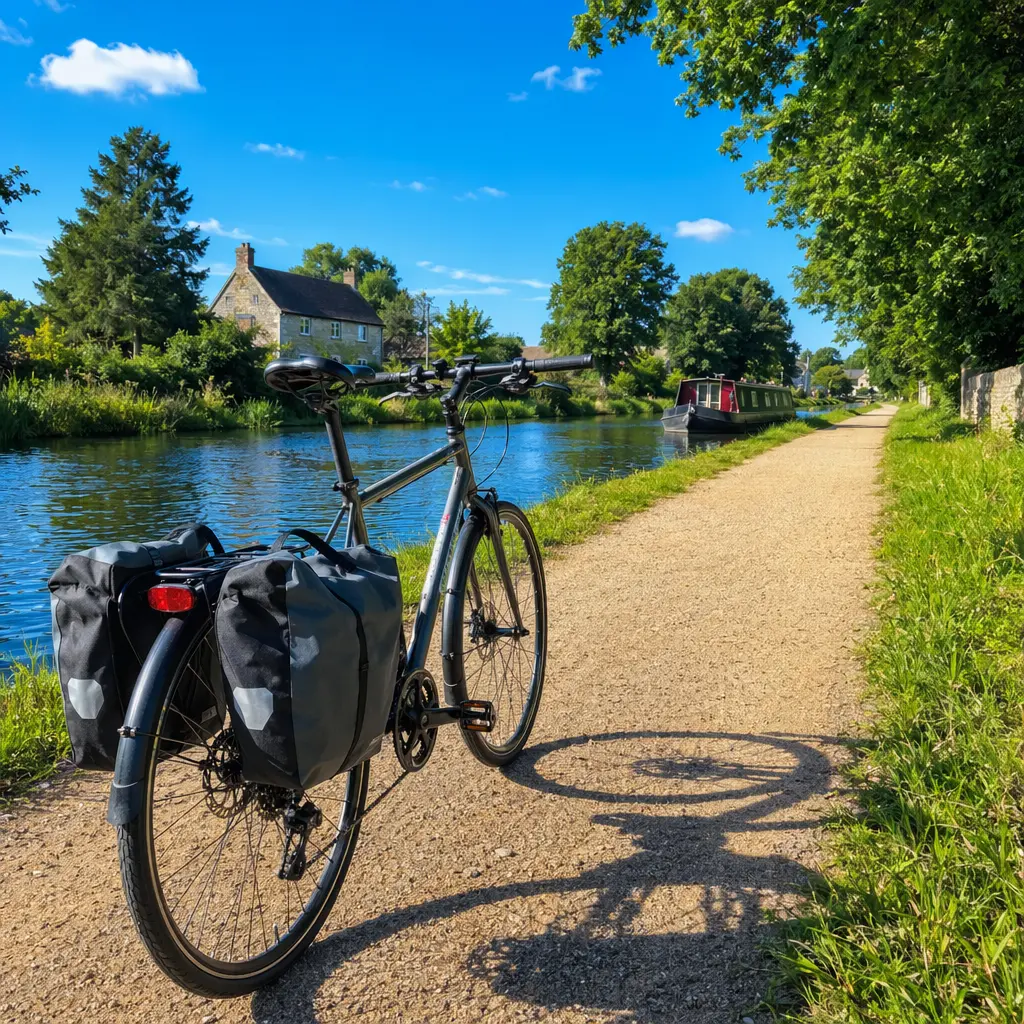
What to look for
At this price, focus on practical features rather than race credentials. The right setup will make everyday riding easier and more comfortable, especially on UK surfaces.
- Gearing: Look for a wide range for hills and headwinds; hybrids often use triple or wide-range 1x setups, gravel bikes tend to use road-style doubles or 1x.
- Frame material: Aluminium is most common under £600; it keeps weight down but can feel firm on rough paths.
- Brake type: Mechanical disc brakes are typical and offer reliable stopping in the wet; rim brakes are rarer now.
- Geometry: Hybrids favour upright comfort and easy handling; gravel bikes have longer reach and a lower front end for efficiency.
- Fit: Check standover height and reach; drop bars need more careful sizing than flat bars.
- Weight: Don’t chase numbers—durability matters more at this budget.
- Included accessories: Hybrids often come with mounts (or even fitted) for mudguards and racks; gravel bikes usually have mounts but fewer extras fitted.
Budget and what you're getting
Between £300 and £500, you’re buying solid basics rather than refinement. Expect sturdy wheels, entry-level drivetrains and mechanical discs. You won’t get the lightest frames or tubeless-ready wheels, and finishing kit can be basic. The upside is value: both gravel bikes and hybrids in this bracket are tough, easy to service and well suited to everyday UK riding.

Standout categories or types
The biggest difference is the handlebar and how the bike positions you. Gravel bikes use drop bars, offering multiple hand positions and a stretched-out posture that suits longer rides and headwinds. Hybrids use flat bars, giving upright comfort and straightforward control in traffic.
Tyres are another separator. Gravel bikes usually run 35–45mm tyres, rolling efficiently on tarmac while adding grip on loose surfaces. Hybrids often come with slightly narrower tyres (32–38mm) but with clearance to go wider if needed. Geometry follows suit: gravel bikes feel more stable at speed on rough roads, while hybrids are nimble at low speeds and easier for stop-start commuting.
Frequently asked questions
Which is better for commuting?
Hybrids usually win for short to medium commutes thanks to upright comfort, flat bars and easy fitting of mudguards and panniers. Gravel bikes can commute well too, but feel best on longer, faster routes.
Are gravel bikes faster on the road?
On smooth tarmac, gravel bikes can be quicker due to their riding position and drop bars. Tyre choice matters: slick or semi-slick tyres narrow the gap. In town traffic, hybrids often feel just as quick.
Can I add mudguards and racks?
Most hybrids are designed for year-round use and accept full-length mudguards and rear racks easily. Many gravel bikes have mounts, but check tyre clearance with guards fitted before buying.
What about comfort on rough paths?
Wider tyres at lower pressures make the biggest difference. Gravel bikes have the edge here, but a hybrid with 38–40mm tyres can be very comfortable on towpaths and bridleways.
Both gravel bikes and hybrids can be excellent all-rounders under £600. Choose a gravel bike if you value longer rides, mixed surfaces and an efficient position. Pick a hybrid if comfort, simplicity and everyday practicality top your list. Match the bike to your routes, and you’ll get far more from your budget.
Find these on Amazon
As an Amazon Associate, CheapBikes earns from qualifying purchases.