Are Gravel Bikes Good for Commuting in the UK?
Gravel bikes promise comfort and versatility. This guide explains whether they make sense for UK commuting, looking at tyres, gearing, riding position and real-world routes like roads, paths and canal towpaths.
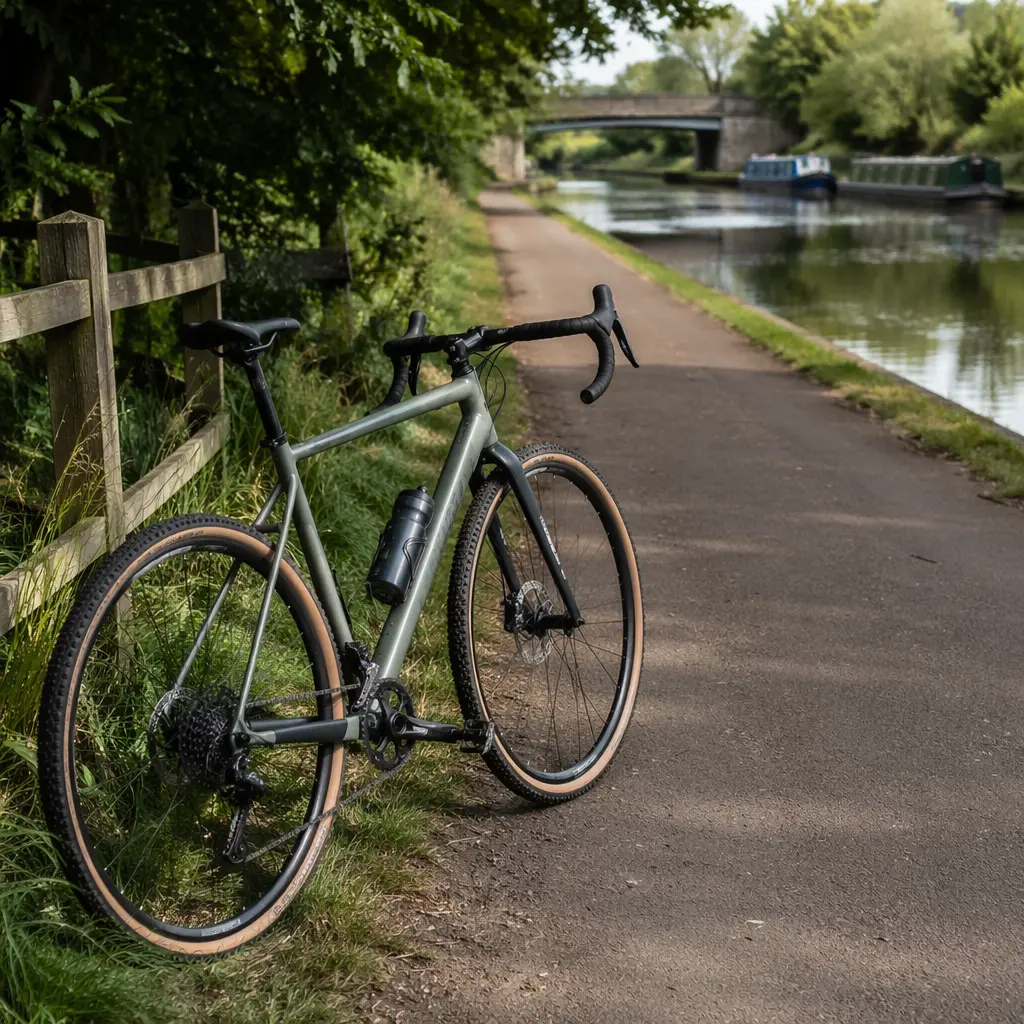
UK commutes are rarely just smooth tarmac. Many riders mix main roads with cycle paths, park tracks or canal towpaths, often in the same journey. Gravel bikes have grown popular because they sit between road and hybrid bikes, but are they actually a sensible choice for everyday commuting rather than weekend adventures?
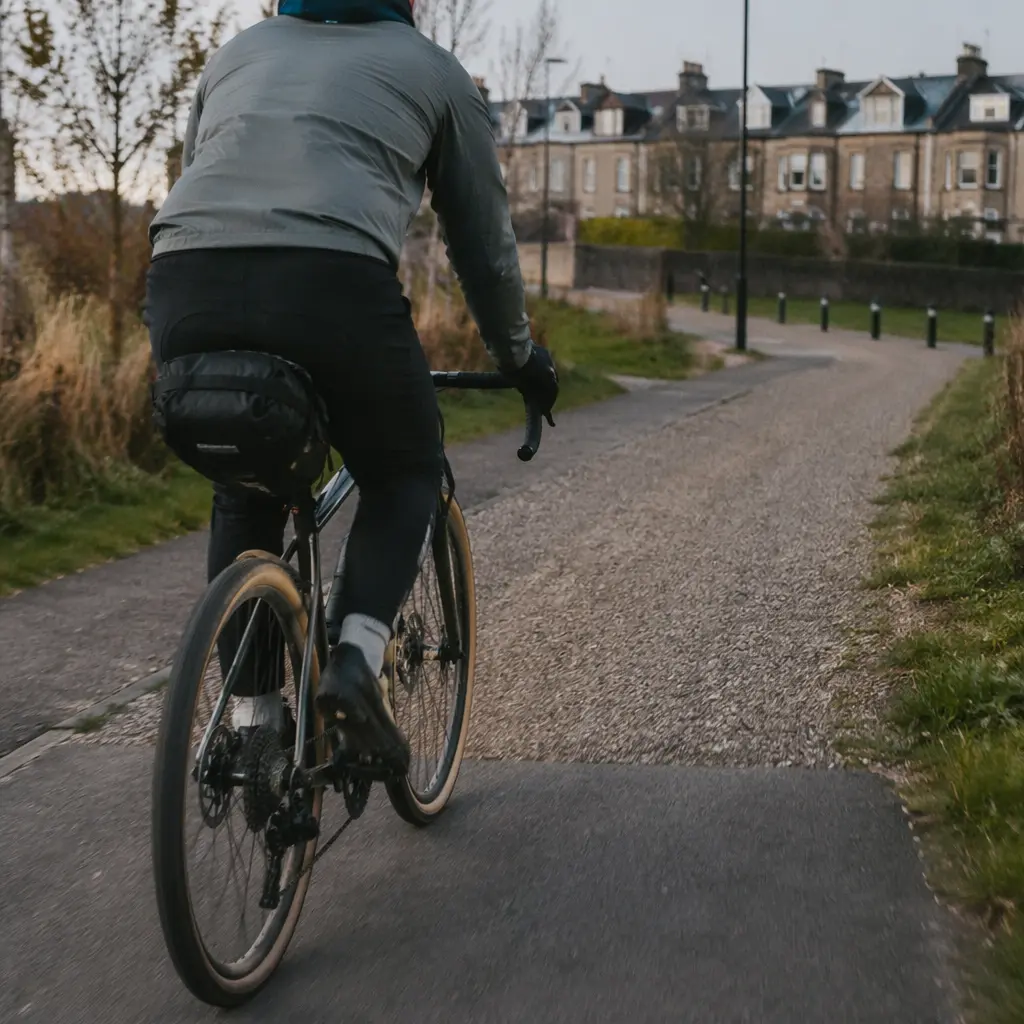
What to look for
Gravel bikes vary widely, and not all are equally suited to commuting. Focusing on a few practical features will help you decide whether one fits your daily ride and storage situation.
- Tyres: Most gravel bikes run wider tyres than road bikes, often 35–45mm. This adds comfort and grip on broken tarmac, paths and towpaths, while still rolling reasonably fast on roads.
- Gearing: Gravel gearing is usually lower than road bike gearing, making hills easier when carrying a backpack or panniers. Check the lowest gear rather than the top speed.
- Frame material: Aluminium is common and keeps cost and weight down. Steel frames can feel smoother on rough surfaces but are often heavier.
- Brakes: Disc brakes are standard and work well in wet UK conditions. Mechanical discs are simpler; hydraulic discs offer more power but can cost more to maintain.
- Geometry and riding position: Gravel bikes place you more upright than a race road bike, reducing strain on wrists and neck during longer commutes.
- Fit: Reach and standover height matter, especially if you stop often at junctions. A comfortable fit beats marginal speed gains.
- Weight: Gravel bikes are heavier than road bikes but lighter than many hybrids. For stairs or train platforms, this can matter.
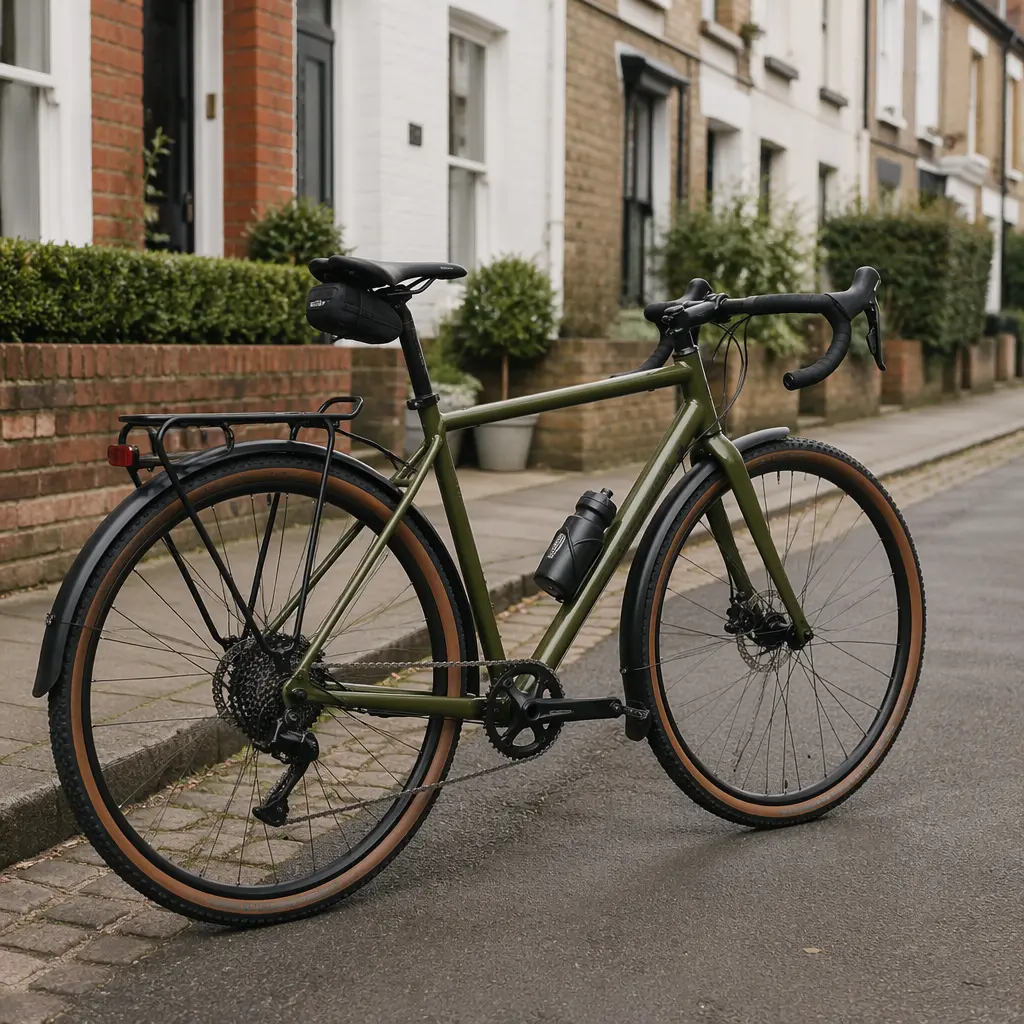
- Included accessories: Look for mounts for mudguards and pannier racks. Many gravel frames include these, but not all do.
Budget and what you're getting
At commuter-friendly price points, gravel bikes usually involve trade-offs. You may get a solid aluminium frame and reliable disc brakes, but wheels and tyres are often heavier, and finishing kit can be basic. Compared with a hybrid at the same budget, a gravel bike may feel sportier but less equipped out of the box, as mudguards, lights and racks are often optional extras.
Standout categories or types
For commuting, gravel bikes tend to fall into a few useful sub-types. Understanding these can help narrow your search.
- Road-leaning gravel bikes: These have narrower tyres and a more stretched riding position. They suit longer road-heavy commutes but feel less stable on loose paths.
- All-round gravel bikes: With clearance for wider tyres and relaxed geometry, these are well suited to mixed road, path and towpath riding.
- Adventure-style gravel bikes: Often heavier with extra mounting points. They can carry loads well but may feel sluggish for shorter, faster commutes.
Frequently asked questions
Are gravel bikes faster than hybrids for commuting?
On average, yes. Drop handlebars and lighter frames can make gravel bikes quicker on the road. However, tyre choice and rider position matter more than the category name.
Do gravel bikes work well on canal towpaths?
They are generally well suited. Wider tyres and stable handling cope better with mud, gravel and uneven surfaces than standard road bikes.
Are drop handlebars awkward in traffic?
They can feel unfamiliar at first, but many commuters use the tops of the bars in traffic for a more upright view. Bar width and fit make a big difference.
Can a gravel bike replace a road bike and a commuter bike?
For many riders, yes. A gravel bike can cover commuting, leisure rides and light touring, though it will not be as fast as a dedicated road bike or as practical as a fully equipped city bike.
Gravel bikes can be a strong option for UK commuting if your route includes rough roads, shared paths or towpaths. They reward riders who value comfort and versatility over outright speed, especially when set up with the right tyres and everyday accessories.
Find these on Amazon
As an Amazon Associate, CheapBikes earns from qualifying purchases.