Are hybrid bikes under £400 good enough for daily commuting?
A buyer-focused guide to £300–£400 hybrid bikes for UK commuting, covering reliability, comfort, maintenance costs and the trade-offs to expect at this budget.

If you’re looking for a practical bike to get to work without spending a fortune, hybrids under £400 are often top of the shortlist. They promise a comfortable riding position, sensible gearing and everyday usefulness — but are they actually good enough for daily commuting? This guide looks at what you really get at this price, where the compromises sit, and whether a £300–£400 hybrid can handle regular UK rides.

What to look for
At the lower end of the hybrid market, the details matter more than flashy features. A well-chosen £400 bike can be reliable and comfortable, but only if the basics are right.
- Gearing: Look for a wide range that copes with hills and stop-start riding. Simple 2x or 3x setups are common and cheaper to maintain than complex systems.
- Frame material: Aluminium is most common at this price and keeps weight reasonable. Steel can be comfortable but may add weight.
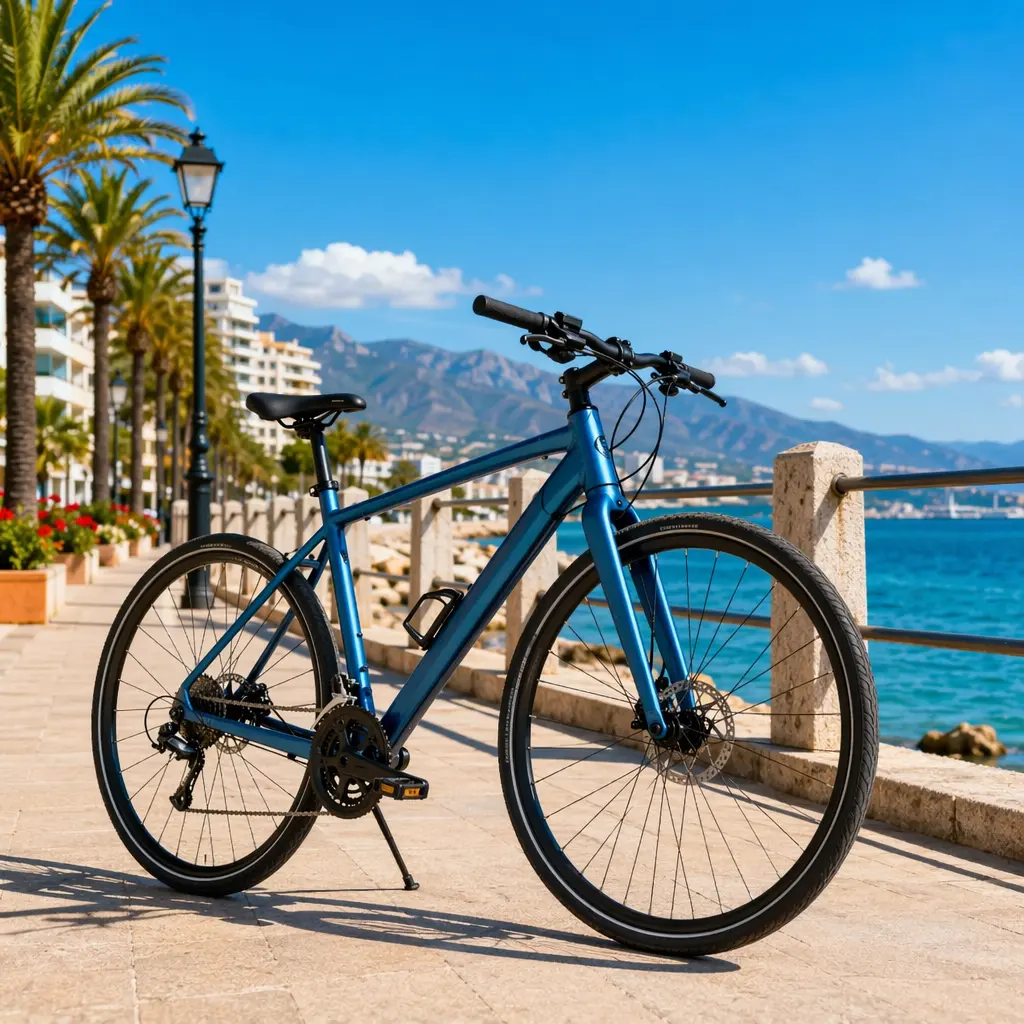
- Brake type: Rim brakes are still widespread and are easy and cheap to maintain. Mechanical disc brakes offer better wet-weather performance but may need more setup.
- Geometry: A slightly upright position reduces strain on your back and neck during daily rides.
- Fit: Correct frame size matters more than components. A poorly fitting bike will feel uncomfortable regardless of price.
- Weight: Expect something heavier than premium bikes, but it shouldn’t feel cumbersome for short urban rides.
- Included accessories: Mounts for mudguards and panniers are a big plus. Full accessories are rare at this budget, but compatibility is key.
Budget and what you're getting
Between £300 and £400, you’re paying for solid fundamentals rather than refinement. Frames are usually sturdy, components are functional rather than light, and finishing kit (saddle, grips, pedals) is basic. Reliability is generally good if the bike is assembled and adjusted properly, but you shouldn’t expect the smooth shifting or low weight of higher-priced models. The upside is that replacement parts are cheap and widely available, keeping long-term costs down.
Standout categories or types
Not all budget hybrids are the same. Knowing the common sub-types helps narrow your choice.
- Rigid hybrids: No suspension forks, lighter weight and less maintenance. Often the best option for road and cycle-path commuting.
- Front-suspension hybrids: Add comfort on rough paths but increase weight and upkeep. Budget forks can feel vague on tarmac.
- Alloy vs steel frames: Alloy keeps things lighter and rust-free, while steel can feel smoother but needs more care if left outdoors.
Frequently asked questions
Will a £400 hybrid last for daily commuting?
Yes, for typical urban distances it should cope well, especially if you keep up with basic maintenance like cleaning the drivetrain and checking brake pads.
Are maintenance costs high on cheaper hybrids?
Generally no. Simpler components mean cheaper replacement parts. Budget extra for consumables such as tyres, chains and brake pads over time.
Is disc braking worth it at this price?
Mechanical discs can be useful in wet weather, but well-set-up rim brakes are still perfectly adequate for commuting and easier to service.
Can I add mudguards and panniers later?
Most hybrids in this range include mounting points. Always check the frame and fork for eyelets before buying if commuting gear is important to you.
For many UK riders, a hybrid bike under £400 is a sensible and cost-effective way to commute. You won’t get luxury features, but you can expect comfort, practicality and manageable running costs. Choose carefully, prioritise fit and simplicity, and a budget hybrid can be more than good enough for daily use.
Find these on Amazon
As an Amazon Associate, CheapBikes earns from qualifying purchases.