Gravel vs Hybrid Bikes Under £1,000: UK Buying Guide
Choosing between a gravel or hybrid bike under £1,000? This UK-focused guide compares geometry, tyres and gearing for lanes, paths and daily commuting.

If your riding mixes tarmac lanes, traffic-free paths and the odd gravel track, two bike types usually top the shortlist: gravel bikes and hybrids. With budgets between £500 and £1,000, both promise versatility, but they go about it in different ways. This guide explains the practical differences that matter for UK riding, so you can pick the option that best fits your routes, comfort needs and value expectations.
What to look for
At this price point, gravel and hybrid bikes often share similar components, so it helps to focus on how the overall setup suits mixed UK conditions rather than chasing headline specs.
- Gearing: Wide-range gears help on steep lanes and rough tracks. Gravel bikes often use simpler 1x drivetrains, while hybrids usually offer 2x or 3x setups with smaller jumps between gears.
- Frame material: Aluminium is common and good value, keeping weight down. Some hybrids use steel forks or frames for comfort, but this can add weight.
- Brake type: Hydraulic disc brakes are increasingly common under £1,000 and give better control in wet UK weather. Mechanical discs are cheaper and easier to service but less powerful.
- Geometry: Gravel bikes have longer reach and lower handlebars for efficiency over distance. Hybrids use a more upright position that suits traffic, paths and casual rides.
- Fit: Standover height and reach vary. Gravel frames can feel longer; hybrids are often more forgiving for new or returning cyclists.
- Weight: Neither category is especially light at this budget. Expect durability to take priority over race-level weight savings.
- Included accessories: Hybrids are more likely to come ready for mudguards and racks, and sometimes include them. Gravel bikes usually have mounting points but require add-ons.
Budget and what you're getting
Between £500 and £1,000, you’re buying solid, practical bikes rather than cutting-edge tech. Expect reliable aluminium frames, entry- to mid-level drivetrains and disc brakes. Tyres may be basic, saddles generic and wheels built for strength rather than speed. The upside is good durability for year-round UK riding; the trade-off is extra weight and fewer refinement touches. Both gravel and hybrid bikes in this range can be upgraded later with better tyres, contact points or wheels if you want to improve comfort or performance.
Standout categories or types
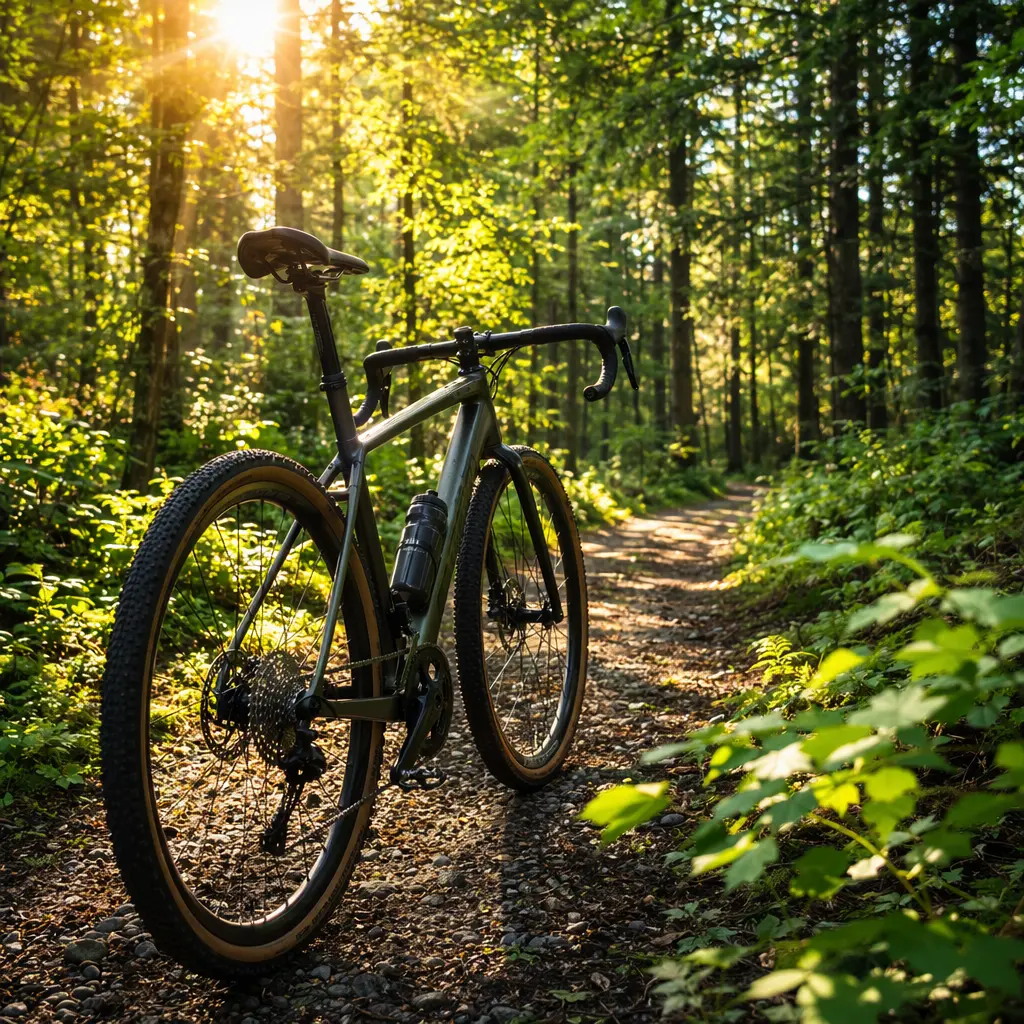
Gravel bikes are essentially drop-bar bikes designed to handle rougher surfaces. Under £1,000, they usually come with relatively wide tyres (35–45mm), flared handlebars for control, and gearing aimed at steady progress rather than top speed. They suit longer rides, rural lanes and bridleways, especially if you like a road-bike feel.
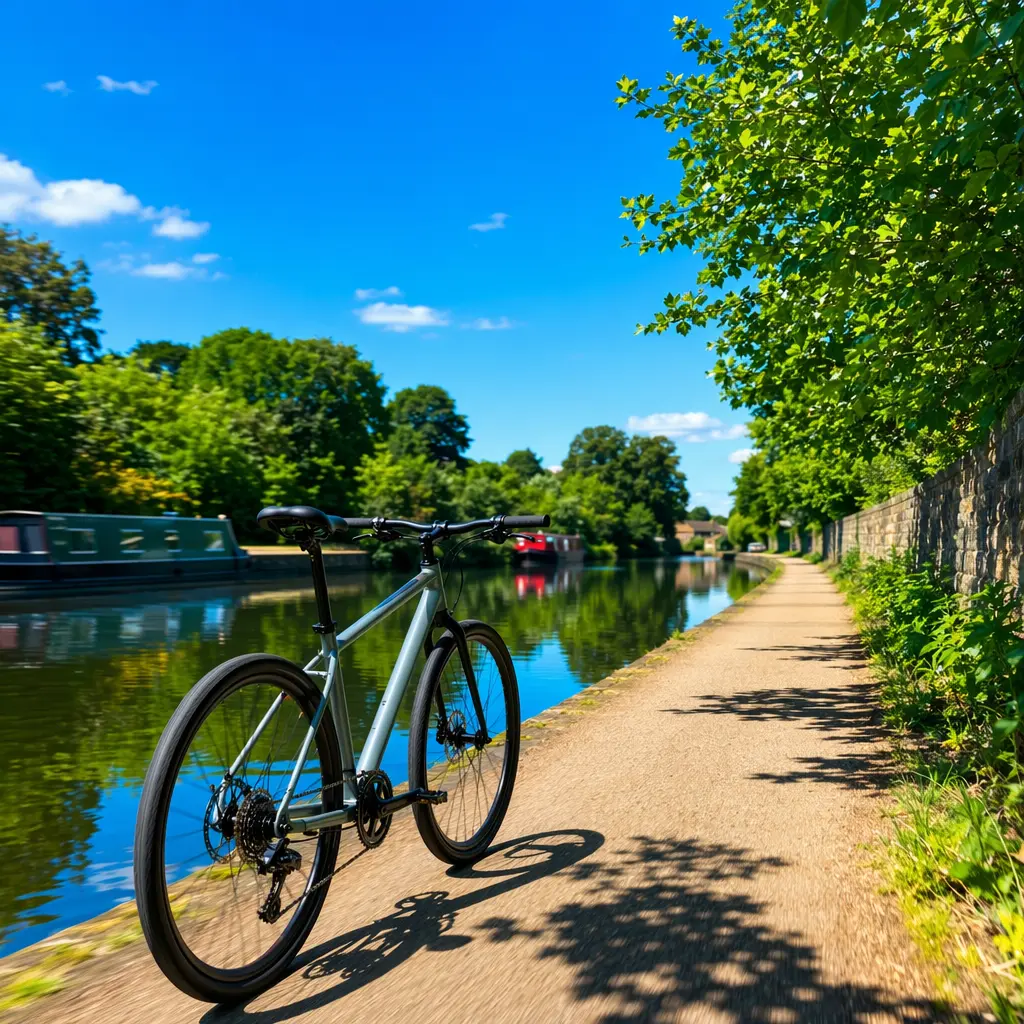
Hybrids focus on ease of use. Flat handlebars give confident steering in traffic, and tyre widths typically sit between 32–40mm. Many hybrids prioritise comfort and practicality, making them popular for commuting, leisure rides and light touring. Some versions add front suspension, though rigid forks are often lighter, simpler and more efficient for mixed surfaces.
- Rigid hybrid vs suspension hybrid: Rigid forks are lighter and need less maintenance; suspension can help on potholes and rough paths but adds weight.
- Adventure-style gravel vs road-leaning gravel: Some gravel bikes are relaxed and stable, others closer to endurance road bikes with extra clearance.
- Accessory-ready frames: Look for eyelets for racks and mudguards if year-round commuting is on the cards.
Frequently asked questions
Which is better for commuting?
Hybrids usually win for commuting thanks to upright comfort, flat bars for visibility and easier fitting of mudguards and racks. Gravel bikes can commute well, but may need extra spending on accessories.
Are gravel bikes faster than hybrids?
On longer rides and open roads, gravel bikes can feel quicker due to their riding position and drop bars. In stop-start urban riding, the difference is smaller and hybrids can feel just as efficient.
Can both handle UK bridleways and towpaths?
Yes, within reason. Gravel bikes handle loose surfaces confidently, while hybrids cope well with compacted gravel and towpaths. Very muddy or technical routes suit neither without careful tyre choice.
What about comfort on longer rides?
Comfort depends on fit, tyres and riding position. Hybrids feel relaxed for shorter to medium rides. Gravel bikes spread weight differently and can be more comfortable over distance once properly set up.
Choosing between a gravel and hybrid bike under £1,000 comes down to how you ride most often. For practical, everyday use with minimal fuss, hybrids make sense. If your riding leans towards longer distances and quieter routes, a gravel bike offers more scope. Both can cover mixed UK terrain well when chosen with realistic expectations and the right fit.
Find these on Amazon
As an Amazon Associate, CheapBikes earns from qualifying purchases.