Best Folding Bikes Under £800 for UK Train Commuters
A buyer’s guide to folding bikes under £800 for UK rail commuters. Covers fold speed, weight, wheel size and real-world trade-offs so you can choose a practical, train-friendly folder.
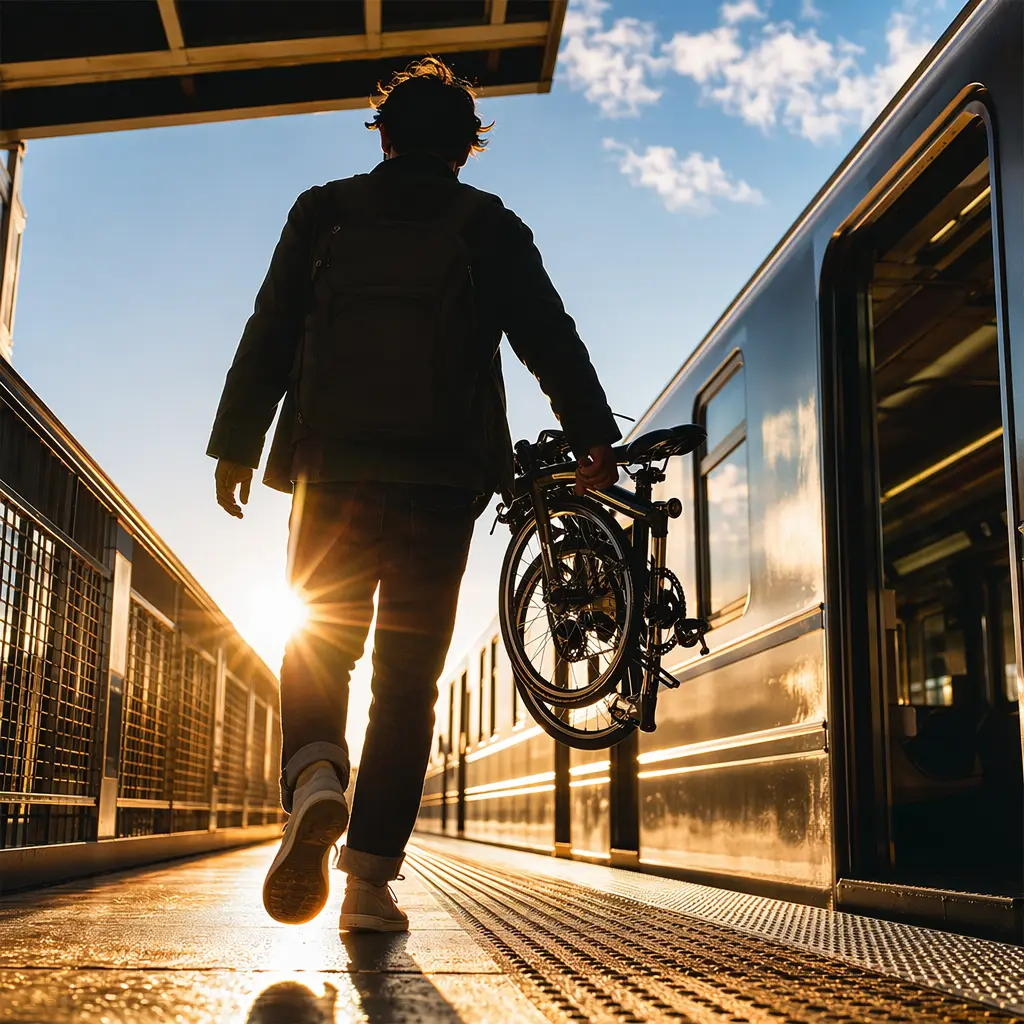
For many UK commuters, a folding bike is the simplest way to combine cycling with the train. The challenge is finding one that folds quickly, isn’t a pain to carry, and still rides well — all without blowing the budget. Under £800 is a busy price band, with plenty of sensible options if you know what matters most for occasional rail travel.
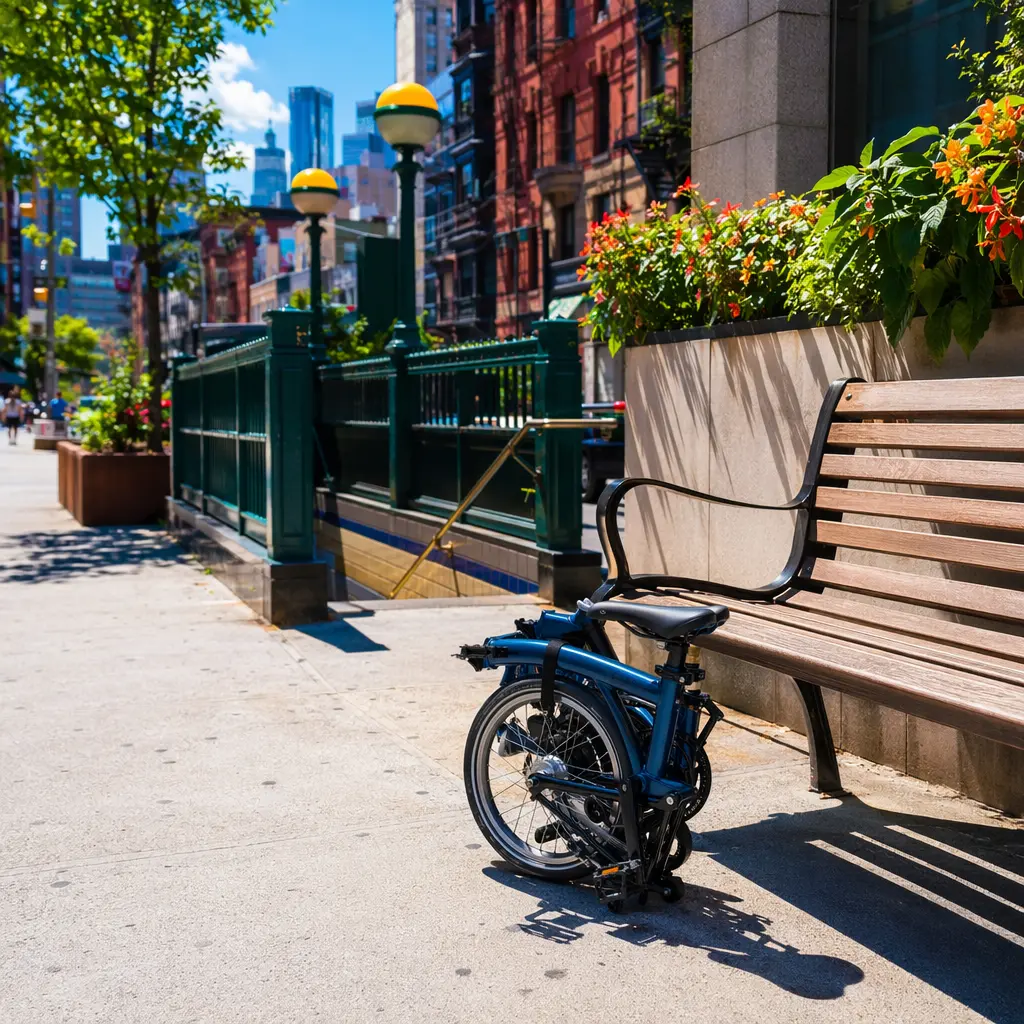
What to look for
Folding bikes live or die by practicality. For train commuters, the priorities are a fast, reliable fold, manageable weight, and a size that won’t annoy fellow passengers. Ride feel still matters, but it’s secondary to how easy the bike is to live with day to day.
- Fold speed: Look for a simple, intuitive folding mechanism that can be done in under 30 seconds. Fewer steps usually means less faffing on busy platforms.
- Weight: Under 13kg is a good target if you’ll be carrying the bike up stairs or through stations. Lighter often costs more, so decide what you can comfortably lift.
- Wheel size: Smaller wheels (14–16 inch) fold tighter and carry better; 20-inch wheels roll more smoothly on the road but create a bulkier package.
- Frame material: Aluminium is common at this price, keeping weight down and resisting corrosion from year-round commuting.
- Brakes: Rim brakes are lighter and cheaper; mechanical disc brakes offer better wet-weather control but add weight and complexity.
- Gearing: A simple derailleur setup gives range for hills, while hub gears are cleaner and lower maintenance but often cost more.
- Included accessories: Mudguards and a rear rack can save money later, especially if you plan to carry a pannier rather than a backpack.
Budget and what you're getting
At under £800, you’re firmly in the practical end of the folding-bike market. Expect sturdy hinges, sensible components and a ride that’s perfectly adequate for short to medium commutes. You won’t get ultra-compact folds, exotic materials or premium finishing, but you should get a bike that’s reliable and easy to maintain. Weight is the usual compromise: many bikes in this range are a kilo or two heavier than top-end folders. That said, for occasional train use rather than daily carrying, this is often a fair trade-off.
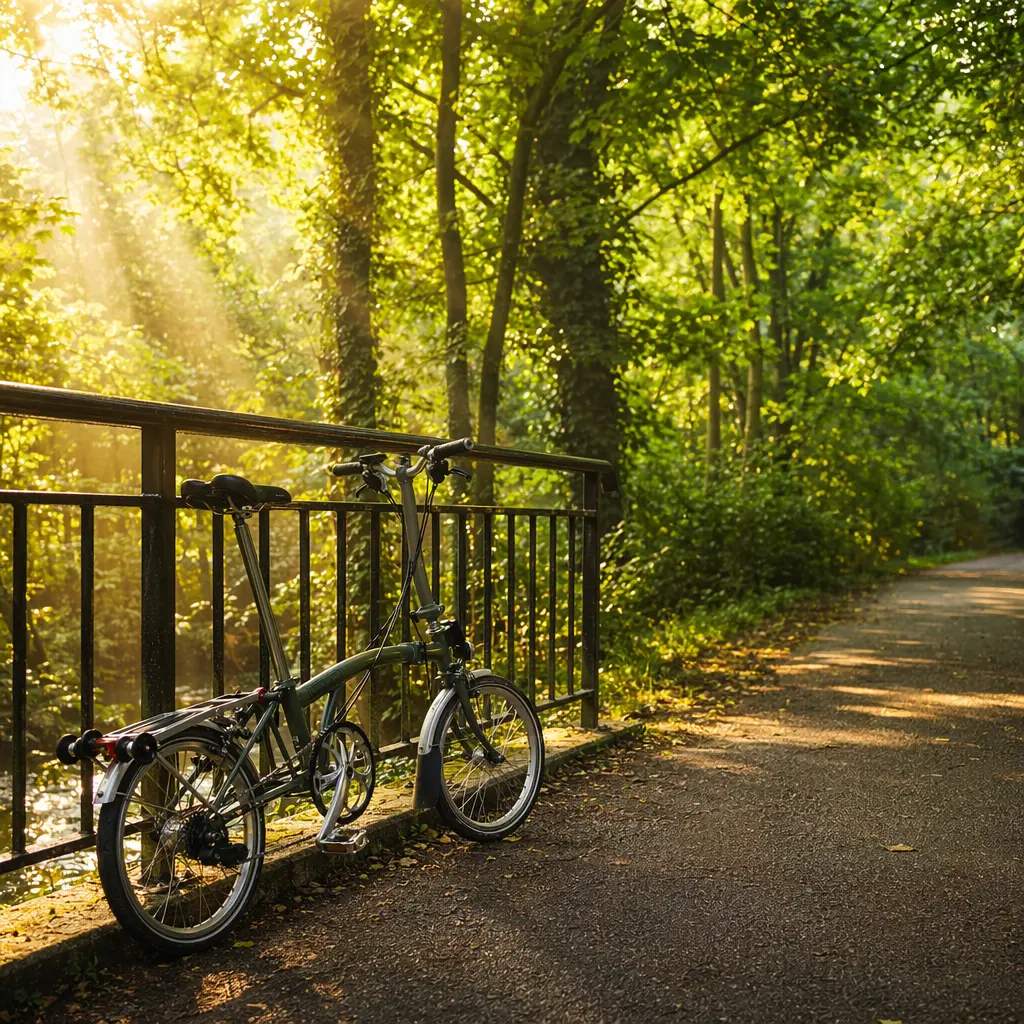
Standout categories or types
Most folding bikes under £800 fall into two broad camps, and choosing between them depends on whether train convenience or ride comfort matters more to you.
- Ultra-compact folders: Typically using smaller wheels, these fold into a neat, easy-to-store package. They’re ideal for crowded trains and small flats, but can feel twitchy on rough roads.
- Ride-focused folders: Usually built around 20-inch wheels, these feel more stable and confident on longer rides. The folded size is larger, but still acceptable for off-peak train travel.
There’s also a split between minimal and fully equipped builds. A bare-bones folder saves weight and money upfront, while models with mudguards and racks are heavier but better suited to all-weather commuting. Think about your route and whether you’ll be riding year-round.
Frequently asked questions
Are folding bikes allowed on UK trains?
Yes, folding bikes are generally allowed on all UK trains, often without restrictions, as long as they’re folded. Rules vary by operator, but folders are far more flexible than full-size bikes, especially at peak times.
How small does a folding bike need to be?
Smaller is better for busy routes, but it doesn’t need to be tiny. Aim for a folded package that can sit between seats or in luggage areas without blocking aisles. Wheel size is the biggest factor here.
Is a heavier folding bike a deal-breaker?
Not necessarily. If you’re only carrying it short distances — from platform to seat, or up one flight of stairs — an extra kilo or two may be fine. Frequent lifting favours lighter bikes.
Do folding bikes ride slower than normal bikes?
They can feel different, mainly due to smaller wheels and shorter wheelbases. For commuting speeds and distances, most riders adapt quickly, especially on smoother roads.
A folding bike under £800 won’t be perfect, but it can make train commuting far simpler. Focus on fold speed, manageable weight and a size that fits your route and storage. Get those right, and you’ll have a practical, low-stress way to combine bike and rail travel.
Find these on Amazon
As an Amazon Associate, CheapBikes earns from qualifying purchases.