What do you really get with a £2,000+ electric bike in the UK?
A buyer-focused look at £2,000+ e-bikes in the UK: how motor performance, battery life and reliability compare with sub‑£1,000 options, and where the money goes.
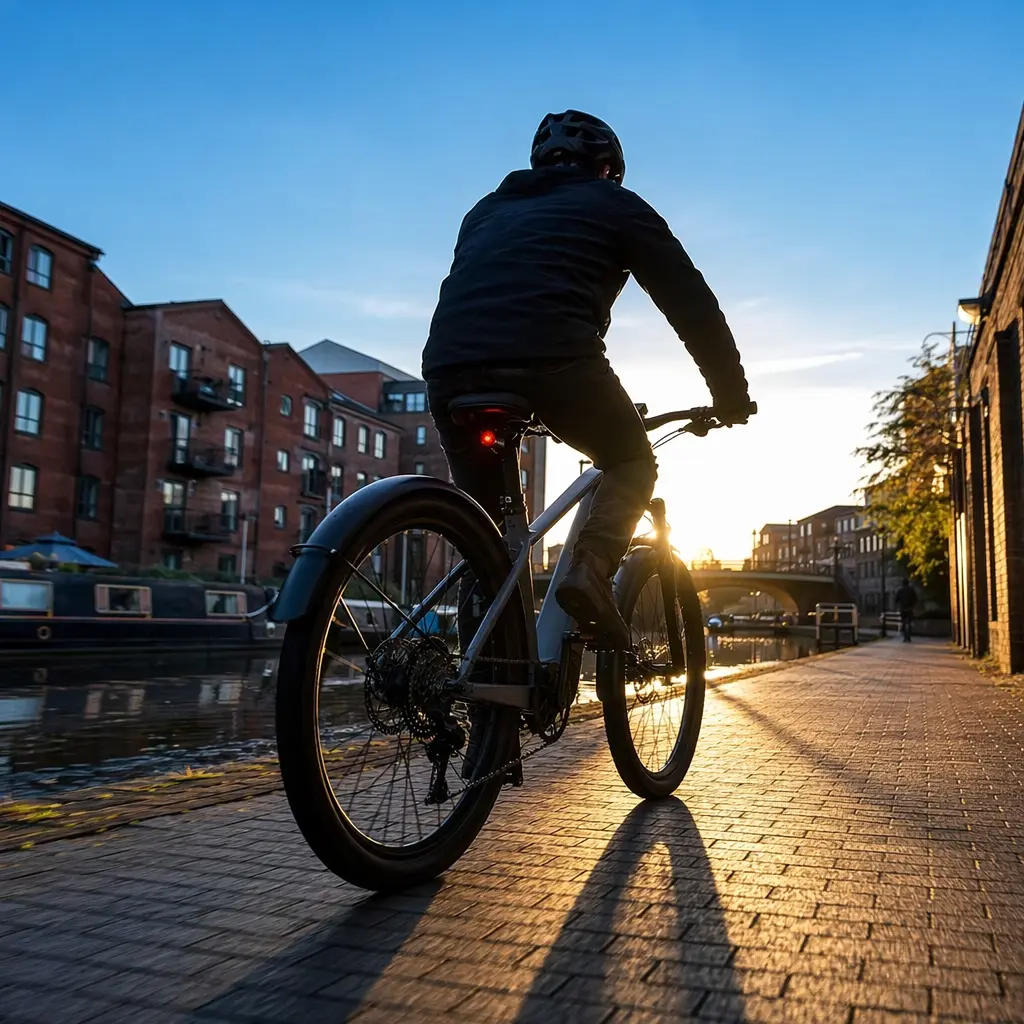
Spending £2,000 or more on an electric bike is a big step up from entry-level e‑bikes. The headline question for most UK buyers is simple: what do you actually get for the extra money, and is it worth paying double (or more) compared with sub‑£1,000 options? This guide breaks down where the budget goes, focusing on motor performance, battery life and long‑term reliability.
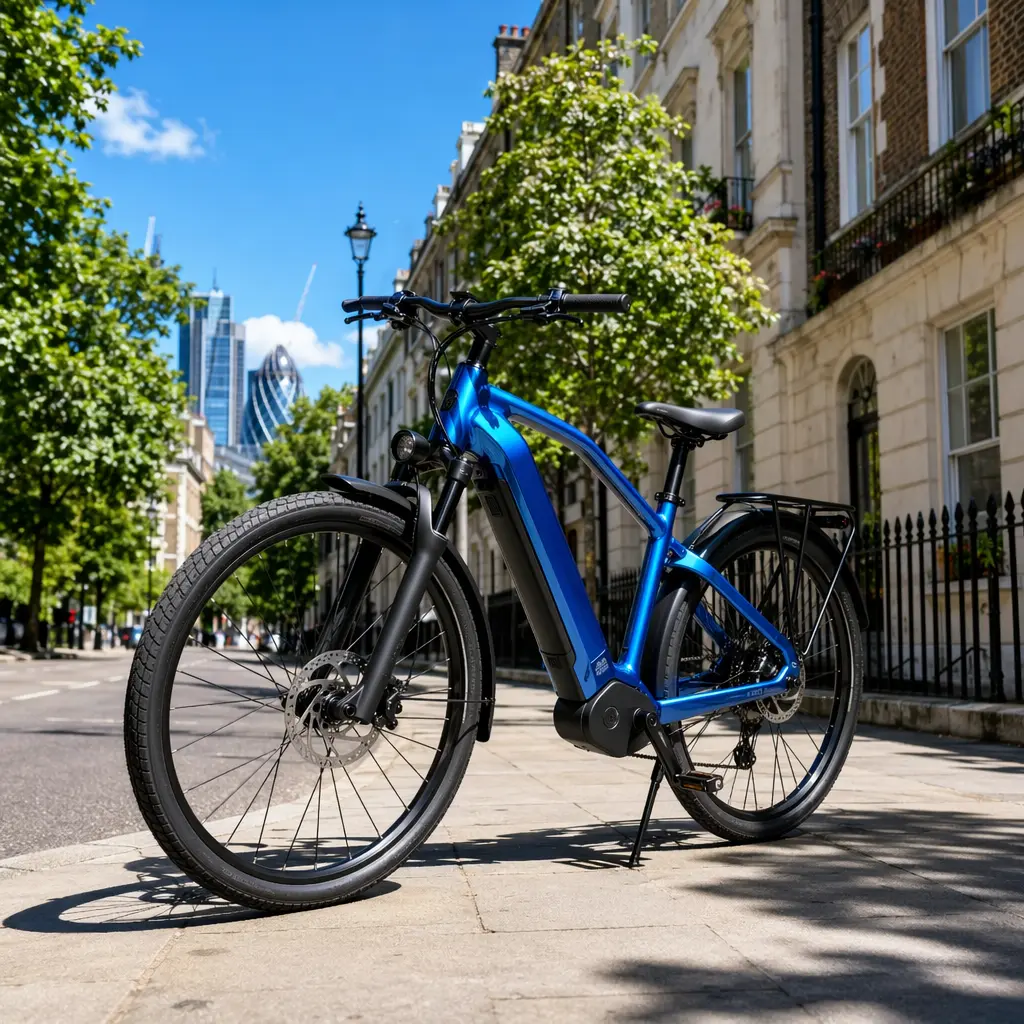
What to look for
At the £2,000+ level, improvements tend to be less about raw speed (all legal e‑bikes assist up to 15.5mph) and more about how smoothly, reliably and quietly the bike delivers that assistance day after day.
- Motor type and performance: Mid‑drive motors are common at this price, offering more natural assistance, better hill climbing and improved efficiency compared with basic rear‑hub motors.
- Battery capacity and management: Expect larger batteries, smarter power management and more consistent range in real‑world UK riding, especially on hilly commutes.
- Frame material and build: Well‑finished aluminium frames dominate, sometimes with integrated battery designs that protect the cells from weather and knocks.
- Brake type: Hydraulic disc brakes are standard, giving stronger, more controllable stopping in wet British conditions.
- Geometry and comfort: More thought‑out riding positions for commuting or leisure, often with vibration‑reducing components.
- Weight distribution: Better balance thanks to centrally mounted motors and batteries, making the bike feel less top‑heavy.
- Included accessories: Many come ready for daily use with mudguards, lights and pannier racks already fitted.
Budget and what you're getting
Compared with sub‑£1,000 e‑bikes, the jump in price mostly pays for refinement rather than headline numbers. Cheaper bikes can still get you from A to B, but higher‑end options usually feel calmer and more predictable under power. Motors respond more smoothly to your pedalling, batteries hold their capacity better over time, and components are chosen with longevity in mind. The trade‑off is that you are paying for durability, support and riding quality rather than extra speed or dramatically longer ranges.
Standout categories or types
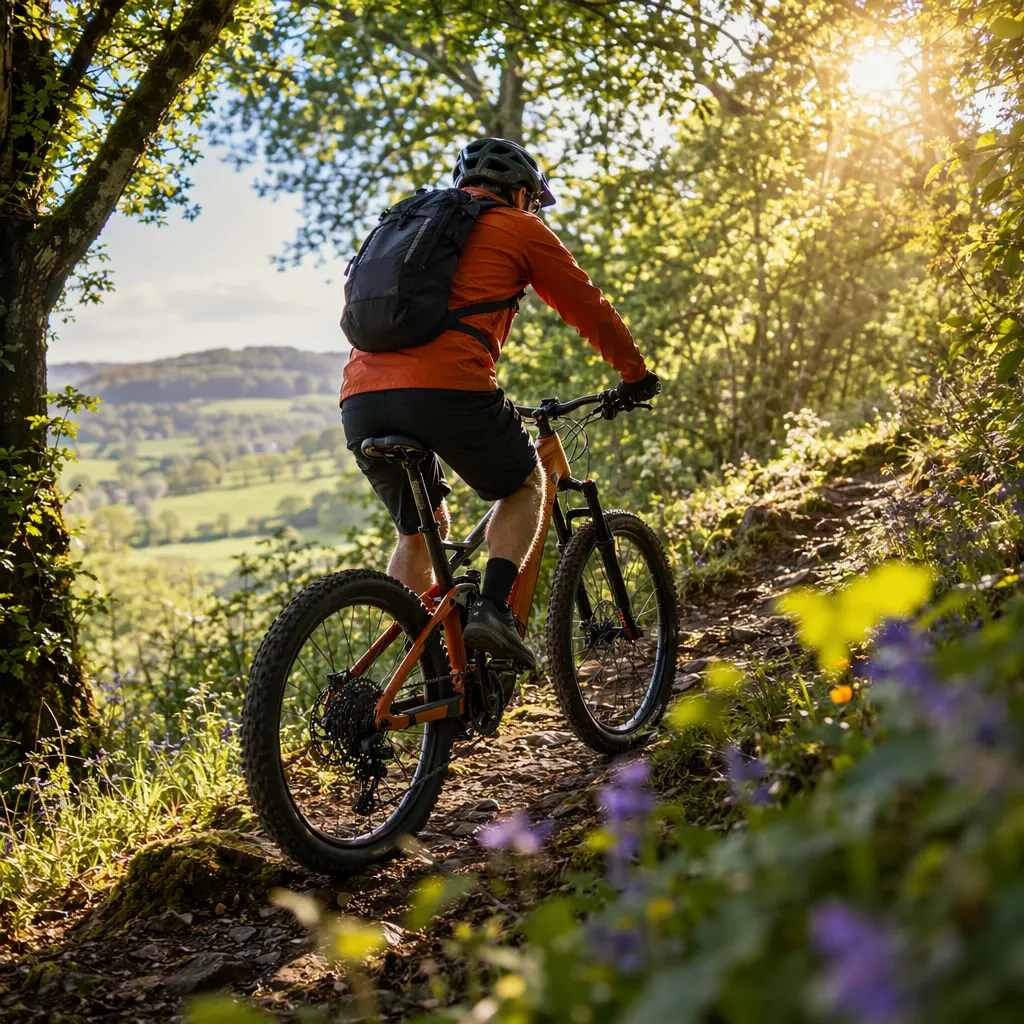
Within the £2,000+ bracket, e‑bikes start to separate into clearer roles. Commuter‑focused models prioritise reliability, weather protection and low maintenance, while leisure and trekking styles lean towards comfort and longer days out.
- Mid‑drive commuters: Strong on hills and traffic lights, with smooth assistance that feels close to normal cycling.
- Integrated‑battery designs: Cleaner looks and better protection, though battery removal can be less convenient.
- Low‑maintenance builds: Belt drives or internal gear hubs sometimes appear at this level, reducing upkeep compared with basic chain setups.
Frequently asked questions
Do £2,000+ e‑bikes go faster?
No. UK‑legal electric bikes are limited to assistance up to 15.5mph. The difference is how smoothly and confidently the bike reaches and holds that speed, especially on hills or into headwinds.
Is battery range much better than cheaper e‑bikes?
Often, yes—but not always dramatically so. Higher‑end batteries tend to deliver their claimed range more consistently and degrade more slowly over time, which matters if you plan to keep the bike for several years.
Are they more reliable?
Generally, higher prices bring better‑tested motors, sealed electrics and stronger after‑sales support. This can mean fewer issues and easier servicing compared with budget imports.
Do I still need to maintain it like a normal bike?
Yes. Tyres, brakes and drivetrains still wear out, and the extra weight can increase wear. The difference is that components are often chosen to cope better with that load.
A £2,000+ electric bike isn’t about bending the rules on speed—it’s about making everyday riding easier, smoother and more dependable. For riders who commute regularly or rely on their bike year‑round, the improvements in motor quality, battery longevity and overall reliability can justify the higher spend. For occasional use, a cheaper option may still do the job, but it’s worth knowing exactly what the extra money buys.
Find these on Amazon
As an Amazon Associate, CheapBikes earns from qualifying purchases.