Best electric bikes £1,000–£2,000 for UK daily commuting
A value-focused guide to choosing an electric bike for UK commuting between £1,000 and £2,000. Covers motors, batteries, real-world range, comfort, and what trade-offs to expect.
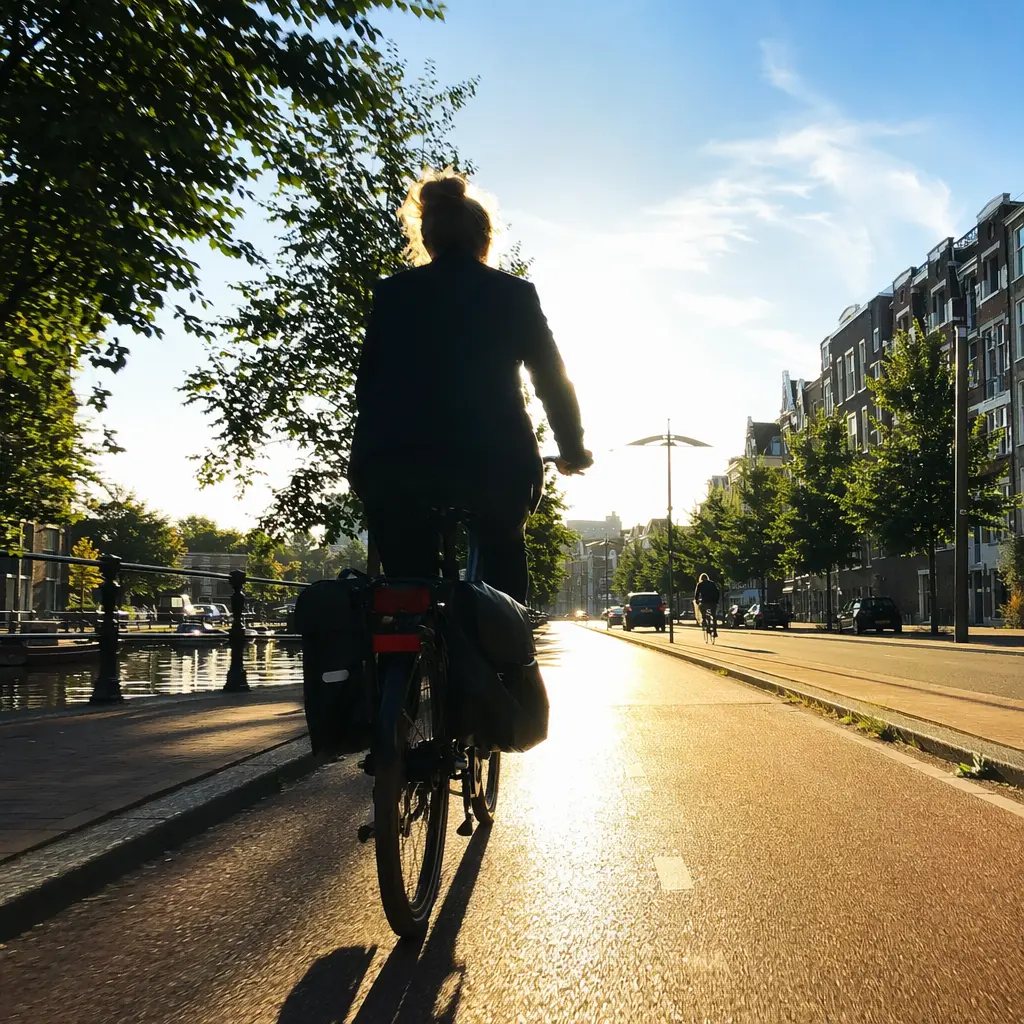
Electric bikes in the £1,000–£2,000 bracket have become a realistic option for everyday UK commuting. This is the price range where you can expect reliable assistance, sensible range for daily trips, and components that cope with year-round use — without paying premium-brand prices. The challenge is knowing which features actually matter for getting to work comfortably and on time.
What to look for
At this budget, most commuter e-bikes share similar core features, but the details make a big difference to day-to-day usability. Focus on the parts that affect reliability, comfort, and running costs rather than headline power figures.
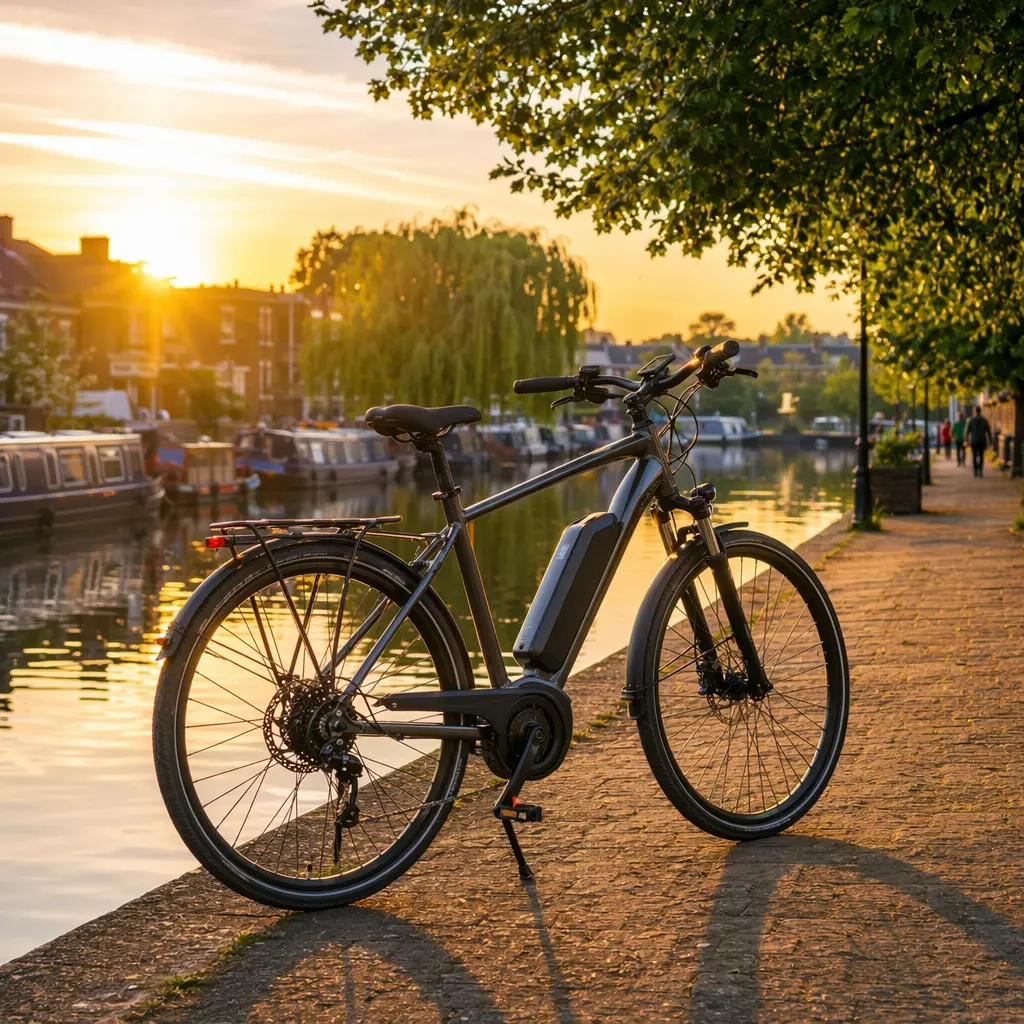
- Motor type: Rear-hub motors are common here — simple, reliable, and perfectly adequate for flatter routes. Mid-drive motors are rarer at this price but offer better hill performance.
- Battery capacity: Look for around 400–500Wh for realistic commuting range without daily charging.
- Real-world range: Expect 25–50 miles depending on assist level, rider weight, hills, wind, and tyre pressure.
- Frame material: Aluminium frames keep weight down and resist corrosion; steel is rarer but can feel more forgiving.
- Brakes: Hydraulic disc brakes are strongly preferable for all-weather stopping power on a heavier e-bike.
- Geometry and fit: An upright or semi-upright position reduces strain and improves visibility in traffic.
- Weight: Many bikes in this range weigh 22–26kg; manageable, but worth checking if you carry it upstairs.
- Included accessories: Mudguards, lights, and a rear rack add real value and save money later.
Budget and what you're getting
Between £1,000 and £2,000, you’re paying for a dependable motor system, a usable battery, and commuter-friendly kit. What you generally won’t get are ultra-light frames, top-tier drivetrains, or very refined motor software. Some components may be own-brand rather than big-name, and finishes may be simpler. That said, performance is more than good enough for daily transport, and running costs remain low compared with public transport or driving.
Standout categories or types
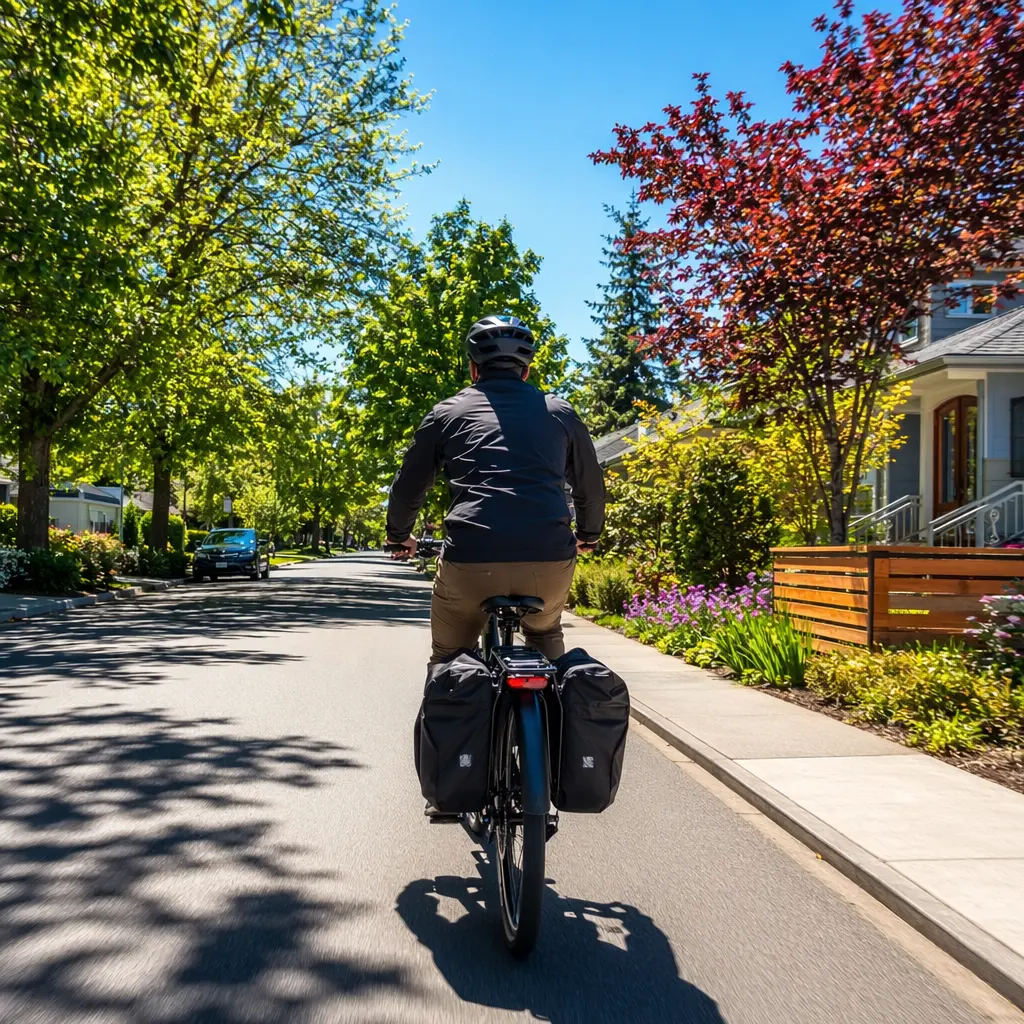
Most commuter e-bikes in this price range fall into the hybrid or city-bike category. They’re designed for tarmac, cycle paths, and light gravel rather than off-road trails.
- Rigid fork commuters: Lighter and more efficient on roads, with fewer parts to maintain.
- Front-suspension hybrids: Add comfort on potholes and rough paths, but increase weight and complexity.
- Step-through frames: Easier mounting in work clothes and popular for stop-start urban riding.
- Diamond frames: Slightly stiffer and often lighter, suiting longer or faster commutes.
Frequently asked questions
How far will an e-bike in this range actually go?
Manufacturers often quote optimistic figures. In UK commuting conditions, a 400–500Wh battery usually delivers 25–50 miles per charge. Cold weather, hills, and higher assist levels reduce range.
Are hub motors good enough for hills?
Yes, for moderate gradients and typical city riding. Very steep or sustained climbs are easier with a mid-drive motor, but many commuters manage perfectly well with a hub motor by using lower assist levels and appropriate gears.
Do I need suspension for commuting?
Not necessarily. Wider tyres at lower pressures often provide enough comfort on roads and cycle paths. Suspension can help on poor surfaces but adds weight and maintenance.
What about servicing and parts?
Most bikes in this bracket use standard bicycle components for brakes and gears, which any UK bike shop can service. Electrical parts are more specific, so check warranty length and local support.
For UK commuters, an electric bike priced between £1,000 and £2,000 offers a strong balance of affordability, performance, and practicality. Prioritise comfort, braking, and battery size over flashy specs, and you’ll end up with a reliable everyday machine that makes regular riding easier and more enjoyable.
Find these on Amazon
As an Amazon Associate, CheapBikes earns from qualifying purchases.