Is an e‑bike worth £1,000–£2,000 for a 5‑mile commute?
A plain‑English look at whether a £1,000–£2,000 e‑bike makes sense for a 5‑mile commute, covering motors, batteries, running costs and what to expect at this budget.
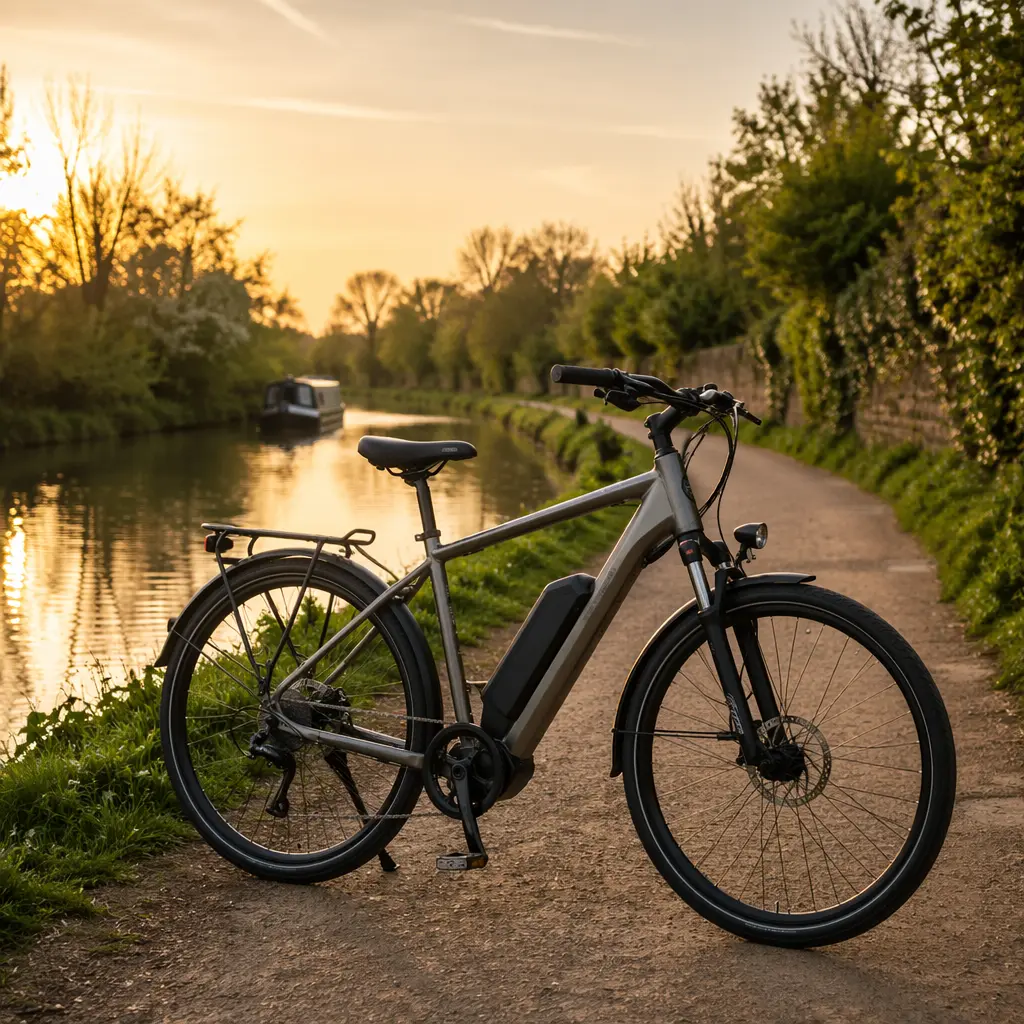
A 5‑mile commute is right in the sweet spot for electric bikes. It’s long enough to break a sweat on a normal bike, but short enough that an e‑bike can replace a car, bus or train without feeling like overkill. With prices now clustering around £1,000–£2,000, many UK riders are asking whether the outlay is justified for everyday travel. This guide looks at what that money buys, what it won’t, and whether an e‑bike makes practical sense for a typical five‑mile ride.
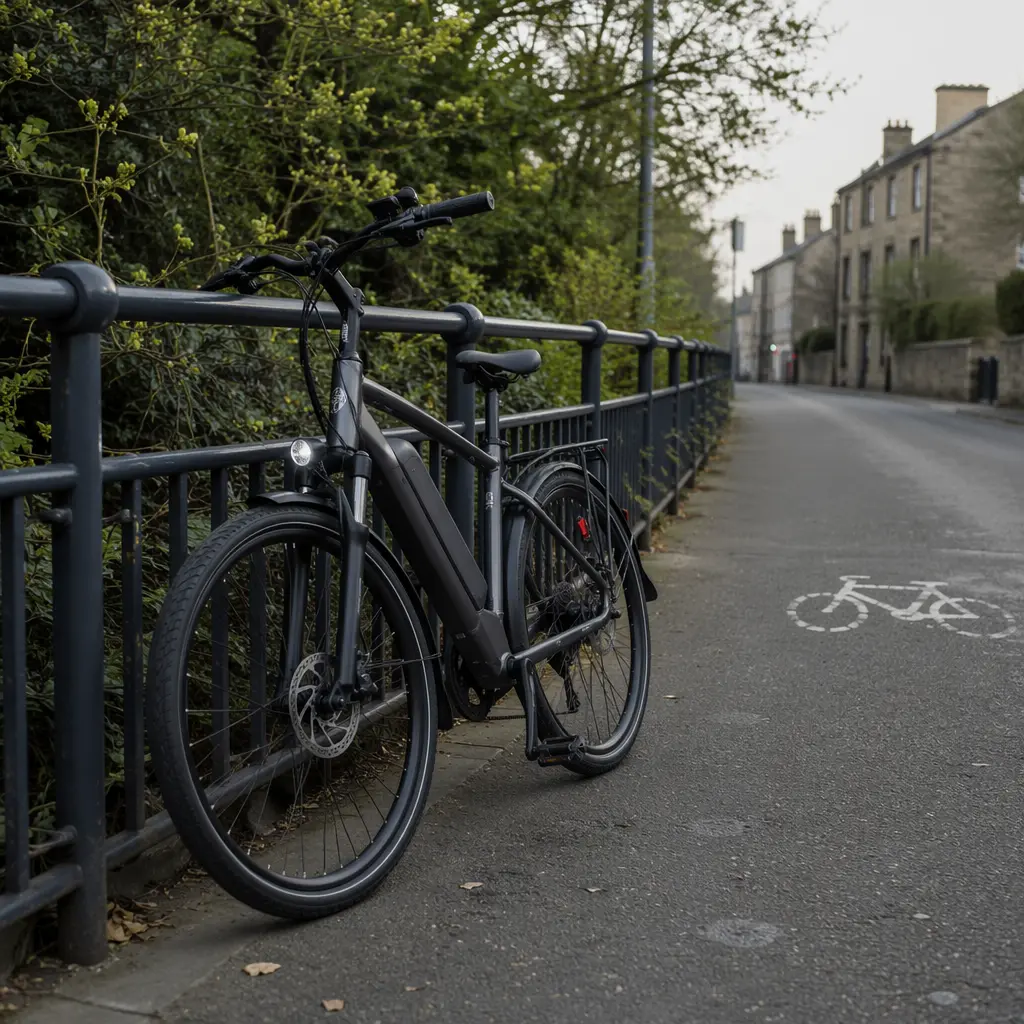
What to look for
At £1,000–£2,000 you’re shopping in the entry to mid‑range e‑bike market. Most bikes here are designed for commuting and leisure riding rather than sport. The details below make the biggest difference to day‑to‑day use.
- Motor type: Rear‑hub motors are most common at this price. They’re simple, quiet and adequate for flatter routes. Mid‑drive motors are rarer but give better hill performance and more natural pedalling.
- Battery capacity: Look for quoted capacity in watt‑hours (Wh). Around 400–500Wh is typical and plenty for several 5‑mile trips between charges.
- Brakes: Mechanical disc brakes are common and acceptable. Hydraulic discs offer better control in wet UK weather, but may push prices higher.
- Frame material: Aluminium frames dominate. They’re light enough for stairs and durable for year‑round commuting.
- Geometry and comfort: Upright geometry reduces strain on back and wrists. Check for room to fit wider tyres for comfort on rough paths.
- Fit and sizing: E‑bikes are heavier than standard bikes, so getting the right size matters for control and confidence.
- Included accessories: Mudguards, rear rack mounts, lights and a chain guard add real commuting value and save extra spend.
Budget and what you're getting
Spending £1,000–£2,000 buys a legal UK‑spec electric bike (250W motor, assistance up to 15.5mph) that’s capable of daily commuting. Expect reliable but basic components rather than premium finishing. Gearing is usually wide‑range but not high‑end, wheels are sturdy rather than light, and displays are simple LCD units. The upside is low running costs: charging a battery typically costs pennies, even with regular use, and routine servicing is similar to a standard bike. The trade‑off is weight and refinement — these bikes are heavier and less polished than higher‑end options, but they get the job done.
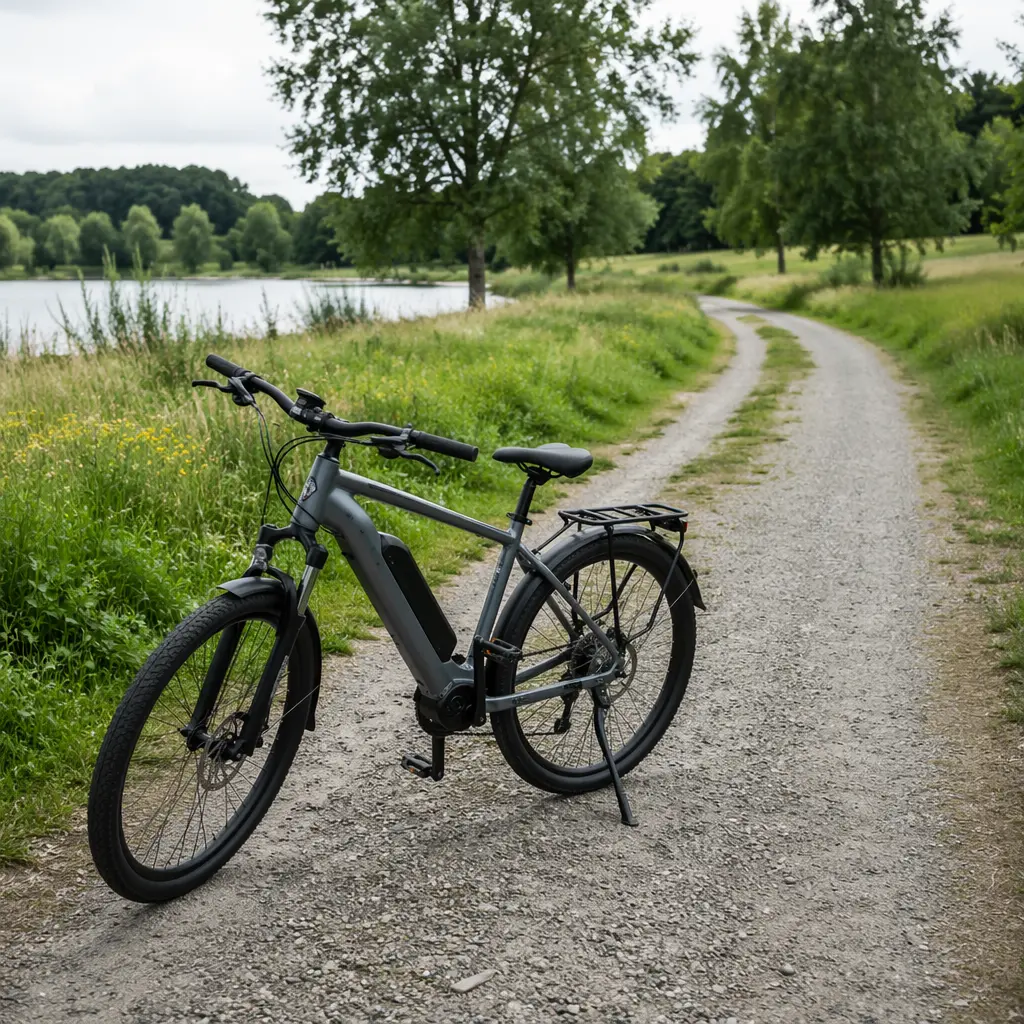
Standout categories or types
For a 5‑mile commute, most riders end up choosing between two main styles: practical commuter e‑bikes and lighter hybrid‑style e‑bikes.
- Commuter‑focused e‑bikes: Usually come with mudguards, lights and a rear rack. Heavier, but ready to ride in all weather with a backpack or panniers.
- Hybrid‑style e‑bikes: Often lighter and sportier, sometimes without accessories. Better if part of the route is faster or includes shared paths, but you may need to add extras.
Front suspension is sometimes included at this price, but for tarmac and cycle paths it’s often unnecessary weight. Rigid forks with wider tyres are usually more efficient and easier to maintain.
Frequently asked questions
Is a 5‑mile commute too short for an e‑bike?
Not at all. Five miles is far enough to benefit from assistance, especially if you want to arrive without sweating, ride in work clothes, or manage hills and headwinds comfortably.
How often will I need to charge the battery?
With a typical 400–500Wh battery, many riders can cover 20–40 miles between charges depending on assistance level. For a 5‑mile commute, charging once or twice a week is common.
Are e‑bikes expensive to maintain?
Maintenance is similar to a normal bike: tyres, brake pads and chains wear at a slightly faster rate due to weight and power. Motors and batteries are sealed units and generally low‑maintenance.
Can I ride it like a normal bike if the battery runs out?
Yes, but it will feel heavier than a non‑electric bike. Assistance cuts out smoothly, so you can still pedal home if needed.
For a 5‑mile commute, a £1,000–£2,000 e‑bike can be very good value. It offers predictable journey times, low running costs and less physical strain than a standard bike. While you won’t get premium components, you do get a practical, legal and efficient alternative to motorised transport that suits everyday UK cycling.
Find these on Amazon
As an Amazon Associate, CheapBikes earns from qualifying purchases.