Are Electric Bikes Under £800 Worth Buying in the UK?
A plain‑English guide to sub‑£800 electric bikes in the UK, explaining range, motor power and battery trade‑offs, what’s realistic at this budget, and who these e‑bikes suit best.
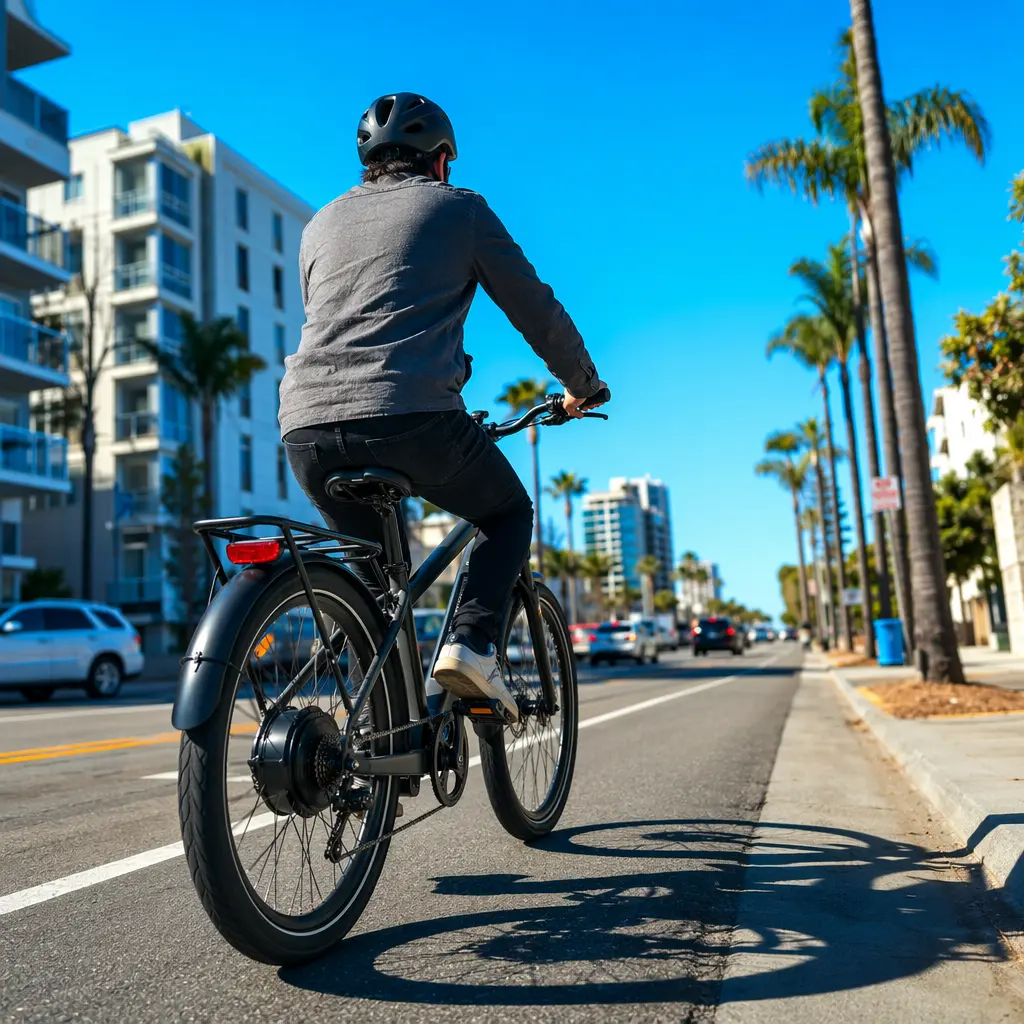
Electric bikes promise easier commutes, longer rides and less sweat — but prices rise quickly. In the UK, £800 is often seen as the lowest realistic entry point for a new e‑bike. Below that, compromises become hard to ignore. So are electric bikes under £800 actually worth buying, or are they false economy?
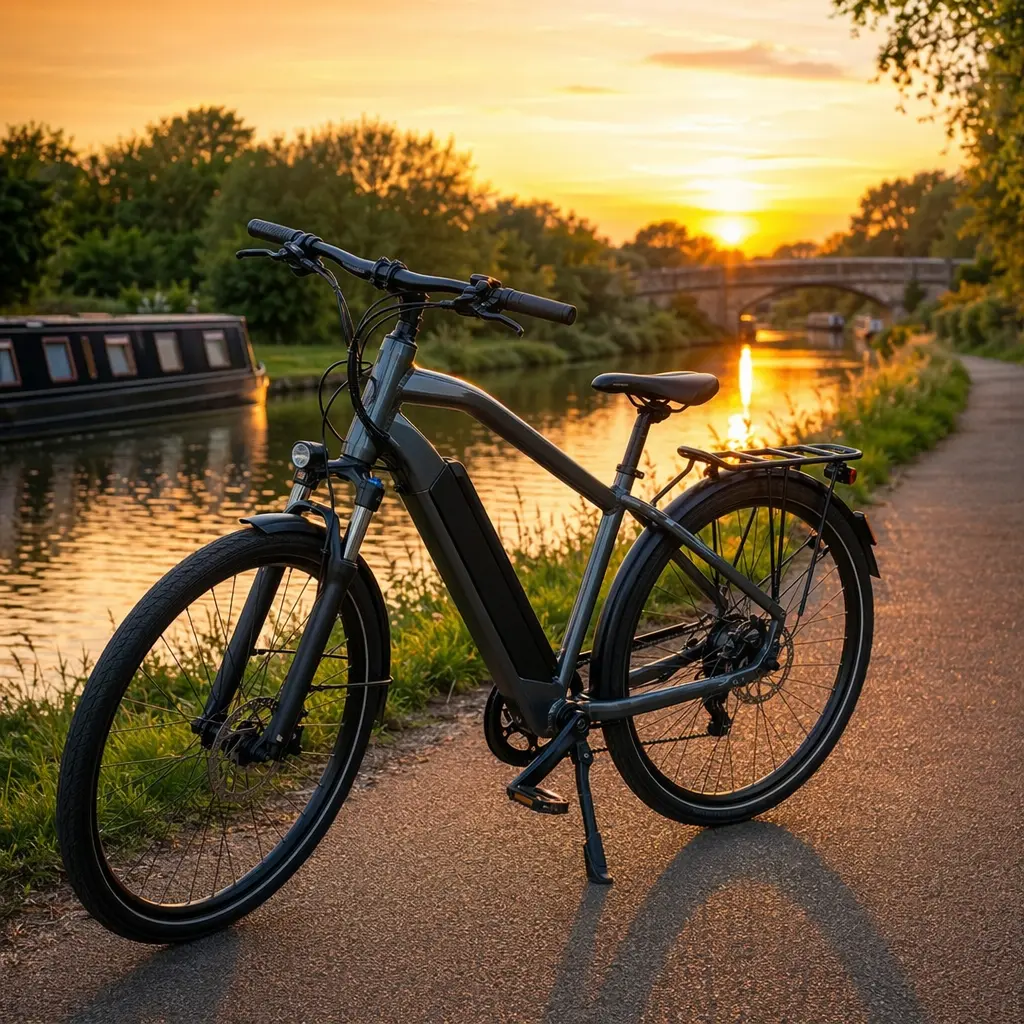
What to look for
At under £800, you’re shopping at the very bottom of the e‑bike market. That doesn’t automatically mean unusable, but it does mean understanding the basics and knowing where corners are likely to be cut.
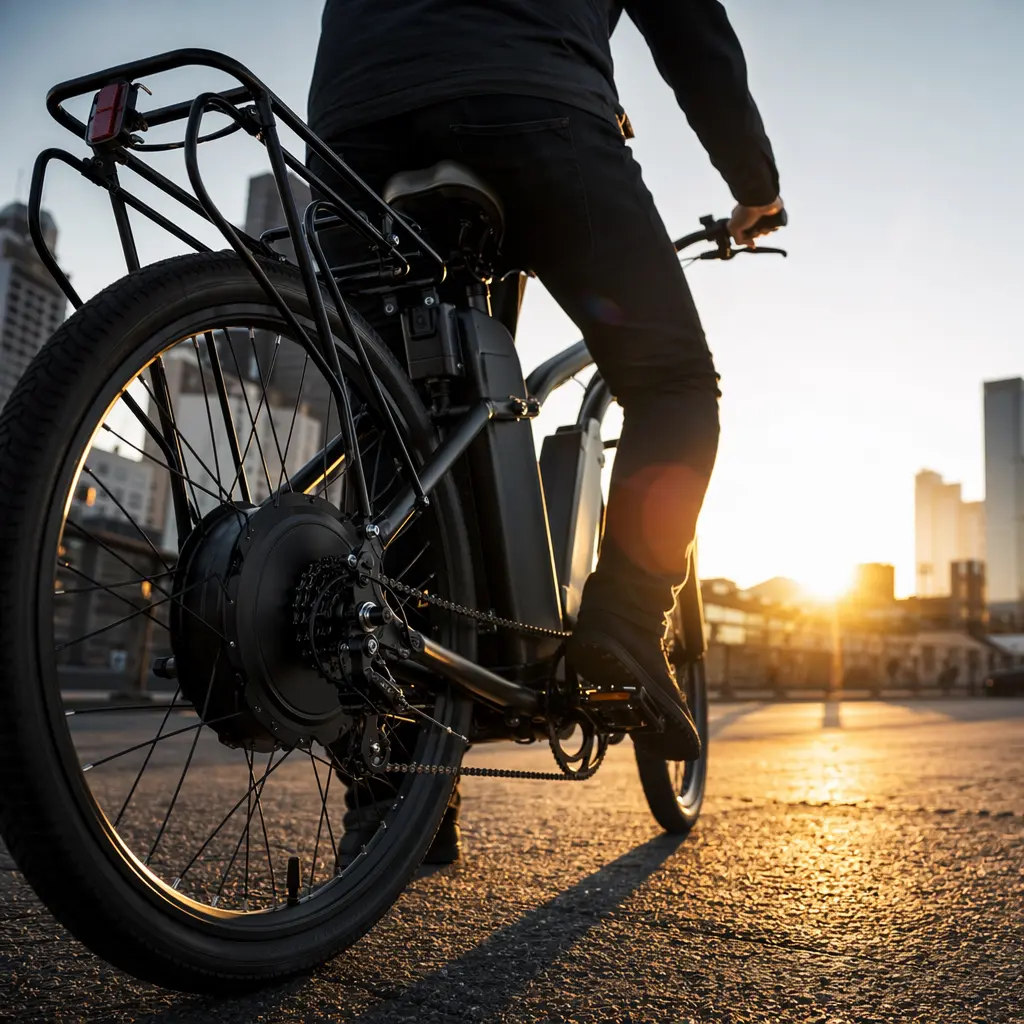
- Motor type and power: Most budget e‑bikes use a rear hub motor rated at 250W to meet UK legal limits. Expect modest assistance rather than punchy acceleration.
- Battery size and range: Smaller batteries are common. Claimed ranges may be 25–40 miles, but real‑world range is often lower, especially with hills or heavier riders.
- Frame material: Aluminium frames are typical and help keep weight down, though tubing may be basic and ride comfort limited.
- Brakes: Mechanical disc brakes are common at this price. They work, but need more frequent adjustment than hydraulic systems.
- Gearing: Simple 6‑ or 7‑speed drivetrains are normal. Fine for flat towns, less ideal for hilly routes.
- Geometry and fit: Expect upright, comfort‑focused geometry, often with limited size options.
- Weight: Budget e‑bikes are usually heavy, often 22–25kg, which matters if you need to carry or store the bike.
- Included accessories: Mudguards, rear racks and lights may be included, but quality varies and lights are often battery‑powered rather than wired in.
Budget and what you're getting
Under £800, the biggest compromises are range, refinement and long‑term durability. Batteries are smaller and use cheaper cells, motors are basic, and components are chosen to hit a price rather than maximise lifespan. Quality control can also be inconsistent, especially with lesser‑known online brands. That said, these bikes can still make sense if your expectations are realistic: short commutes, flatter routes and occasional use rather than daily high‑mileage riding. You’re paying for assistance, not polish.
Standout categories or types
Most e‑bikes under £800 fall into a few predictable categories. Understanding these can help you choose something that fits your riding rather than being swayed by marketing.
- Urban commuter e‑bikes: Upright, simple and designed for short city trips. Often include mudguards and racks, making them practical despite limited range.
- Folding electric bikes: Compact and storage‑friendly, but usually with very small wheels and batteries. Best for mixed train‑and‑bike journeys on flatter ground.
- E‑MTB styled bikes: Look like mountain bikes but usually lack suspension quality and power. Better seen as rugged commuters than trail bikes.
- Single‑size frames: Common at this price and workable for many riders, but fit can be a gamble if you’re very tall or short.
Frequently asked questions
Are sub‑£800 e‑bikes legal in the UK?
Yes, as long as they meet EAPC rules: a maximum 250W motor, assistance only while pedalling, and a cut‑off at 15.5mph. Be cautious of unclear listings that hint at throttles or higher speeds.
What range can I realistically expect?
In real UK riding, many budget e‑bikes manage 15–25 miles per charge. Heavier loads, cold weather and hills will reduce this further.
Are the batteries replaceable?
Usually yes, but replacements can be expensive or hard to source. This is why buying from a seller with ongoing support is important.
Do they cost more to maintain?
Running costs are low, but expect more frequent brake and drivetrain wear due to weight. Battery replacement is the biggest long‑term cost.
Should I buy used instead?
A used mid‑range e‑bike can be better value, but battery health is hard to judge. Without proof of condition, a new budget bike with warranty can be the safer choice.
In short, electric bikes under £800 can be worth buying — but only for the right rider. If you need gentle assistance for short, regular trips and understand the limits on range and quality, they can open the door to e‑cycling. For longer commutes, hills or daily heavy use, spending more upfront often saves money and frustration in the long run.
Find these on Amazon
As an Amazon Associate, CheapBikes earns from qualifying purchases.