Best Electric Cargo Bikes Under £2,000
A practical guide to electric cargo bikes under £2,000, covering family hauling, battery range, carrying capacity and the trade-offs to expect at this price point.
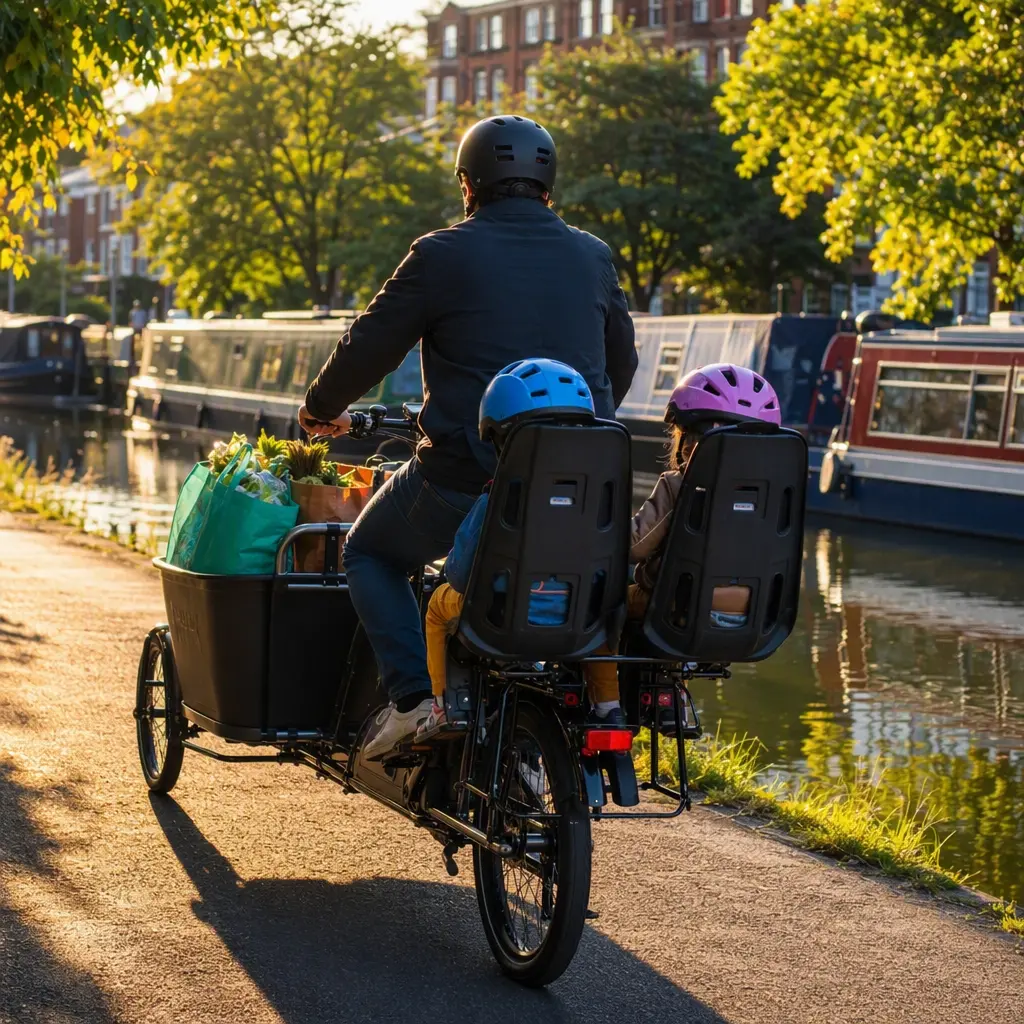
Electric cargo bikes have become a realistic alternative to a second car for school runs, shopping and short-distance commuting, but prices can climb quickly. In the £1,000–2,000 range, buyers can now find practical longtail and compact cargo e-bikes that handle everyday family hauling without stretching into premium territory. The challenge is balancing battery range, carrying capacity and build quality while avoiding features that look impressive on paper but add little real-world value.
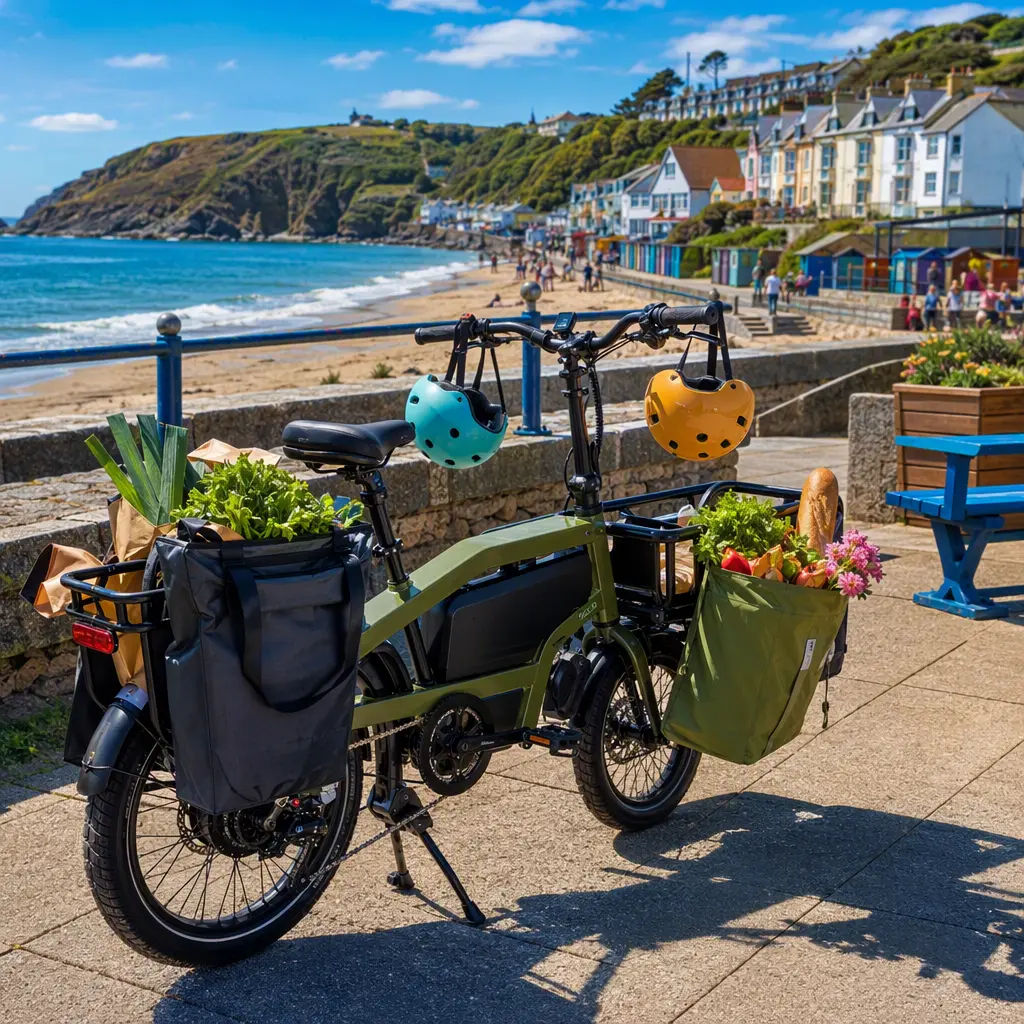
What to look for
A good budget cargo e-bike should feel stable when loaded, offer enough range for repeated trips and include mounting points for practical accessories. Most bikes in this price bracket use rear-hub motors rather than more expensive mid-drive systems, which can still work well for flatter urban routes and moderate loads. Think carefully about where and how the bike will be stored too, as cargo bikes are often longer and heavier than standard e-bikes.
- Gearing should be low enough for climbing hills with children or shopping onboard
- Aluminium frames are common and help keep weight manageable compared with steel
- Hydraulic disc brakes are preferable for stopping power in wet UK conditions
- Longtail geometry improves stability when carrying passengers or bulky loads
- Check rider sizing carefully, especially with one-size cargo frames
- Many budget cargo e-bikes weigh over 30kg before accessories are added
- Useful included extras can include mudguards, rear racks, lights and kickstands
Budget and what you're getting
At under £2,000, it is realistic to expect compromises compared with premium cargo e-bikes costing twice as much. Battery sizes are often smaller, meaning heavily loaded rides or steep hills can reduce claimed range significantly. Components such as drivetrains, tyres and displays may also be more basic, though still perfectly serviceable for everyday use. Some cheaper bikes focus heavily on motor power figures while overlooking comfort, braking or load stability, so it is worth looking at the complete package rather than headline specifications alone. For school runs and local errands, many riders will find that a simpler setup with reliable accessories delivers better long-term value than chasing maximum speed or oversized batteries.

Standout categories or types
The most common option under £2,000 is the longtail cargo e-bike. These stretch the rear section of the frame to create space for child seats, panniers or cargo platforms while remaining narrower and easier to store than front-box cargo bikes. They generally ride more like standard bicycles, which can make the transition easier for new users.
Compact cargo e-bikes are another growing category. These use smaller wheels and shorter wheelbases to improve manoeuvrability in towns and make storage easier in sheds or hallways. They may carry slightly less overall weight than larger longtail designs, but they can suit urban riders who need practicality without the bulk of a full-size cargo bike.
- Longtail cargo e-bikes prioritise carrying capacity and passenger space
- Compact cargo e-bikes are easier to store and navigate through traffic
- Front-suspension forks add comfort on rough roads but also extra weight
- Rigid forks are lighter and usually require less maintenance
- Step-through frames can make frequent stop-start riding more convenient
- Fat tyres improve comfort and stability but may reduce efficiency and range
Frequently asked questions
How much range can you expect from a budget cargo e-bike?
Real-world range depends heavily on load, terrain, rider weight and assist level. For school runs and urban errands, many budget cargo bikes manage around 20–45 miles per charge. Carrying children or riding hilly routes can reduce this noticeably.
Are cargo e-bikes difficult to ride?
They can feel unusual at first because of the extra length and weight, especially at low speeds. Most riders adapt quickly after a few short rides. Stable handling and a strong kickstand make a noticeable difference when loading children or shopping.
Can a cargo e-bike replace a car?
For some households, yes. They are particularly useful for short local journeys, nursery runs and supermarket trips. Weather, storage space and route quality still matter, and longer motorway-style journeys are obviously less practical by bike.
What accessories are worth budgeting for?
Panniers, child seats, weather covers and heavy-duty locks are among the most useful additions. A quality helmet, bright rechargeable lights and puncture-resistant tyres are also worthwhile for regular year-round riding.
Do heavier cargo bikes cost more to maintain?
Tyres, brake pads and drivetrains can wear faster because of the extra weight being carried. Choosing commonly available components and keeping the bike clean and regularly serviced helps keep long-term costs manageable.
A budget electric cargo bike will not match the refinement or carrying ability of premium models, but there are increasingly capable options available below £2,000. Prioritising stable handling, practical accessories and realistic battery performance usually leads to a better ownership experience than focusing on headline motor figures alone. For many riders, that is enough to make daily school runs and local errands far easier without relying on the car for every trip.
Find these on Amazon
As an Amazon Associate, CheapBikes earns from qualifying purchases.