Single-Speed vs Geared Commuter Bikes for UK Cities
Choosing between a single-speed and a geared commuter bike comes down to hills, maintenance and daily mileage. This guide compares costs, comfort and practicality for UK city riding.
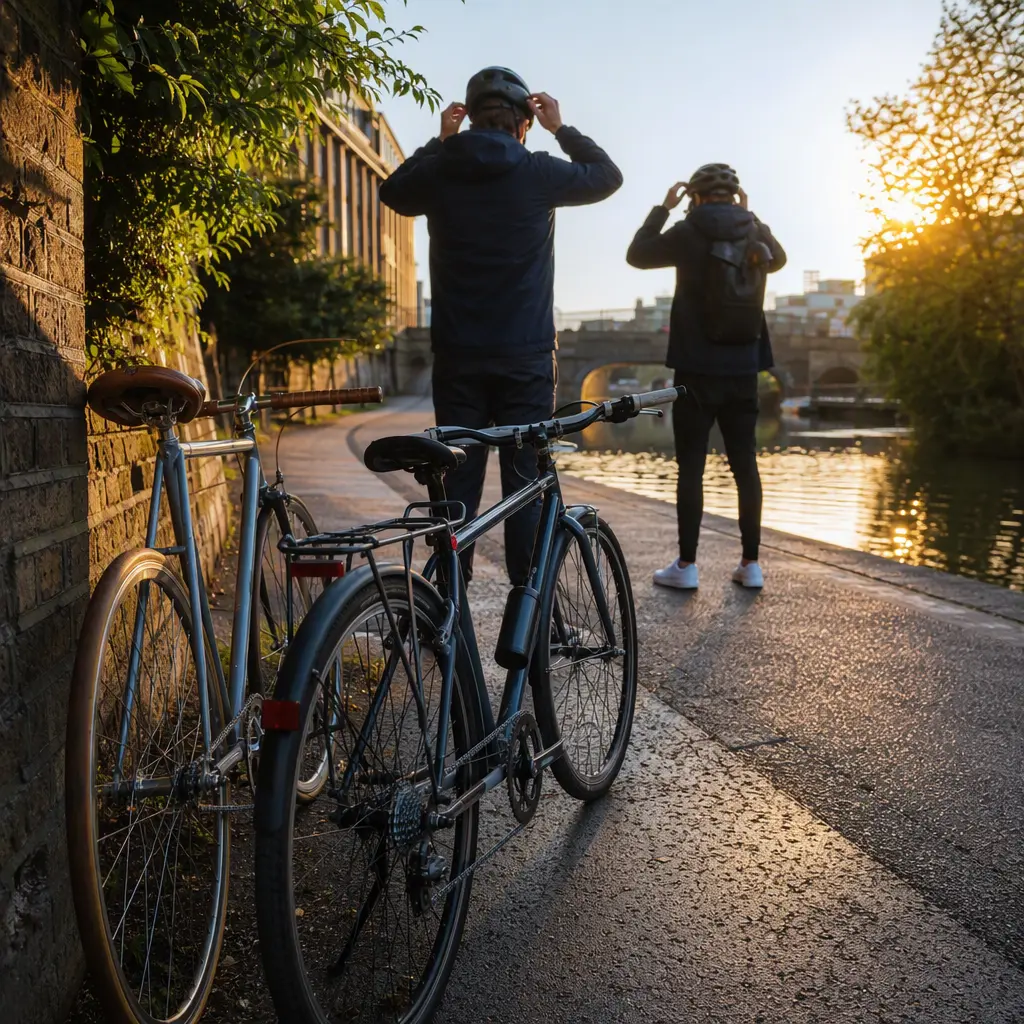
For daily commuting in UK cities, the choice between a single-speed and a geared bike can affect everything from maintenance costs to how comfortable the ride feels on hills and longer journeys. Some riders want a simple, low-fuss bike for flat urban routes, while others need easier climbing gears, luggage capacity and flexibility in mixed terrain. Understanding the trade-offs helps avoid overspending on features that may never be used — or buying a bike that feels limiting after a few weeks of commuting.
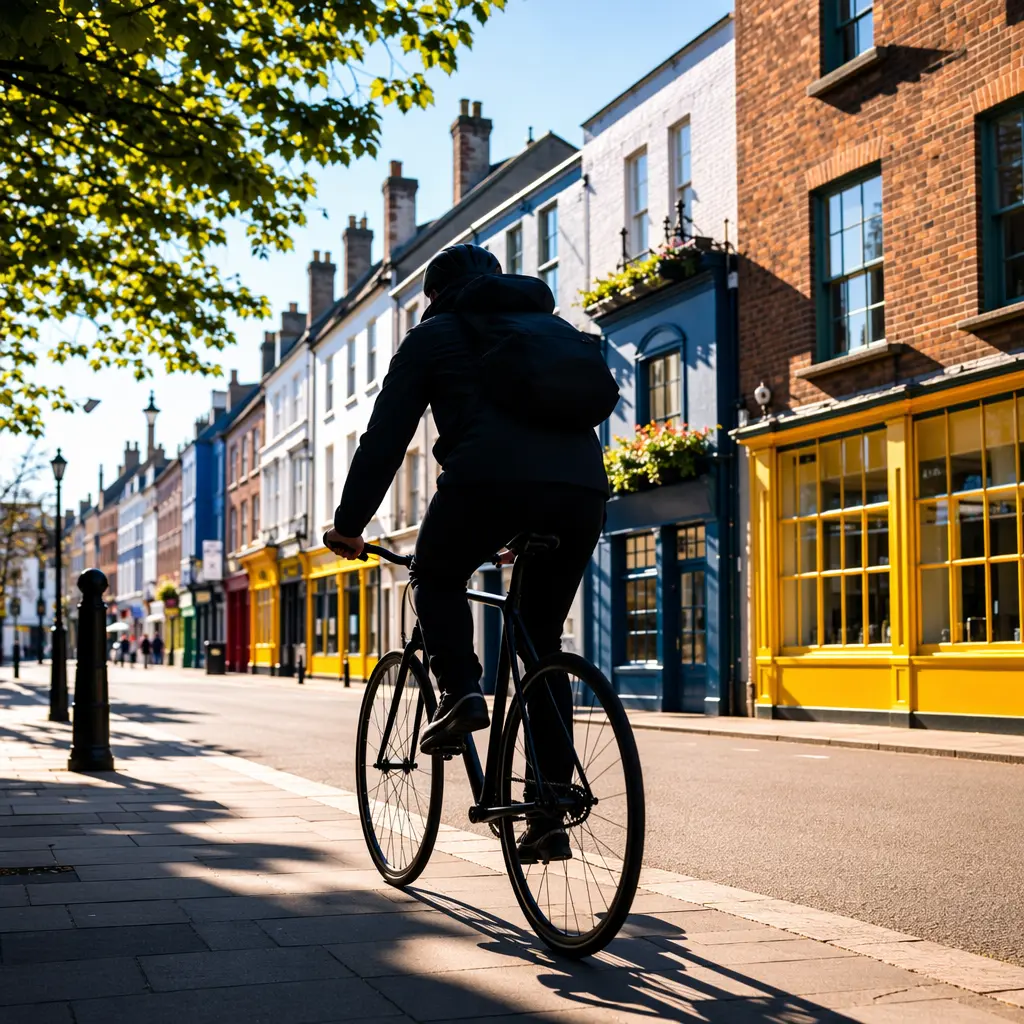
What to look for
A commuter bike should match the terrain, distance and conditions of the journey rather than simply following trends. Single-speed bikes appeal because they are mechanically simple and often lighter, while geared bikes offer more flexibility for hills, headwinds and carrying extra weight. Before buying, it is worth thinking about year-round practicality as well as the ride itself.
- Gearing: single-speeds suit flatter routes and shorter commutes, while multiple gears help with steep hills, bridges and longer distances.
- Frame material: aluminium frames are common for affordable commuters because they resist corrosion and keep weight reasonable; steel frames can feel smoother but are often heavier.
- Brake type: disc brakes cope better in wet weather, though rim brakes remain cheaper and easier to maintain.
- Geometry: upright riding positions improve visibility and comfort in traffic, while sportier setups feel quicker but less relaxed.
- Fit: correct sizing matters more than drivetrain choice for comfort and efficiency on daily rides.
- Weight: lighter bikes are easier to carry upstairs or onto trains, but ultra-light builds usually increase the price.
- Included accessories: mudguards, pannier racks and dynamo lighting can save money compared with fitting them later.
Budget and what you're getting
At entry-level prices, single-speed commuter bikes often provide better components for the money because there are fewer moving parts to pay for. A basic geared bike at the same price may use heavier drivetrains or lower-cost shifters. However, geared commuters can still represent better long-term value for riders dealing with regular hills or longer journeys, since the easier pedalling may encourage more frequent riding. Maintenance costs are usually lower on single-speeds because there are no derailleurs or complex gear systems to adjust, although tyre wear, brake servicing and chains still need attention on both types.

Standout categories or types
Single-speed commuter bikes are popular in flatter cities because they are quiet, clean-looking and straightforward to maintain. Without multiple gears, there is less to adjust and fewer components exposed to winter road grime. They are often a good fit for shorter urban journeys where stop-start traffic matters more than top speed. Some riders also prefer the direct pedalling feel and cleaner handlebars without shifters.
Geared commuter bikes cover a much broader range of riding styles. Hybrid bikes with wide-range gearing suit mixed terrain, canal paths and longer suburban commutes, while city-focused commuters may combine internal hub gears with mudguards and chain guards for lower maintenance. Riders carrying panniers, laptops or shopping often benefit from gears because extra weight becomes noticeable on inclines. In hilly UK cities such as Bristol, Sheffield or Edinburgh, geared setups are usually more practical for everyday riding.
- Rigid commuter bikes are lighter and more efficient on roads than front-suspension hybrids.
- Internal hub gears reduce maintenance and work well in wet weather but can raise the purchase price.
- Single-speed bikes usually have a cleaner appearance and lower servicing costs.
- Wide tyres improve comfort on rough urban roads even without suspension.
- Flat handlebars provide stable handling in traffic, while drop bars suit longer or faster commutes.
Frequently asked questions
Are single-speed bikes harder to ride?
They can feel harder on steep climbs because there is only one gear ratio available. On flatter routes, many riders find them efficient and easy to manage in traffic.
Do geared bikes cost much more to maintain?
Servicing is usually slightly more expensive because derailleurs, cables and shifters need adjustment over time. The difference is often modest if the bike is cleaned and maintained regularly.
Which type is better for wet UK weather?
Both can handle wet conditions well if fitted with quality tyres and mudguards. Geared bikes with enclosed hub gears tend to cope particularly well with winter grime because fewer moving parts are exposed.
Is a single-speed suitable for longer commutes?
It depends on fitness, terrain and luggage. Many riders comfortably use single-speeds for urban commutes under around 10 miles, but gears become more useful as distance and hills increase.
Can you add accessories to both types?
Yes. Many commuter bikes support mudguards, pannier racks and lights regardless of drivetrain style. Checking mounting points before buying is worthwhile if daily practicality matters.
The best commuter bike is usually the one that fits the route and encourages regular riding. Single-speeds offer simplicity, lower maintenance and a clean urban feel, while geared bikes provide flexibility for hills, longer distances and carrying extra kit. For many UK commuters, terrain and daily mileage are the deciding factors rather than speed alone.
Find these on Amazon
As an Amazon Associate, CheapBikes earns from qualifying purchases.