Best commuter bikes £300–£500 for UK roads
A value-focused guide to commuter bikes between £300–£500. Learn what to look for in gearing, tyres, brakes and durability for daily UK rides, plus honest trade-offs at this price.
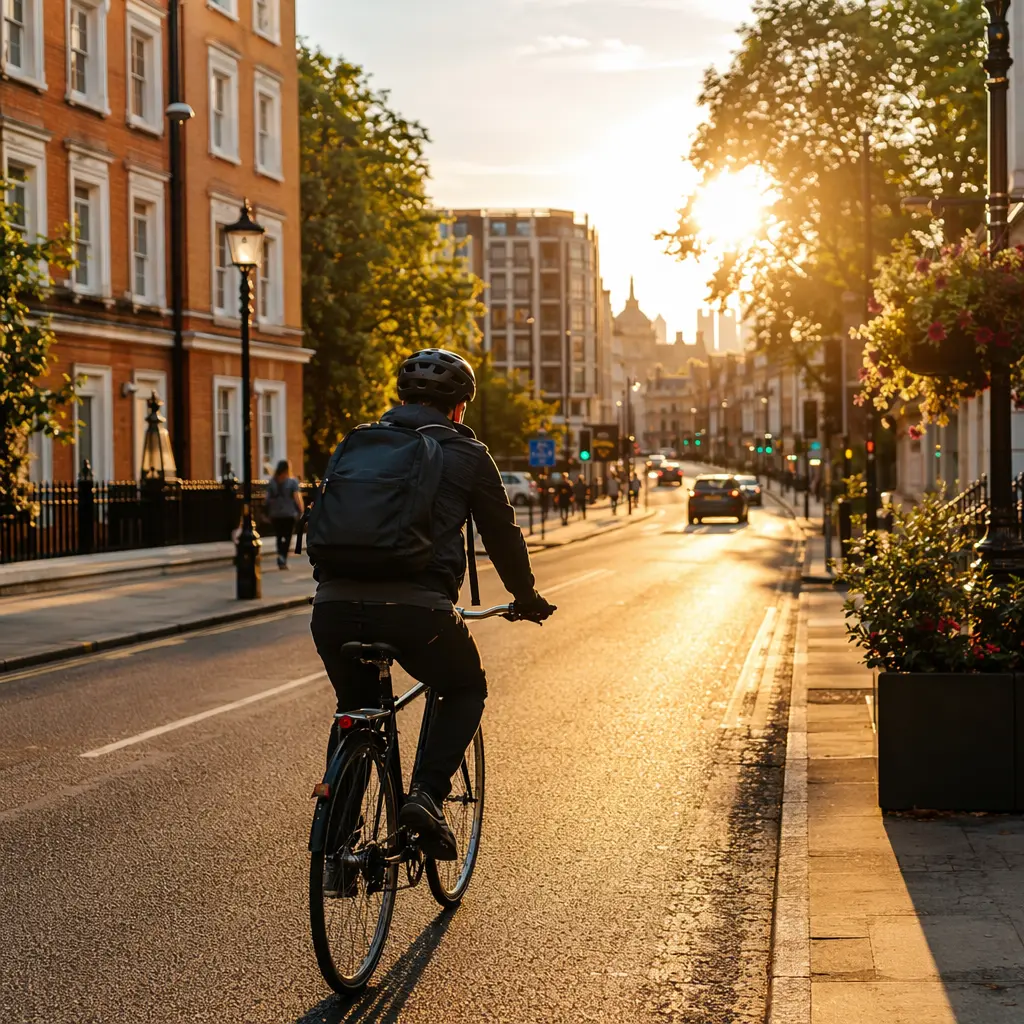
Finding a dependable commuter bike for UK roads on a £300–£500 budget is about balancing durability, comfort and low running costs. This price band is popular because it can cover daily trips to work, college or the shops without tipping into specialist or high-maintenance territory. The challenge is choosing features that matter for stop-start traffic, mixed road surfaces and year-round weather, while avoiding extras that add cost but little real-world benefit.
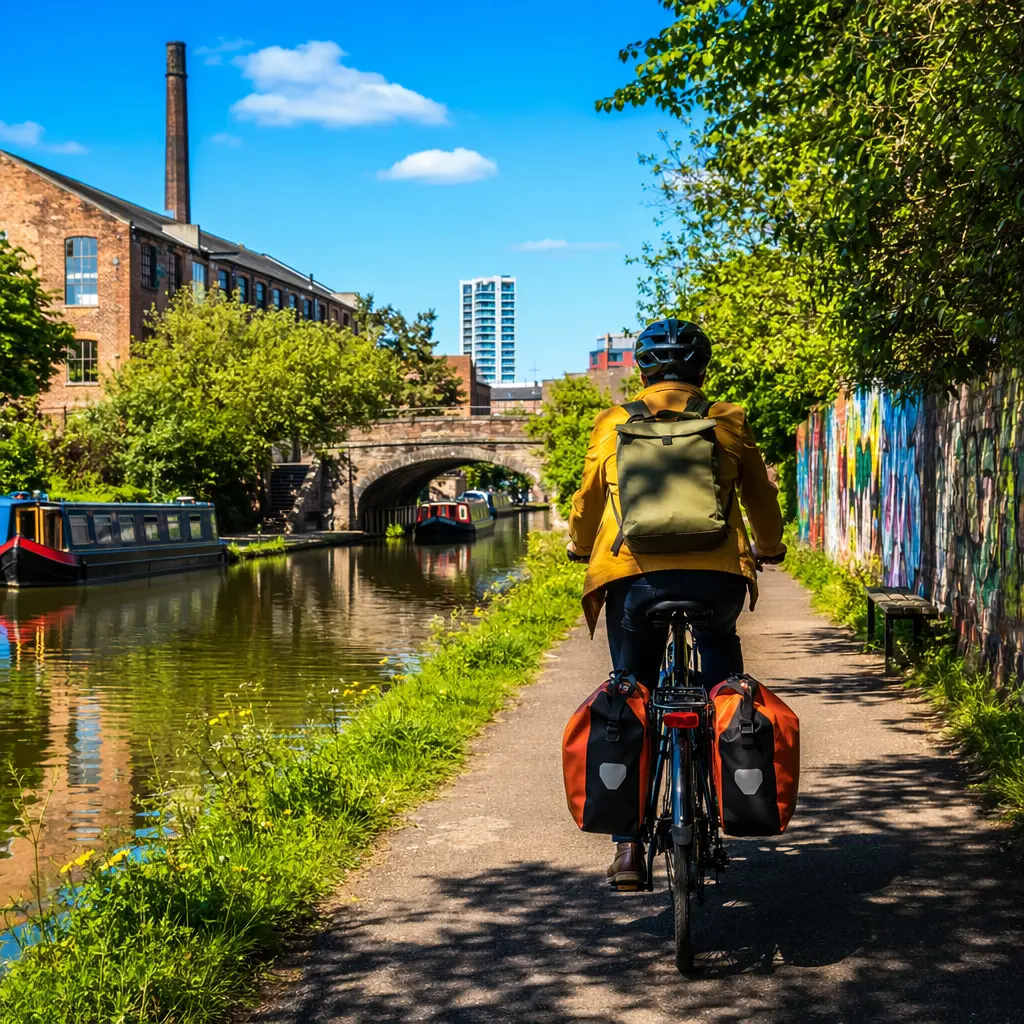
What to look for
At £300–£500, the best commuter bikes focus on practical components that hold up to daily use. Prioritise parts that affect reliability and comfort before worrying about speed or weight savings.
- Gearing: Wide-range gearing helps with hills and loaded rides. Simple 1x or 2x setups are easier to live with than complex multi-ring systems.
- Frame material: Aluminium frames dominate this bracket for their corrosion resistance and low weight. Steel can be more comfortable but may add weight.
- Brake type: Mechanical disc brakes offer consistent stopping in wet weather. Rim brakes are cheaper and lighter but wear faster in grit and rain.
- Geometry: An upright, stable riding position suits traffic and longer commutes better than aggressive, stretched-out designs.
- Fit: Correct frame size matters more than brand. Look for enough standover clearance and a comfortable reach to the bars.
- Weight: Lighter is nicer to carry upstairs, but a slightly heavier bike with tougher wheels can be better for potholes.
- Included accessories: Mudguards, racks and kickstands save money if fitted as standard and make commuting simpler.
Budget and what you're getting
In the £300–£500 range, you are paying for solid basics rather than premium finishing. Frames and forks are usually alloy, drivetrains are functional rather than flashy, and wheels are built for strength over lightness. You may see heavier tyres, basic saddles and fewer adjustment options, but the upside is robustness. Expect components that are easy to replace and service at local bike shops, which keeps long-term costs down. What you generally won’t get are hydraulic brakes, lightweight wheelsets or integrated lighting systems.
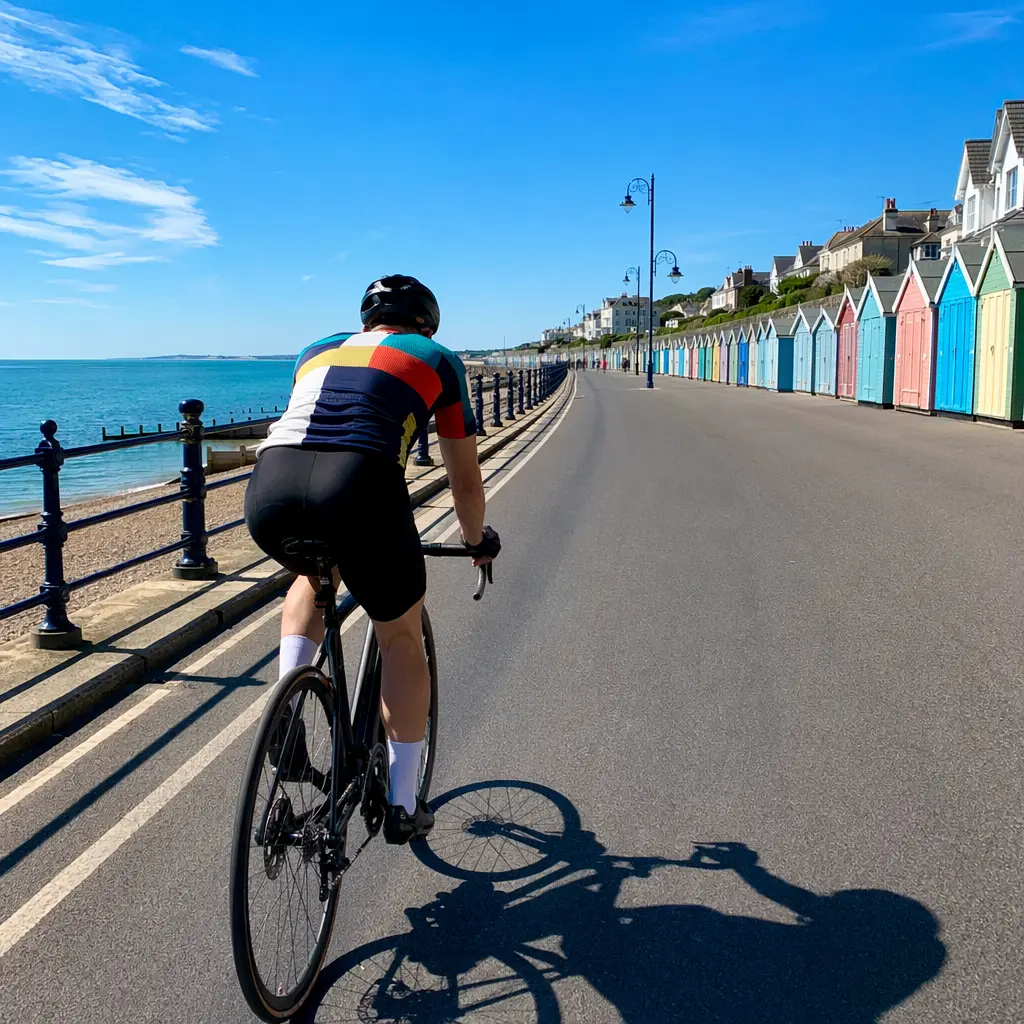
Standout categories or types
Most commuter bikes in this bracket fall into a few clear categories. Understanding the differences helps narrow your choice quickly.
- Flat-bar road or hybrid bikes: Fast-rolling tyres and a comfortable upright position make these ideal for tarmac-heavy commutes.
- Rigid vs front-suspension: Rigid forks are lighter and need less maintenance. Basic suspension forks add comfort on rough paths but can feel heavy and inefficient.
- Alloy vs steel frames: Alloy keeps weight down and resists rust. Steel offers a smoother ride feel but may need more care in winter conditions.
- Accessory-ready designs: Frames with eyelets for racks and full mudguards are better for year-round commuting than stripped-back sportier options.
Frequently asked questions
Is £300–£500 enough for a daily commuter?
Yes, for most riders. This budget covers reliable frames, sensible gearing and weather-appropriate brakes. Regular maintenance matters more than chasing higher-end parts.
What tyres suit UK roads best?
Look for tyres around 32–38mm wide with puncture protection. They balance speed with comfort and cope well with rough tarmac and cycle paths.
Are disc brakes necessary for commuting?
They are not essential, but mechanical discs perform better in the wet and reduce rim wear. For all-weather commuting, they are a practical upgrade.
Should I buy online or from a local shop?
Online deals can stretch your budget further, but local shops add value with fitting advice and after-sales support. Factor in setup costs if buying online.
A commuter bike in the £300–£500 range can be a dependable workhorse for UK roads if you focus on fit, durability and practical features. Choose simplicity over gimmicks, and you’ll end up with a bike that makes daily riding easier, cheaper and more enjoyable over the long term.
Find these on Amazon
As an Amazon Associate, CheapBikes earns from qualifying purchases.