Best commuter bikes £1,000–£2,000 for year‑round UK riding
A practical buyer’s guide to commuter bikes between £1,000 and £2,000, focusing on durability, comfort and low‑maintenance features that suit year‑round UK riding.
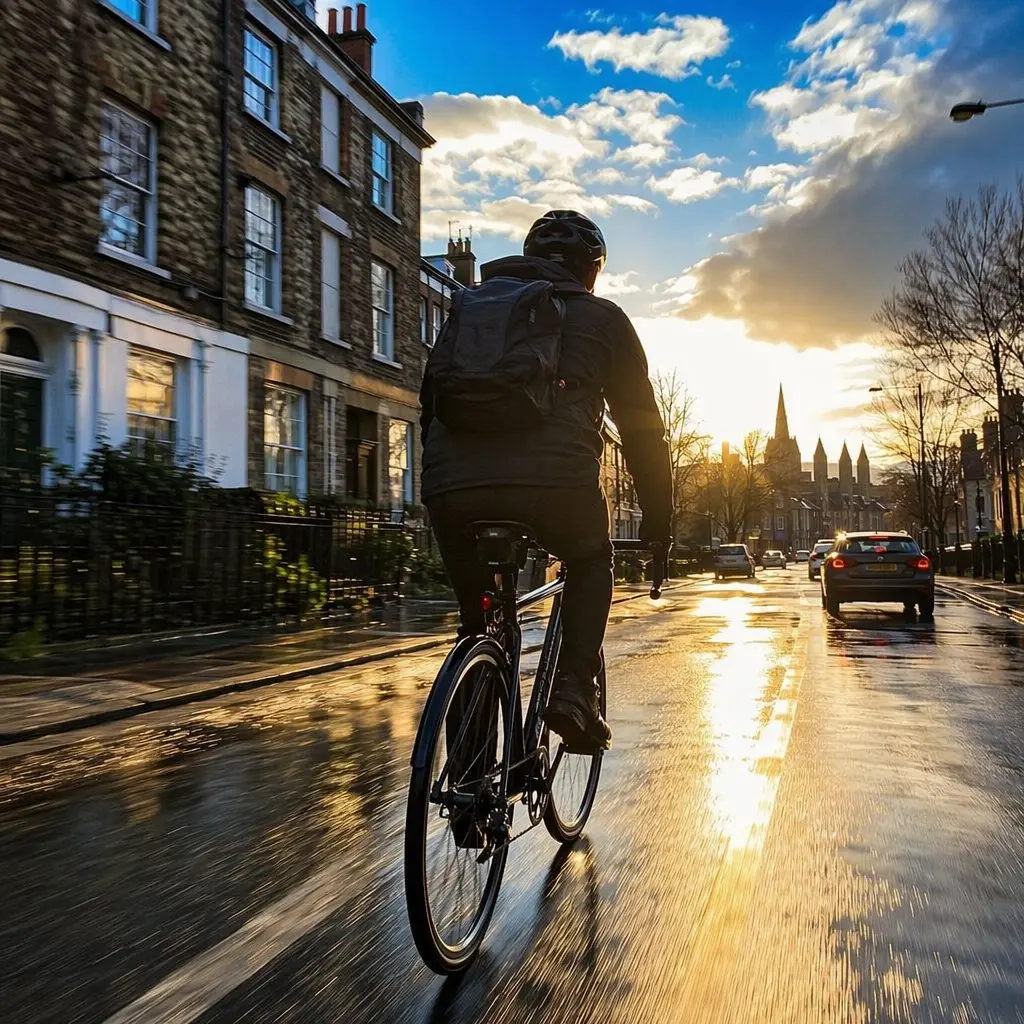
For many UK riders, a commuter bike isn’t a weekend toy — it’s daily transport in rain, grit and winter darkness. With a budget of £1,000–£2,000, you’re looking for a bike that prioritises reliability, comfort and low maintenance over outright speed. This guide explains what that money buys, what matters most for year‑round riding, and how to choose a commuter that keeps working when conditions are at their worst.
What to look for
At this price range, you should expect a well‑finished bike designed to cope with daily use rather than cutting corners. The following features make the biggest difference to comfort, running costs and reliability across all seasons.
- Gearing: Wide‑range gearing helps with hills and carrying luggage. Internal hub gears or simple 1x drivetrains reduce maintenance in wet weather.
- Frame material: Aluminium is common and corrosion‑resistant; steel offers a smoother ride and can be easier to repair if damaged.
- Brake type: Hydraulic disc brakes are now standard at this level and offer consistent stopping power in rain and winter grime.
- Geometry: An upright or moderately relaxed position improves visibility in traffic and reduces strain on longer commutes.
- Fit and sizing: Correct frame size matters more than any component upgrade. Look for adjustable stems and seatposts.
- Weight: Lighter bikes are easier to carry upstairs, but durability often matters more than shaving a kilo or two.
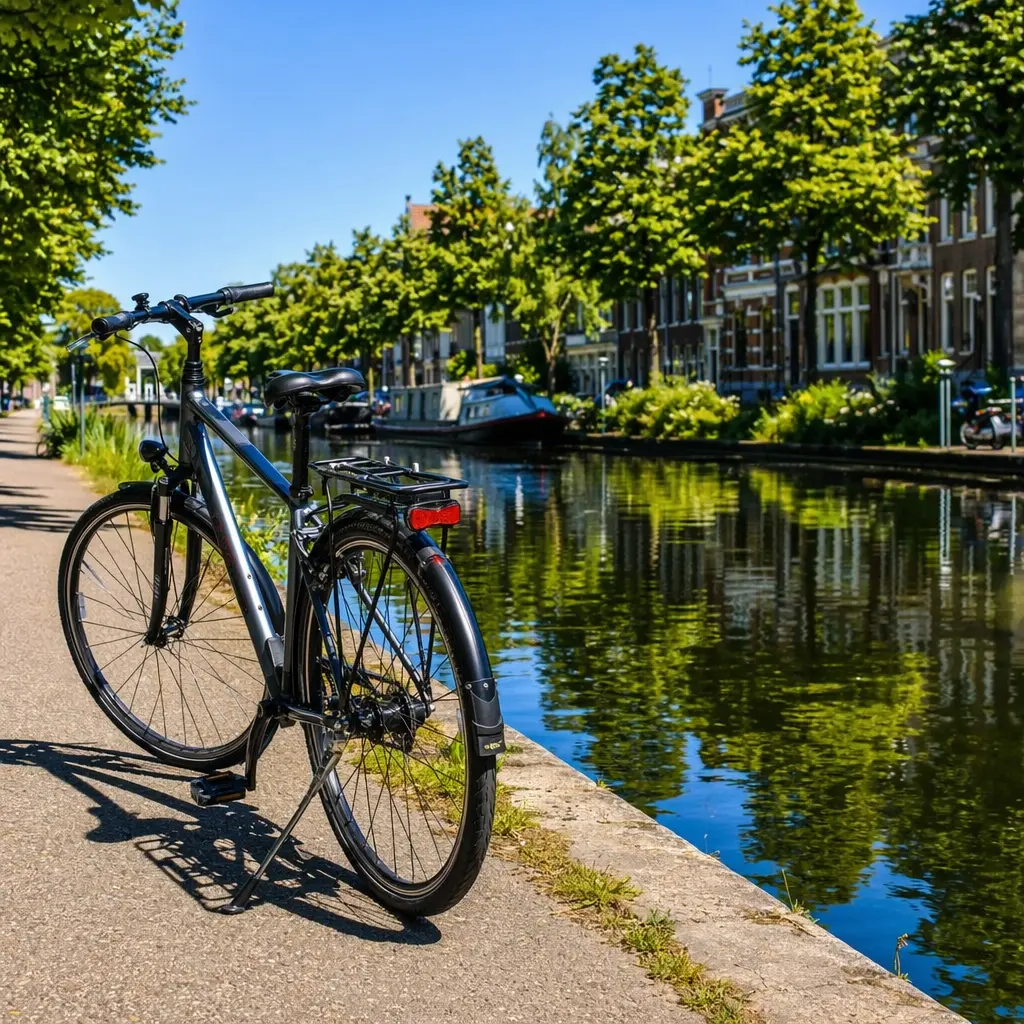
- Included accessories: Proper mudguards, rack mounts and dynamo lighting can save money and hassle later.
Budget and what you're getting
Spending £1,000–£2,000 puts you firmly in the ‘serious commuter’ category. Frames are better finished, components are more weather‑resistant, and details like sealed bearings and quality tyres become standard. The trade‑off is that you’re not paying for lightweight race parts or premium carbon frames. Instead, the focus is on parts that last longer, need less adjustment and keep working through winter salt and road spray.
Standout categories or types
Within the commuter category, there are a few common approaches, each with pros and cons depending on your route and priorities.
- Hub‑geared commuters: Internal gear hubs are sealed from the elements, meaning less cleaning and fewer winter breakdowns. They cost more upfront but save time and maintenance.
- Belt‑drive bikes: Often paired with hub gears, belts don’t rust and need no lubrication, making them ideal for all‑weather use.
- Flat‑bar road or fitness bikes: Faster and lighter, but often lack mudguards or racks as standard.
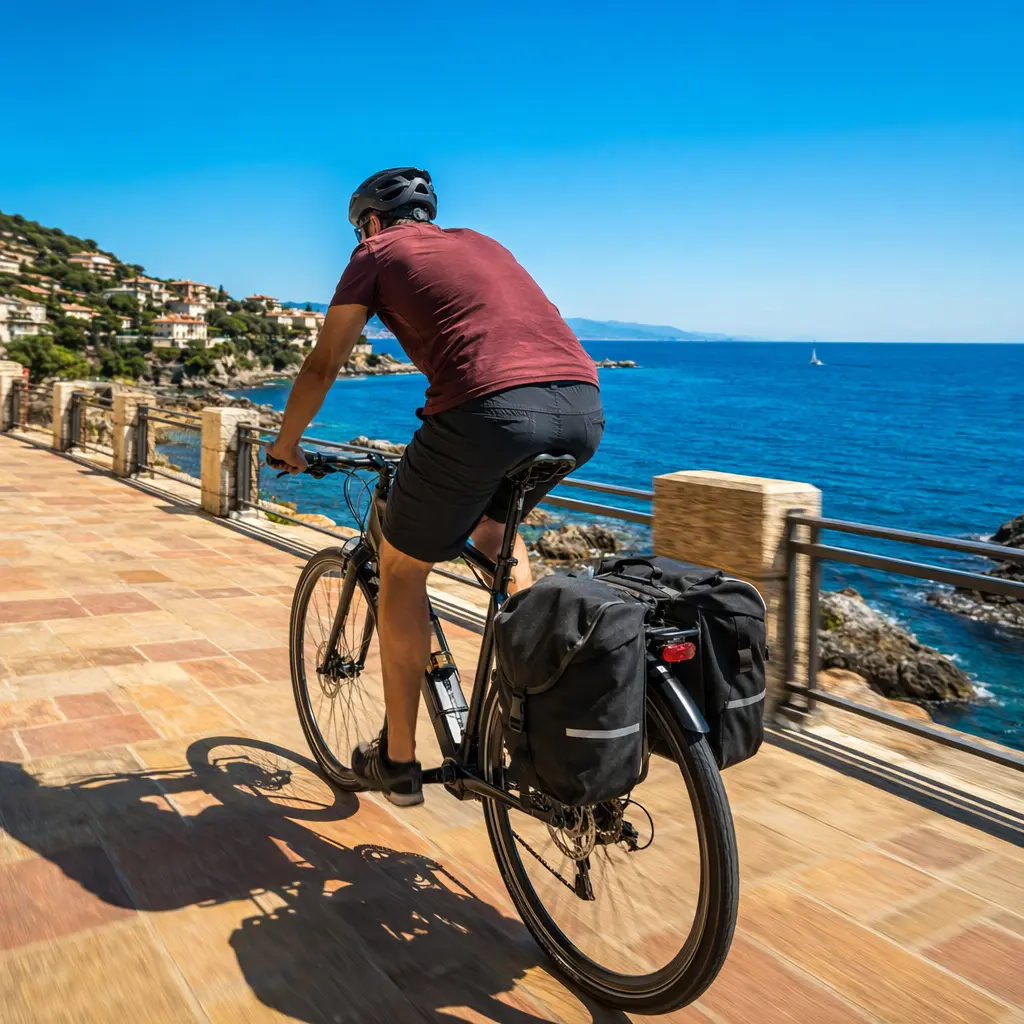
- Urban hybrids with accessories: Heavier, but practical — usually supplied with mudguards, lights and rear racks ready to commute immediately.
Frequently asked questions
Are hub gears worth it for commuting?
For year‑round commuting, hub gears are popular because they’re sealed against dirt and water. They usually last longer with less maintenance, though repairs can be more expensive if something does go wrong.
Do I need suspension on a commuter bike?
Front suspension adds weight and maintenance. For most UK roads and cycle paths, wider tyres at lower pressure give enough comfort without the drawbacks.
How important are mudguards?
Very. Full‑length mudguards keep you drier, protect components from grit and make winter riding far more pleasant. They’re a key feature for everyday commuting.
Is a heavier bike a problem?
Not necessarily. A slightly heavier bike often feels more stable and durable. Weight only becomes a major issue if you regularly carry the bike up stairs or lift it onto trains.
What tyres should I look for?
Puncture‑resistant tyres with reflective sidewalls are ideal for commuting. They may feel slower than lightweight tyres, but they save time and stress in daily use.
A good commuter bike should quietly fade into the background of your routine — starting every morning, stopping safely in the wet and carrying your kit without fuss. In the £1,000–£2,000 range, focusing on durability, comfort and low maintenance will deliver better long‑term value than chasing speed or minimal weight.
Find these on Amazon
As an Amazon Associate, CheapBikes earns from qualifying purchases.