Are £2,000+ hybrid bikes worth it for UK commuters?
A clear UK buyer’s guide to £2,000+ hybrid bikes: what the extra spend buys in comfort, components and longevity, and who actually benefits from paying more.
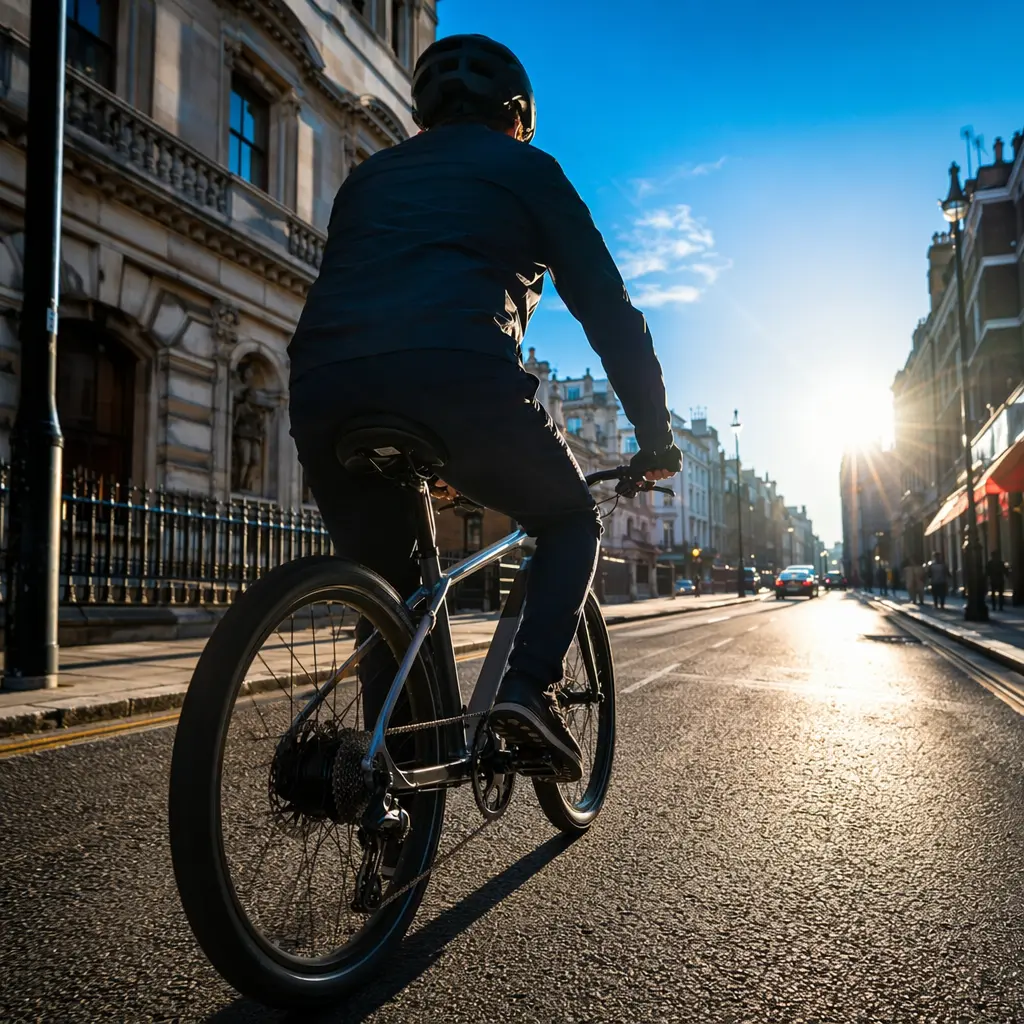
Hybrid bikes cover a huge price range, but once prices push beyond £2,000, many commuters start to wonder if the extra spend is justified. If your riding is mostly UK commuting — tarmac, cycle paths, canal towpaths and the odd rough lane — this guide explains what that higher budget really buys, and whether it matches your needs.
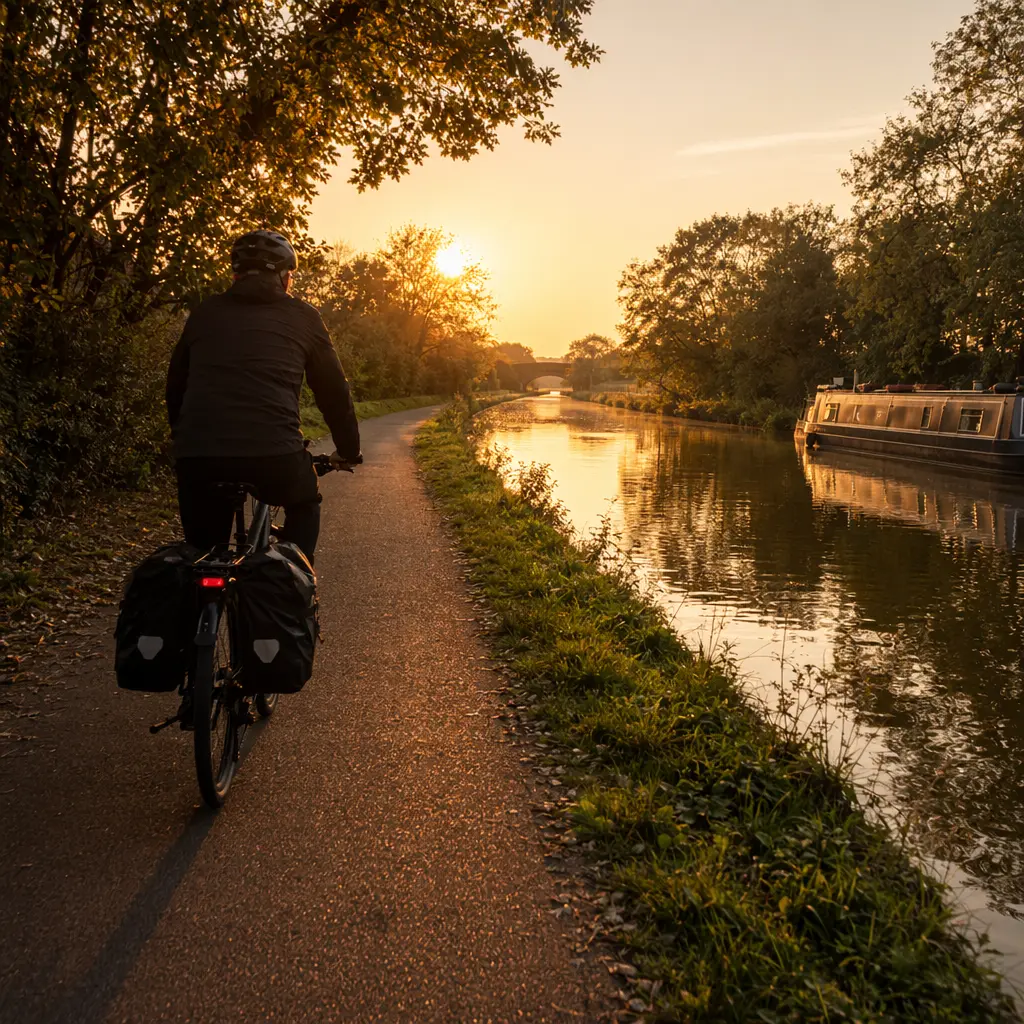
What to look for
At £2,000 and above, you’re paying for refinement rather than just basic function. The differences are often subtle on paper but noticeable day to day, especially if you ride year-round or cover higher weekly mileage.
- Gearing: Expect wide-range, well-sealed drivetrains that shift smoothly under load and need less frequent adjustment. Internal gear hubs or belt-drive options often appear at this level.
- Frame material: High-quality aluminium or steel frames with careful tube shaping for comfort. Some models add carbon forks or seatposts to reduce road buzz.
- Brake type: Powerful hydraulic disc brakes with consistent wet-weather performance and better modulation than cheaper systems.
- Geometry: Upright but efficient positions designed for long days in the saddle, often with longer wheelbases for stability when carrying panniers.
- Fit: More frame sizes and finer geometry tweaks, making it easier to get a comfortable fit without resorting to lots of aftermarket parts.
- Weight: Not ultra-light, but noticeably lighter than budget commuters once racks and guards are fitted.
- Included accessories: Integrated lights, full mudguards, pannier racks and kickstands are common, reducing the need for add-ons.
Budget and what you're getting
Spending £2,000+ doesn’t make a hybrid twice as fast as a £1,000 bike. Instead, it usually brings quieter running, fewer niggles and longer service intervals. Components last longer, weather sealing is better, and finishing touches — like internal cabling and proper mounting points — add up over years of use. The trade-off is that the gains are incremental, not dramatic, and many riders won’t fully notice them on short, fair-weather commutes.
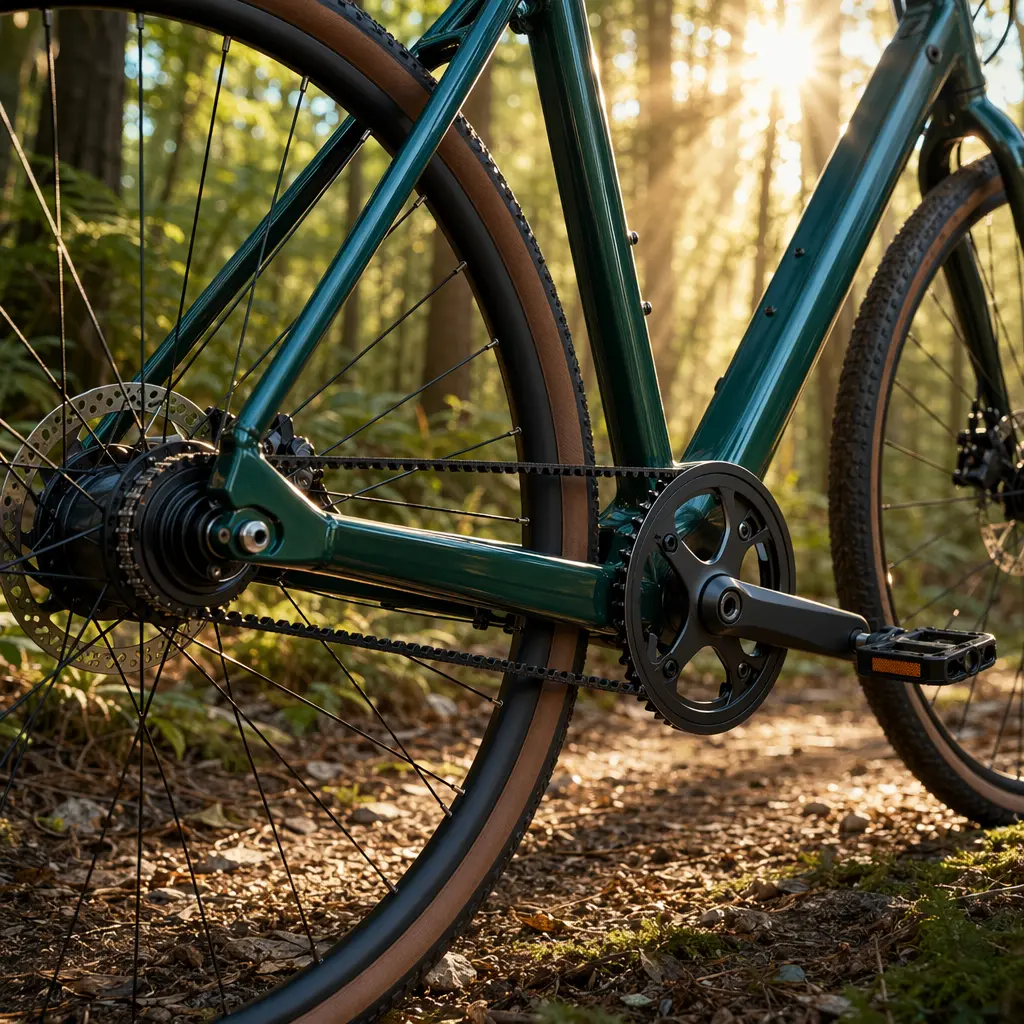
Standout categories or types
At the top end of the hybrid market, bikes tend to fall into a few clear camps, each aimed at a slightly different commuter.
- Low-maintenance commuters: Often featuring belt drives and internal gear hubs. Ideal for riders who cycle in everyday clothes and want minimal cleaning and adjustment.
- Fast urban hybrids: Lighter builds with sportier geometry, slick tyres and fewer accessories. Best for longer, faster commutes where efficiency matters more than cargo.
- Load-ready utility hybrids: Designed to carry heavier panniers or child seats, with stronger wheels and very stable handling.
Frequently asked questions
Will a £2,000+ hybrid make my commute faster?
Not significantly on short trips. You may gain a little efficiency from better tyres and smoother gearing, but traffic, junctions and route choice matter far more than price.
Are maintenance costs lower on expensive hybrids?
Often, yes. Higher-quality bearings, better sealing and premium drivetrains tend to last longer. Belt drives and hub gears can reduce ongoing maintenance, though parts can cost more when replacement is needed.
Is theft a concern at this price?
It can be. Expensive bikes benefit from secure storage at home and work, plus quality locks. Some commuters choose plainer-looking builds to avoid attention.
Would a cheaper bike plus upgrades be better value?
For many riders, yes. Starting with a solid mid-range hybrid and adding better tyres, a saddle that suits you, and good lights can deliver most of the real-world benefits for less money.
For UK commuters riding daily, year-round and covering longer distances, £2,000+ hybrid bikes can make sense as durable, low-hassle transport. For occasional or short commutes, the same money may be better spent elsewhere — or saved entirely — without sacrificing practicality.
Find these on Amazon
As an Amazon Associate, CheapBikes earns from qualifying purchases.