Is a £2,000+ Electric Bike Worth It for UK Commuting?
Thinking about a £2,000+ e‑bike for commuting? Learn what genuinely improves above this price in motors, batteries, reliability and support — and who actually benefits.

Electric bikes now cover a huge price range, but the £2,000 mark is where many UK commuters pause and ask whether the jump is really worth it. At this level you can already get a capable e‑bike — so what actually improves when you spend more? This guide explains what £2,000+ buys in real commuting terms, and who should (and shouldn’t) consider paying it.
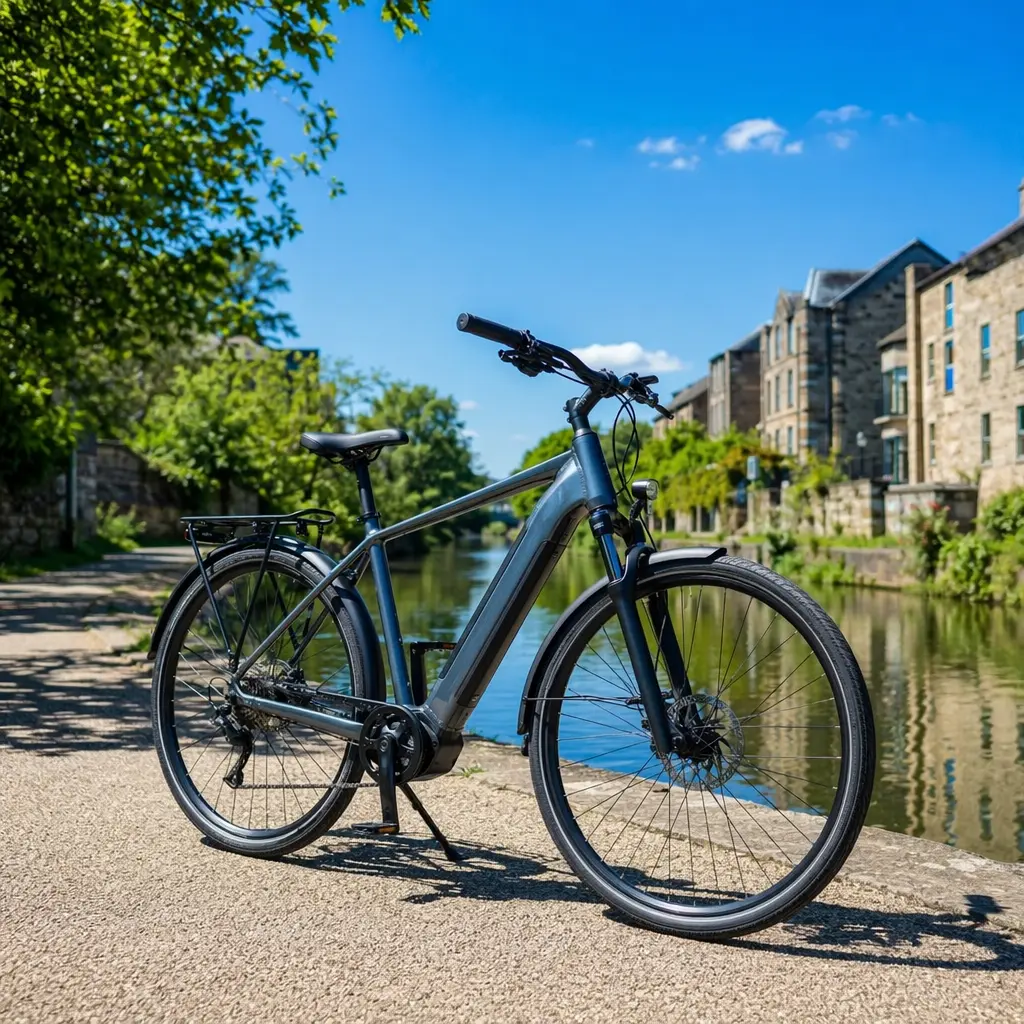
What to look for
Above £2,000, e‑bikes are less about flashy extras and more about refinement. The differences show up in how smoothly the bike rides, how long it lasts, and how well it stands up to daily commuting in UK conditions.
- Motor type and tuning: Mid‑drive motors dominate above £2,000. They deliver power through the drivetrain for better hill climbing and a more natural pedalling feel than most hub motors.
- Battery quality and capacity: Expect higher‑quality cells, smarter battery management and typically longer real‑world range, especially in colder weather.
- Frame material and finish: Aluminium frames are common, but with improved welding, internal cable routing and corrosion‑resistant finishes for year‑round use.
- Brakes: Hydraulic disc brakes are standard at this level, offering stronger, more consistent stopping in the wet — a big plus for UK roads.
- Gearing: Wider‑range drivetrains, often with more durable components designed to cope with motor assistance and frequent starts.
- Geometry and fit: More stable, commuter‑focused geometry with predictable handling at speed and under load.
- Included accessories: Integrated lights, mudguards, pannier racks and kickstands are often better fitted and wired into the main battery rather than added on.
Budget and what you're getting
Spending over £2,000 doesn’t usually make an e‑bike dramatically faster — UK assistance limits apply to all legal models. Instead, your money goes into longevity, consistency and support. Motors are quieter and more responsive, batteries age more slowly, and components are chosen to cope with daily miles. The trade‑off is that value becomes harder to judge: gains are incremental, not transformative, and riders with short, flat commutes may not notice every upgrade.

Standout categories or types
Within the £2,000+ bracket, commuting e‑bikes tend to fall into a few clear categories. Understanding these helps decide whether the extra spend matches your riding needs.
- Mid‑drive commuter bikes: The most common choice at this price. They excel on hills and feel intuitive in traffic, especially with frequent stops.
- Low‑maintenance designs: Some focus on enclosed drivetrains or simplified gearing to reduce servicing — appealing for all‑weather commuters.
- Higher‑capacity battery models: Aimed at longer commutes or riders who can’t charge daily, trading extra weight for fewer charging cycles.
- Comfort‑focused commuters: Upright geometry, wider tyres and suspension seatposts prioritise ease and stability over sporty handling.
Frequently asked questions
Does a £2,000+ e‑bike make commuting faster?
Not in terms of top assisted speed. UK‑legal e‑bikes all cut assistance at the same limit. What improves is how easily you reach and maintain that speed, particularly on hills or into headwinds.
Are cheaper e‑bikes less reliable?
Lower‑priced models can be perfectly serviceable, but they often use less durable components and simpler electronics. Over years of daily use, wear and battery degradation tend to show sooner.
Is maintenance cheaper or more expensive at this level?
Individual parts can cost more, but better components usually last longer and need fewer adjustments. Access to authorised servicing can also make fault‑finding quicker.
Who benefits most from spending over £2,000?
Riders commuting several days a week, covering longer distances, or tackling regular hills gain the most. For short, occasional trips, the advantages may be hard to justify.
A £2,000+ electric bike can be a smart investment for UK commuting — but only when its strengths match your routine. You’re paying for refinement, durability and support rather than headline speed. If those qualities matter to your daily ride, the step up makes sense; if not, a well‑chosen cheaper e‑bike may do the job just as well.
Find these on Amazon
As an Amazon Associate, CheapBikes earns from qualifying purchases.