Best gravel bikes under £700 for mixed UK surfaces
Under £700 is where gravel bikes start to make sense: usable gearing, real tyre clearance and mounts for everyday riding. This guide explains what you actually get, what to avoid, and how to choose wisely.
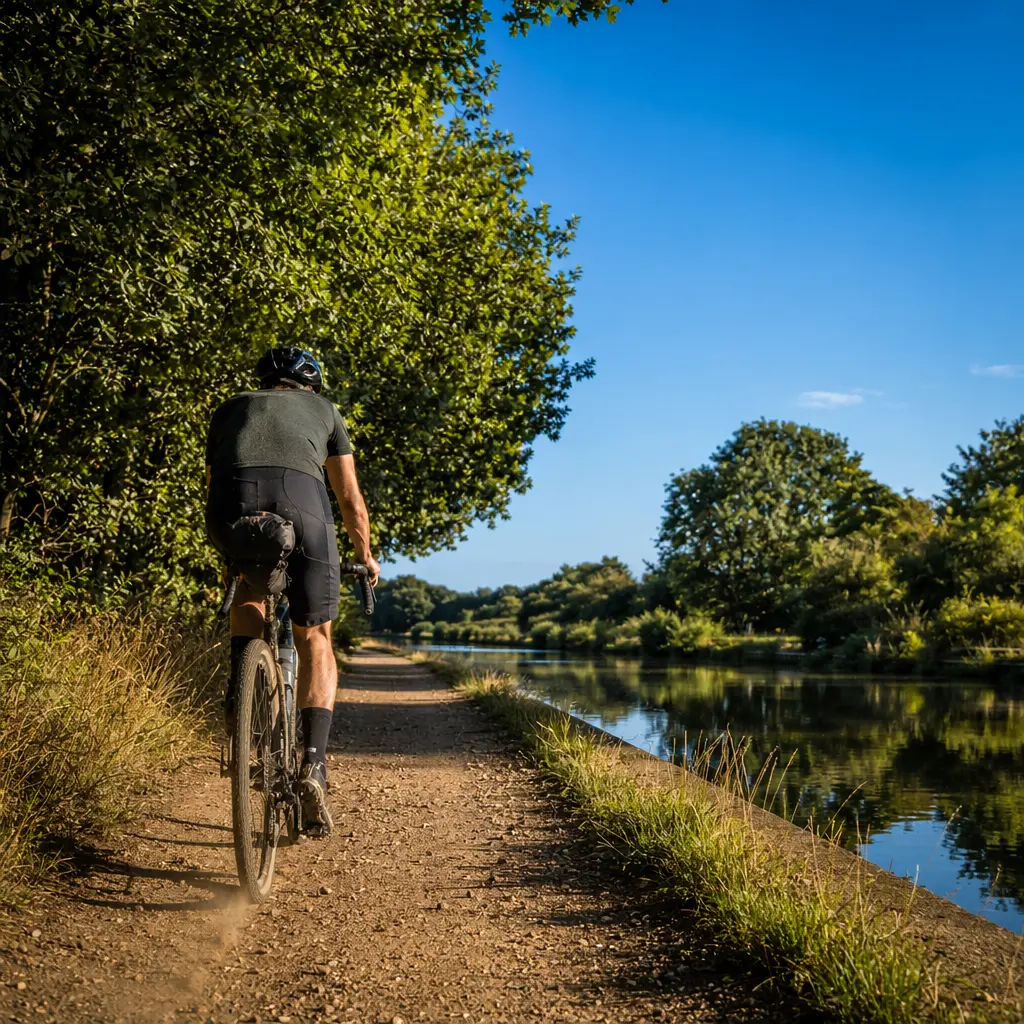
Gravel bikes promise one-bike freedom: tarmac, towpaths, forest tracks and winter lanes without swapping machines. Under £700 is the point where that promise starts to hold up for UK riders. Gearing gets low enough for steep, muddy climbs, tyre clearance improves, and frames usually include mounts for guards and racks. This article is for riders who want versatility on a sensible budget — commuters, weekend explorers and anyone tackling Britain’s patchwork of surfaces — without paying for race-weight parts.
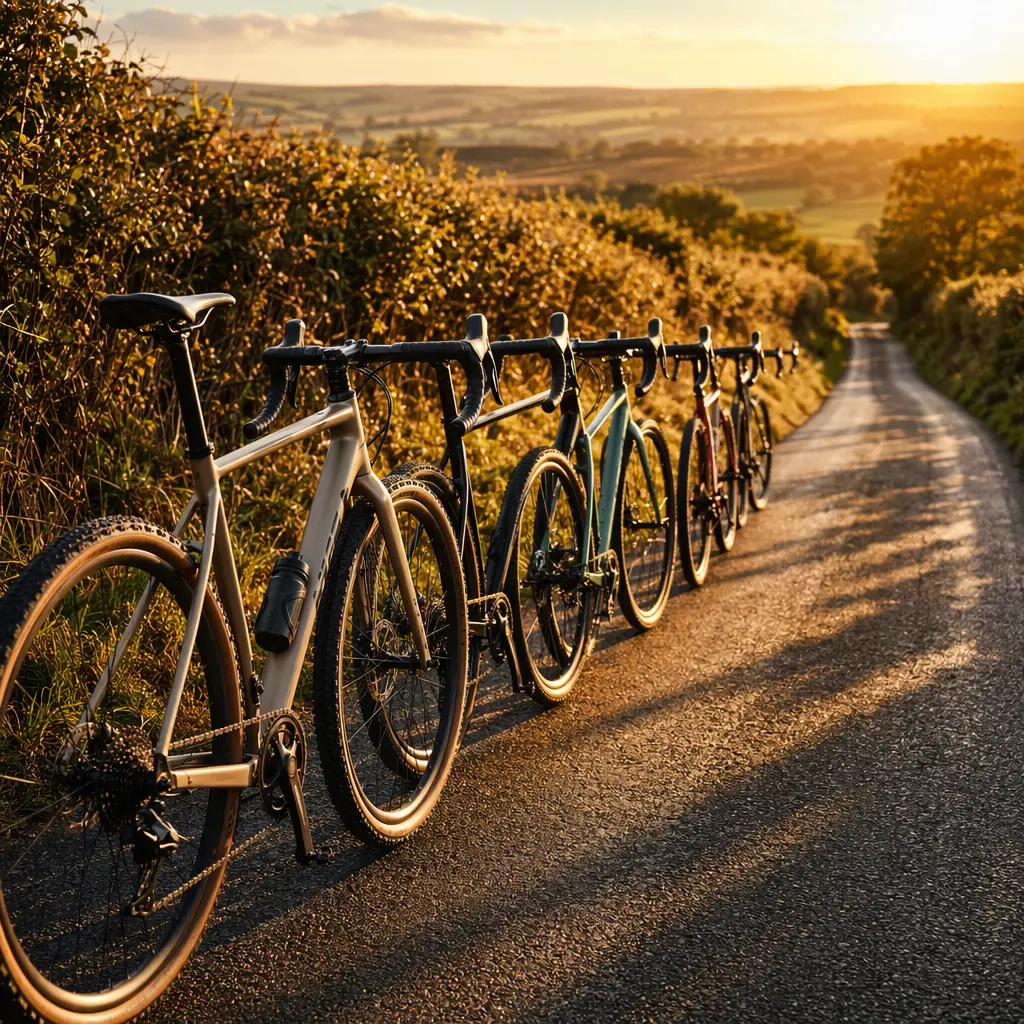
What you actually get at this price
At under £700, gravel bikes are still built to a budget, but the fundamentals are finally in place. Expect aluminium frames rather than steel or carbon, paired with a carbon or alloy fork. Geometry tends to be stable rather than sporty, which suits rough surfaces and loaded riding.
Components are typically a step down from mid-range, but functional. Brands prioritise durability and ease of adjustment over low weight. You will feel the mass on climbs, yet reliability is generally solid for year-round UK use.
- Groupset: entry-level gravel or road-derived components, often 1x with a wide-range cassette or 2x with compact chainrings
- Brakes: mechanical disc brakes are common; stopping power is adequate but requires firmer lever pull
- Frame material: aluminium frame with carbon or alloy fork
- Tyre clearance: usually 38–45mm, enough for bridleways and rough lanes
- Mounts: rack and mudguard eyelets are typical, sometimes top-tube bag mounts
- Wheels: sturdy but heavy, prioritising strength over acceleration
How to choose
Start with how and where the bike will be ridden. For mixed UK surfaces — broken tarmac, gravel paths, towpaths and light off-road — stability and tyre volume matter more than speed. Look for a relaxed gravel geometry with a slightly taller head tube and longer wheelbase for confidence when surfaces deteriorate.
Fit is critical. Many budget gravel bikes run long reaches paired with short stems to keep handling calm. Check standover height and available sizes carefully, especially if buying online. Gearing choice also matters: riders in hilly areas or carrying bags will appreciate lower gears over closely spaced ratios.
What to look out for
- Very high gearing that makes steep or muddy climbs a grind
- Limited tyre clearance that caps future upgrades
- Heavy wheelsets that blunt acceleration and comfort
- Mechanical disc brakes with poor pad quality
- No rack or mudguard mounts, reducing year-round usefulness
- Narrow handlebars that limit control off-road
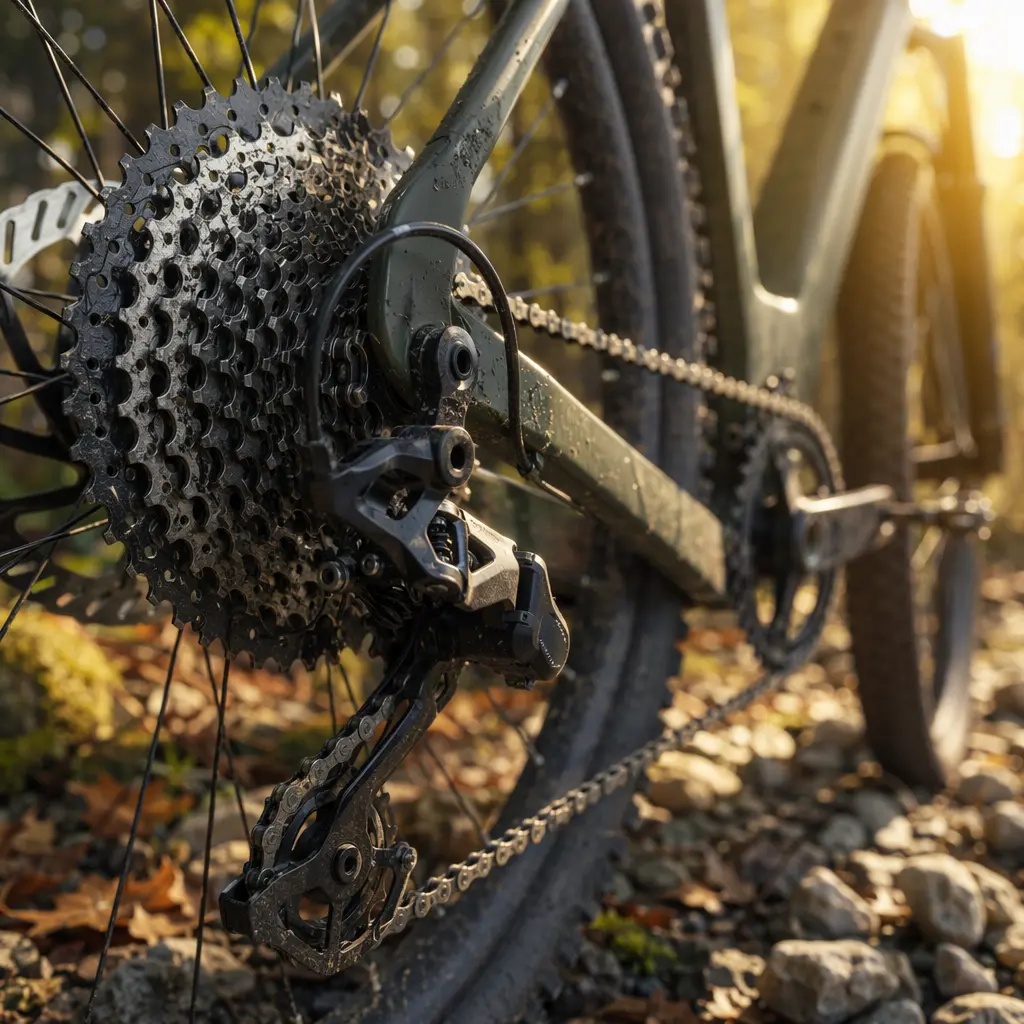
Worth spending more on
Even the best sub-£700 gravel bike benefits from a few smart upgrades. Tyres are the biggest improvement per pound: lighter, tubeless-ready options transform ride feel and grip on wet UK surfaces. A saddle that suits your anatomy is another comfort upgrade worth budgeting for.
Contact points and safety gear matter too. Quality bar tape improves comfort on long rides, while decent lights and a solid lock are essential if the bike doubles as a commuter. These extras often matter more day-to-day than shaving a few grams off the frame.
Frequently asked questions
Is £700 enough for proper gravel riding?
Yes, for general gravel use rather than racing. Under £700 buys a bike capable of handling towpaths, forest tracks and rough lanes reliably, albeit with heavier components and basic finishing kit.
Are mechanical disc brakes a deal-breaker?
Not necessarily. Mechanical discs lack the power and modulation of hydraulics, but with good pads and regular adjustment they stop reliably in wet UK conditions.
1x or 2x gearing for mixed surfaces?
1x is simpler and quieter off-road, while 2x offers closer ratios for road-heavy riding. At this price, choose based on terrain rather than trends.
Can these bikes handle commuting too?
Yes. Most include mounts for mudguards and racks, making them practical all-year commuters that cope well with potholes and poor road surfaces.
In short, under £700 is where gravel bikes stop being a compromise and start being genuinely useful. Choose carefully, prioritise fit and gearing, and a budget gravel bike can cover more UK riding than almost anything else.
Find these on Amazon
As an Amazon Associate, CheapBikes earns from qualifying purchases.