5 road bikes that make sense for everyday riding
Everyday road bikes that trade race weight for comfort, durability and sensible parts. A value-focused guide to what actually works for commuting, fitness rides and long weekends.

This guide is for riders who want a road bike they can actually live with. Think weekday commutes, weekend fitness loops, winter miles and the odd café stop — not podium chasing. The focus here is value, comfort and durability, where a few extra grams are a fair trade for reliability and less hassle.
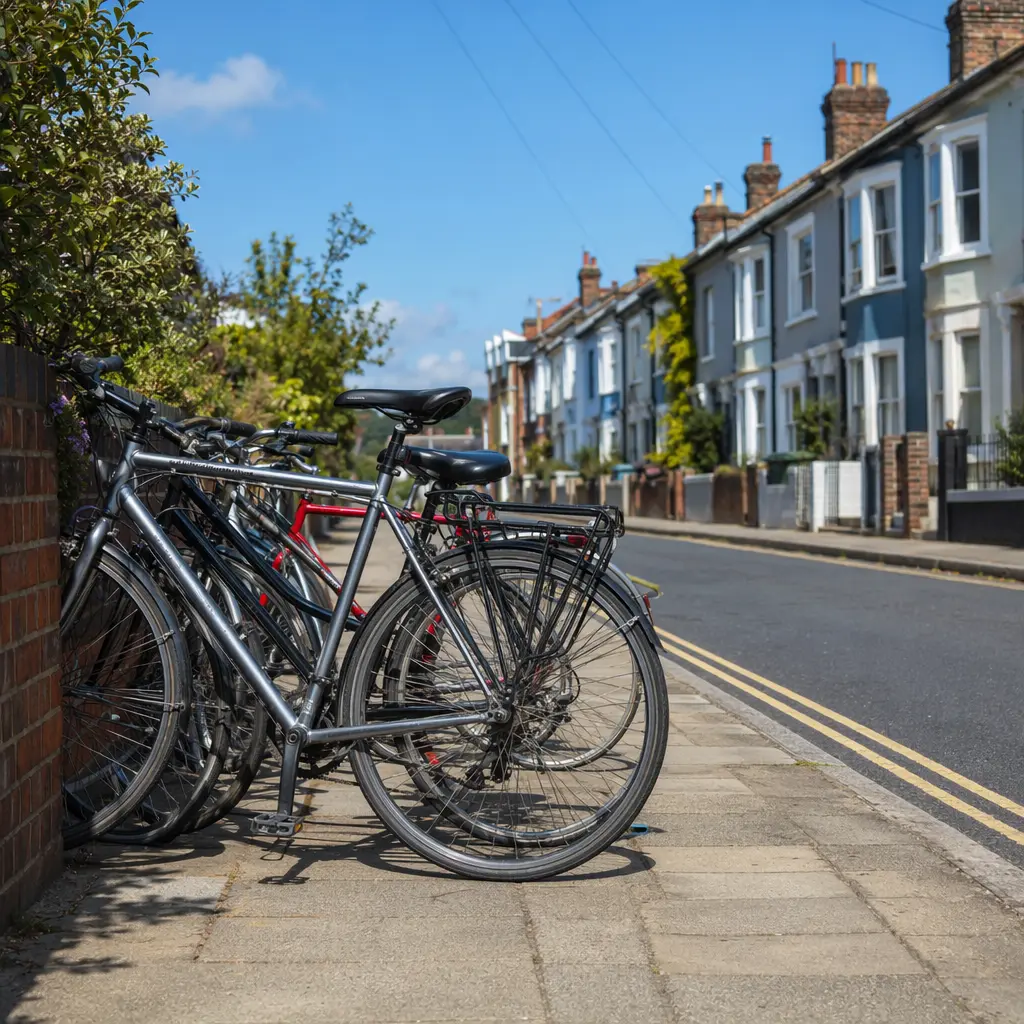
What you actually get at this price
Value-focused road bikes tend to prioritise sensible geometry and proven components over cutting-edge tech. You are unlikely to see ultra-light carbon or top-tier electronic shifting, but you will get parts that are easy to service and cheap to replace.
Across the market, these bikes usually share a common theme: comfort-first frames, stable handling and gearing that suits real roads rather than race circuits.
- Frame material: aluminium or steel, often with a carbon or alloy fork
- Groupset tier: entry to mid-level mechanical shifting, typically 8–10 speed
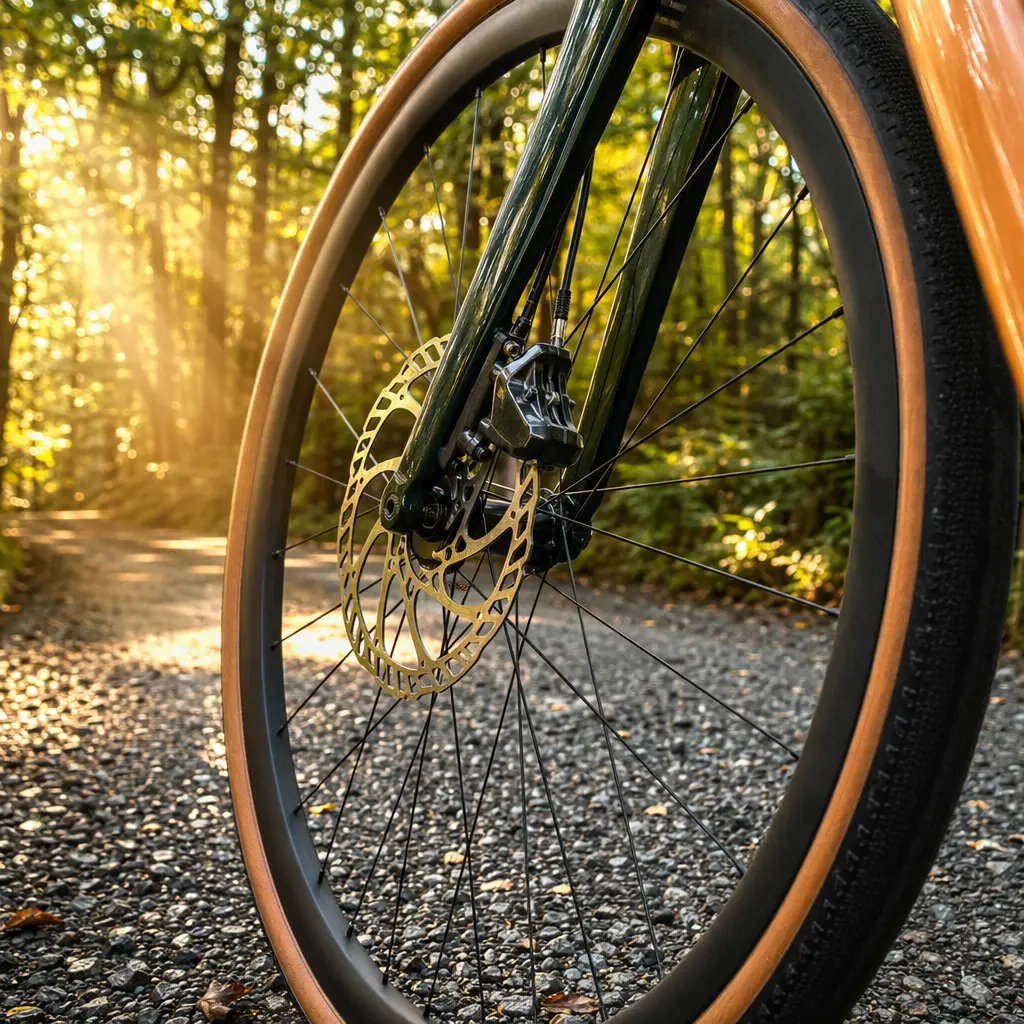
- Brakes: cable disc brakes or rim brakes; hydraulic discs are less common
- Gearing: wider ranges with easier climbing gears than race bikes
- Extras: rack and mudguard mounts are common; stock tyres are usually durable rather than fast
How to choose
Start with fit and riding position. An endurance-style geometry with a taller front end takes pressure off the back and neck, which matters far more for daily riding than marginal aerodynamic gains.
Next, think about how the bike will be used. If it needs to handle wet commutes and winter grit, look for clearance for wider tyres and proper mudguards. If it doubles as a fitness bike, slightly lighter wheels and a carbon fork can make longer rides feel easier.
What to look out for
- Very narrow tyre clearance that limits comfort and winter usability
- Basic wheels that add weight and dull acceleration
- Cable disc brakes with poor adjustment or weak stopping power
- No rack or mudguard mounts, even on bikes aimed at everyday use
- Overly aggressive geometry borrowed from race bikes
Worth spending more on
A few small upgrades can transform an everyday road bike. Tyres are the biggest win: swapping heavy stock rubber for quality puncture-resistant tyres with a supple casing improves comfort and speed straight away.
A better saddle and decent bar tape also punch above their weight, especially if the bike is ridden several times a week. These changes cost far less than chasing lighter frames or wheels.
Frequently asked questions
Are everyday road bikes slower?
They are slightly heavier, but for real-world riding the difference is small. Comfort and stable handling often make them faster over longer distances.
Is aluminium or steel better for daily use?
Both work well. Aluminium is lighter and common at lower prices; steel offers a smoother ride and easy repairability but usually weighs more.
Do I need disc brakes?
For year-round UK riding, discs offer better wet-weather control. Rim brakes are still fine if well set up and maintained.
Can one bike do commuting and weekend rides?
Yes. Look for rack and mudguard mounts, tyre clearance for at least 28–32mm tyres, and a relaxed endurance geometry.
In short, the best everyday road bikes are not the lightest or flashiest — they are the ones that keep rolling reliably, day after day, and make riding feel easy enough to do again tomorrow.
Find these on Amazon
As an Amazon Associate, CheapBikes earns from qualifying purchases.