Is a gravel bike worth it for year‑round UK commuting?
Gravel bikes promise comfort, grip and versatility in all weather. This guide weighs them up against hybrids and road bikes for year‑round UK commuting, including costs, compromises and who they suit best.

For many UK commuters, the daily ride isn’t just smooth tarmac. It’s potholes, cracked cycle lanes, canal towpaths, wet leaves and the odd stretch of gravel. Gravel bikes are often pitched as the do‑it‑all answer — but are they genuinely worth it for year‑round commuting, or just an expensive halfway house between a road bike and a hybrid?
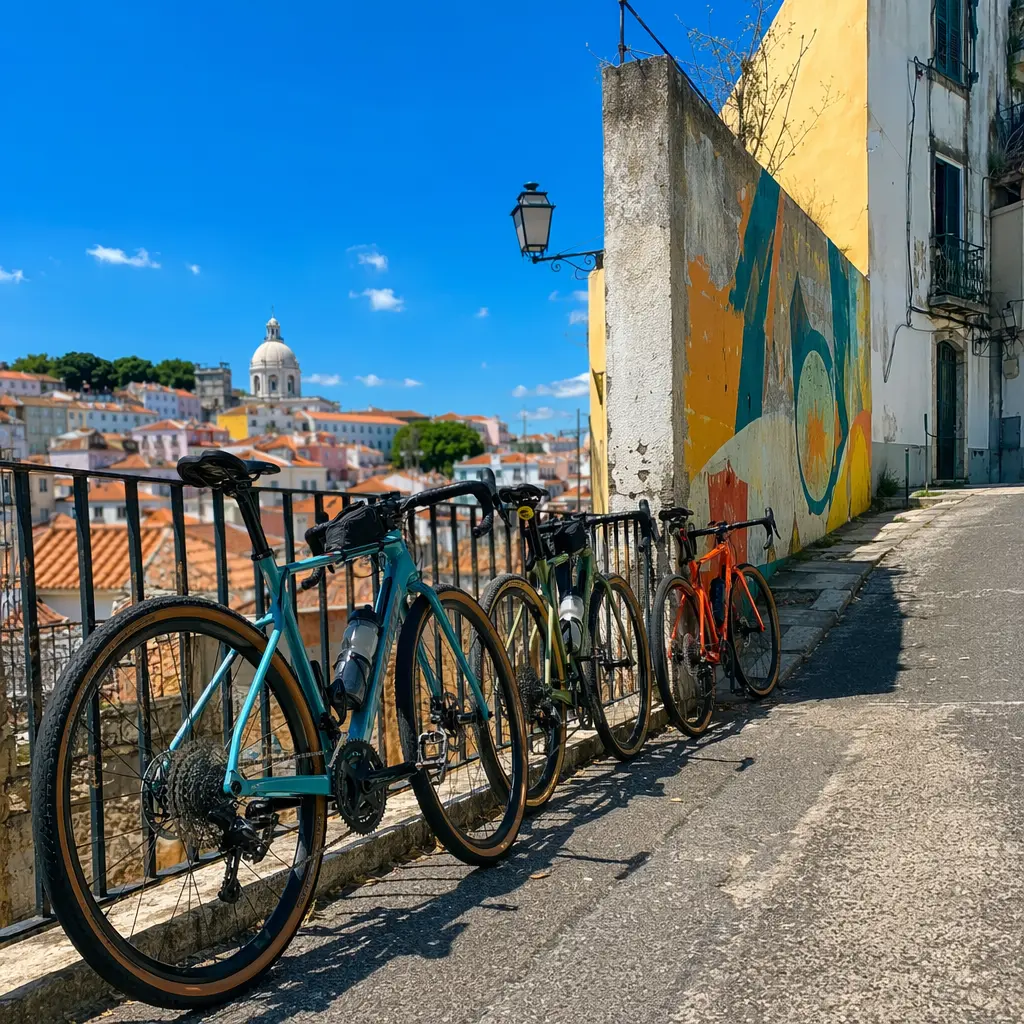
What you actually get at this price
Gravel bikes sit in a broad price range, but most commuters considering one are looking at entry‑level to mid‑range builds. Compared with typical hybrids and road bikes at similar money, gravel bikes prioritise versatility and stability over outright speed.
The key difference is how those bikes handle poor surfaces and bad weather. Wider tyres, disc brakes and more relaxed geometry are standard, which can make daily riding feel calmer and more predictable — especially through winter.
- Frame material: aluminium is most common; steel appears on some comfort‑focused models
- Tyres: usually 35–45mm wide, often tubeless‑ready for lower pressures and puncture resistance
- Brakes: mechanical or entry‑level hydraulic disc brakes
- Gearing: wide‑range setups aimed at hills and loaded riding rather than high top speeds
- Mounts: eyelets for mudguards, racks and sometimes extra bottle cages
- Finishing kit: basic but durable bars, seatposts and wheels
How to choose
The first question is route. If a commute includes broken roads, towpaths, park cut‑throughs or winter‑slick cycle lanes, a gravel bike’s wider tyres and stable handling can be a genuine advantage. On smoother, faster roads, that extra weight and rolling resistance matter more.
Fit and position also count. Gravel bikes typically use drop handlebars like road bikes, but with a taller front end and shorter reach. Riders coming from flat‑bar hybrids may need an adjustment period, while road cyclists often find gravel bikes more comfortable over longer, rougher rides.
What to look out for
- Weight: gravel bikes are usually heavier than road bikes and some hybrids
- Tyres: stock tyres can be slow on tarmac; swapping them adds cost
- Brakes: cheaper mechanical discs lack the power and feel of hydraulics
- Mudguard clearance: wide tyres plus guards can be a tight fit on some frames
- Handlebars: flared drops suit control but can feel wide in traffic
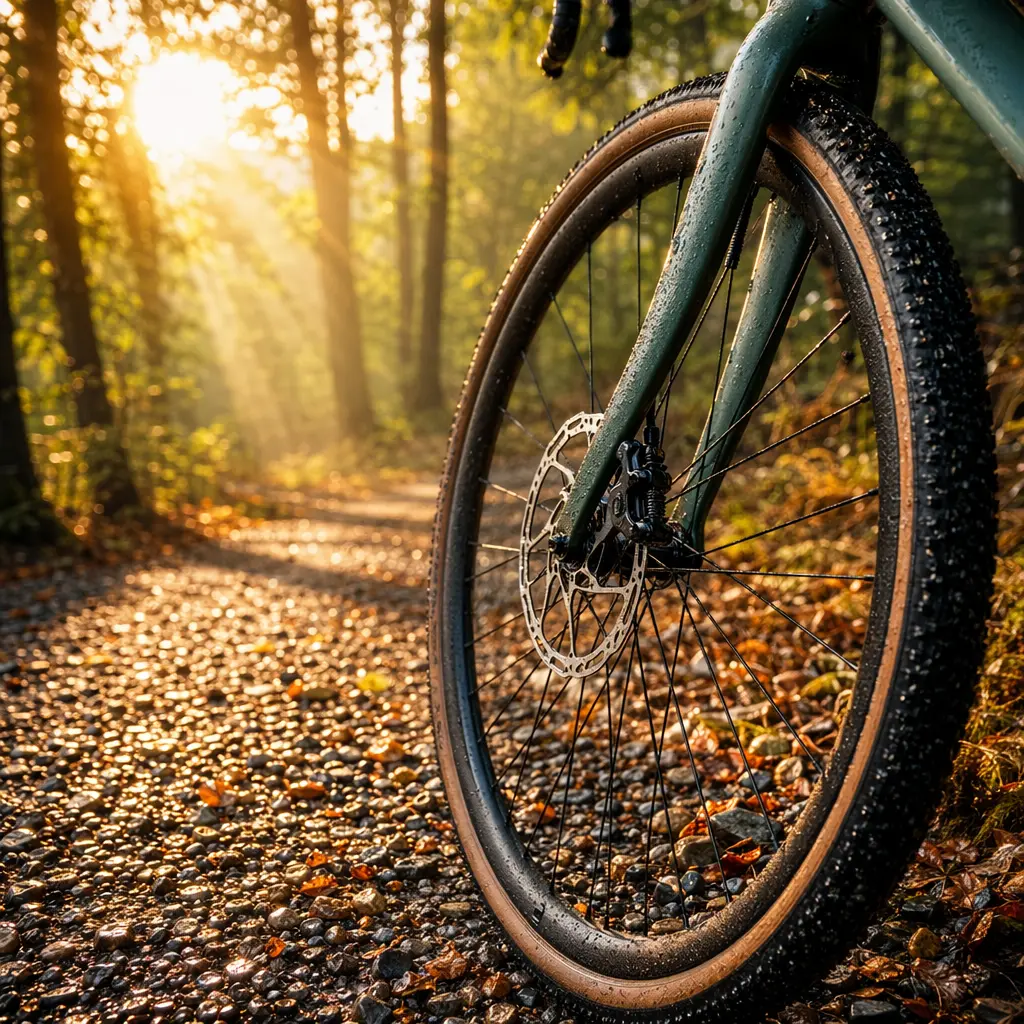
Worth spending more on
For commuting, tyres are the biggest upgrade. Swapping aggressive gravel tyres for smoother, puncture‑resistant all‑road tyres can transform efficiency without losing comfort. Good mudguards are also essential for year‑round UK riding.
Beyond that, contact points matter. A comfortable saddle, decent bar tape and quality pedals make daily riding more pleasant. If the bike comes with basic mechanical disc brakes, upgrading pads can noticeably improve braking in the wet.
Frequently asked questions
Is a gravel bike faster than a hybrid for commuting?
Often, yes — especially on longer rides. Drop bars and a more aerodynamic position help at speed, but tyre choice plays a big role. With heavy tyres, a gravel bike can feel no quicker than a hybrid.
Can a gravel bike replace a road bike?
For commuting, it can. Gravel bikes trade top‑end speed for comfort and control. Riders focused on fast group rides may still prefer a dedicated road bike.
Are gravel bikes good in winter?
Yes. Disc brakes, wider tyres and mudguard compatibility make them well suited to wet, gritty conditions common in UK winters.
Do I need suspension for rough commutes?
Usually not. Wider tyres at lower pressures provide enough comfort for most urban and light off‑road routes without the weight and maintenance of suspension.
For commuters dealing with mixed surfaces and unpredictable weather, a gravel bike can be a smart, flexible choice — but it only makes sense if those strengths match the reality of the daily ride.
Find these on Amazon
As an Amazon Associate, CheapBikes earns from qualifying purchases.