Best folding bikes under £300 for occasional storage & travel
A clear-eyed guide to folding bikes under £300: what you gain, what you give up, and which compromises make sense if the bike only folds a few times a week.
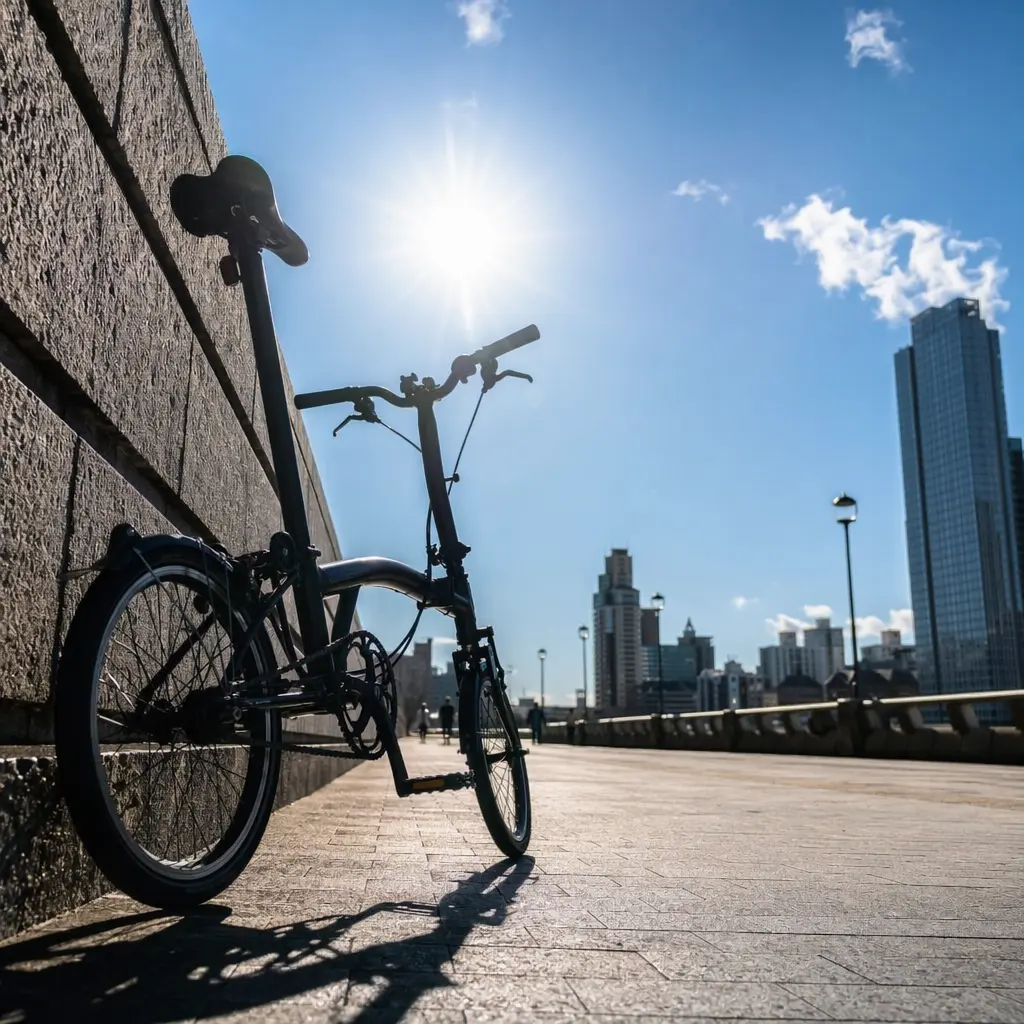
Folding bikes under £300 sit in a very specific niche. They are for riders who need a bike that tucks away in a flat, car boot or train vestibule, but only folds a few times a week rather than at every stop. At this budget, the value question is simple: which compromises are acceptable when convenience matters more than outright ride quality?
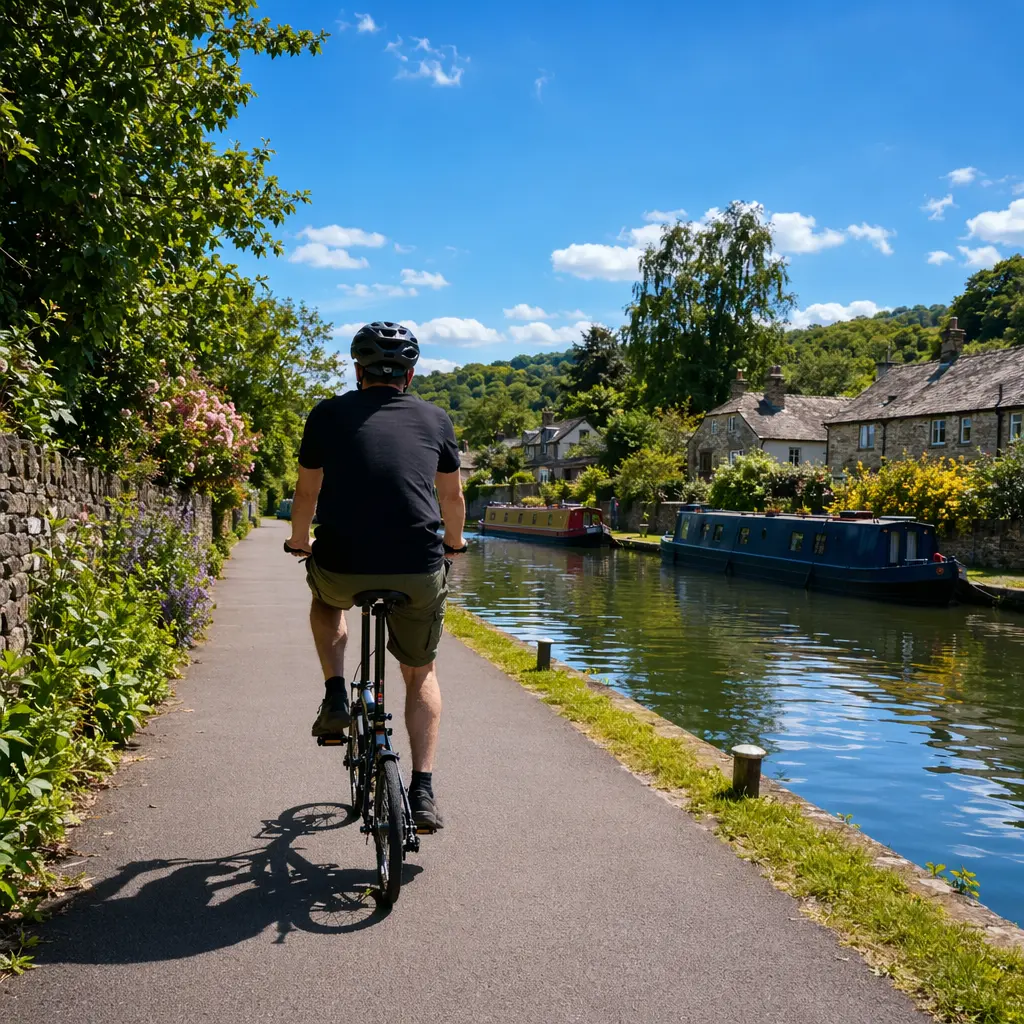
What you actually get at this price
Under £300, folding bikes are built to hit a price point first and foremost. The good news is that most are perfectly serviceable for short urban rides and occasional travel. The less good news is that corners are cut in predictable places, particularly weight, components and long-term durability.
Think of these bikes as practical tools rather than refined machines. They are designed to roll reliably, fold quickly enough, and survive being stored in cupboards or hallways without fuss.
- Frame: usually steel, which is tough and cheap but noticeably heavier than aluminium
- Wheels: typically 16in or 20in, with basic rims and heavier tyres
- Gearing: simple 6–7 speed derailleur setups rather than hub gears
- Brakes: basic V-brakes or cable discs; adequate in dry weather, less impressive in the wet
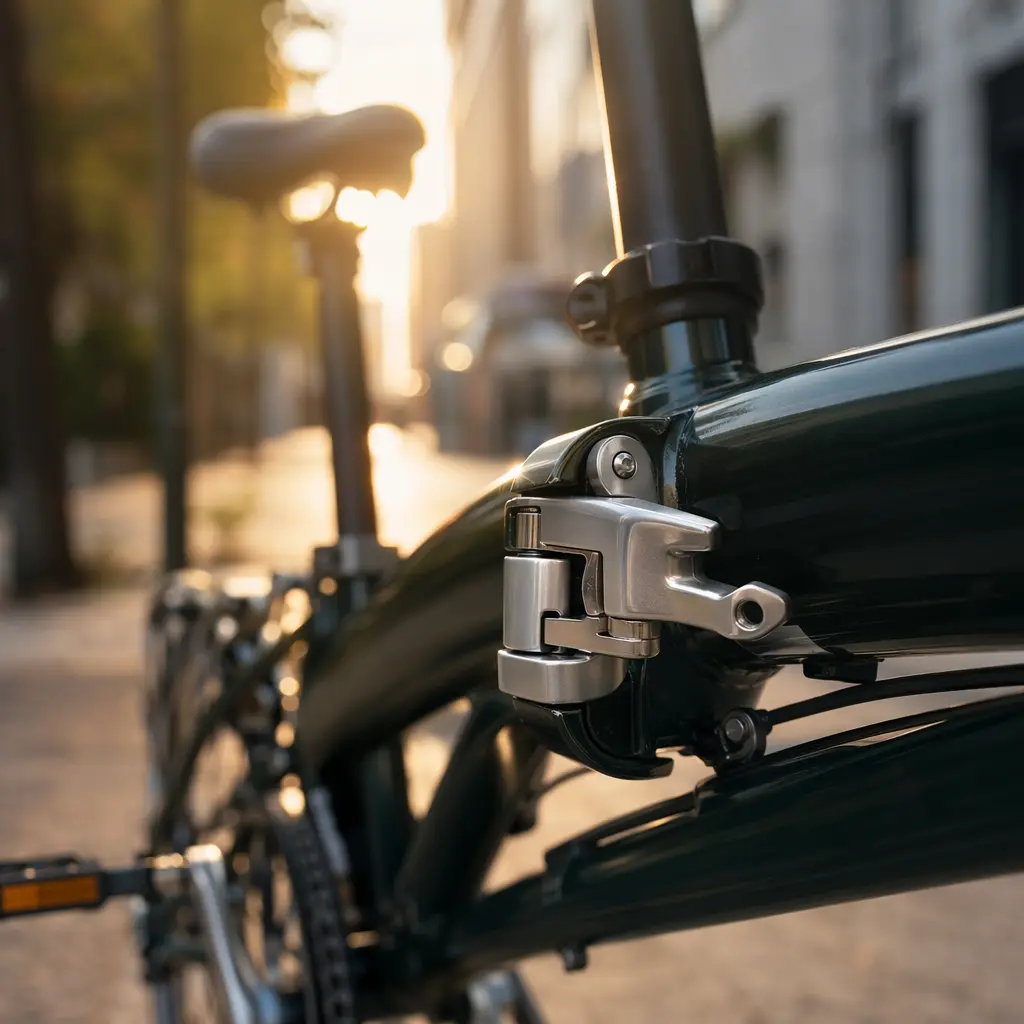
- Folding mechanism: functional but not especially compact or fast
- Extras: mudguards sometimes included; racks and lights are often optional or absent
How to choose
The key decision is how often the bike will be folded versus how often it will be ridden. If it only needs to fold a few times a week, you can tolerate a slower, slightly clunkier folding system in exchange for a lower price and sturdier feel.
Wheel size also matters. Smaller wheels fold more compactly and are easier on crowded trains, but they feel twitchier on rough roads. Larger 20in wheels ride more like a normal bike and cope better with kerbs and potholes, at the cost of a bulkier folded package. Fit is basic at this level, so check the saddle height range carefully if you are taller or shorter than average.
What to look out for
- Weight: many budget folders tip the scales at 13–15kg, which is noticeable when carrying
- Flex: cheaper frames and hinges can feel springy when pedalling hard
- Basic shifters: functional, but not especially smooth or durable
- Limited adjustment: short seatposts and stems can restrict fit
- Few mounts: rack and bottle cage mounts are not always present
- Budget tyres: often heavy and slow-rolling, but easy to upgrade later
Worth spending more on
Even if the bike itself stays under £300, a few smart upgrades can transform the experience. Tyres are the biggest win: lighter, puncture-resistant options roll faster and make small wheels feel less harsh. A more comfortable saddle is another easy improvement, especially on upright frames.
Security and practicality are also worth a little extra spend. A decent compact lock, clip-on lights and a simple cover for train travel all add value without breaking the bank.
Frequently asked questions
Are folding bikes under £300 suitable for daily commuting?
They can be, but expectations matter. For short, flat commutes they are fine. For longer or hillier routes, the weight and basic gearing become more noticeable.
How small do they fold compared to more expensive folders?
They generally fold larger and less neatly. For occasional storage at home or in a car boot this is acceptable, but frequent train travel may feel cramped.
Is steel a problem?
Not necessarily. Steel is strong and forgiving, but heavier. If you need to carry the bike upstairs regularly, weight becomes the bigger issue.
Should you consider used instead?
Yes, if you are comfortable checking condition. A lightly used folding bike can offer better components for the same money, but warranties are usually limited.
In short, folding bikes under £300 make sense when storage and occasional travel trump ride refinement. Accept the weight and basics, choose carefully, and they can be a genuinely useful part of everyday transport.
Find these on Amazon
As an Amazon Associate, CheapBikes earns from qualifying purchases.