Best mountain bikes under £700 for trail centres
A straight-talking guide to sub-£700 mountain bikes that finally feel confident on trail centres, covering geometry, brakes, and the compromises to expect in 2026.
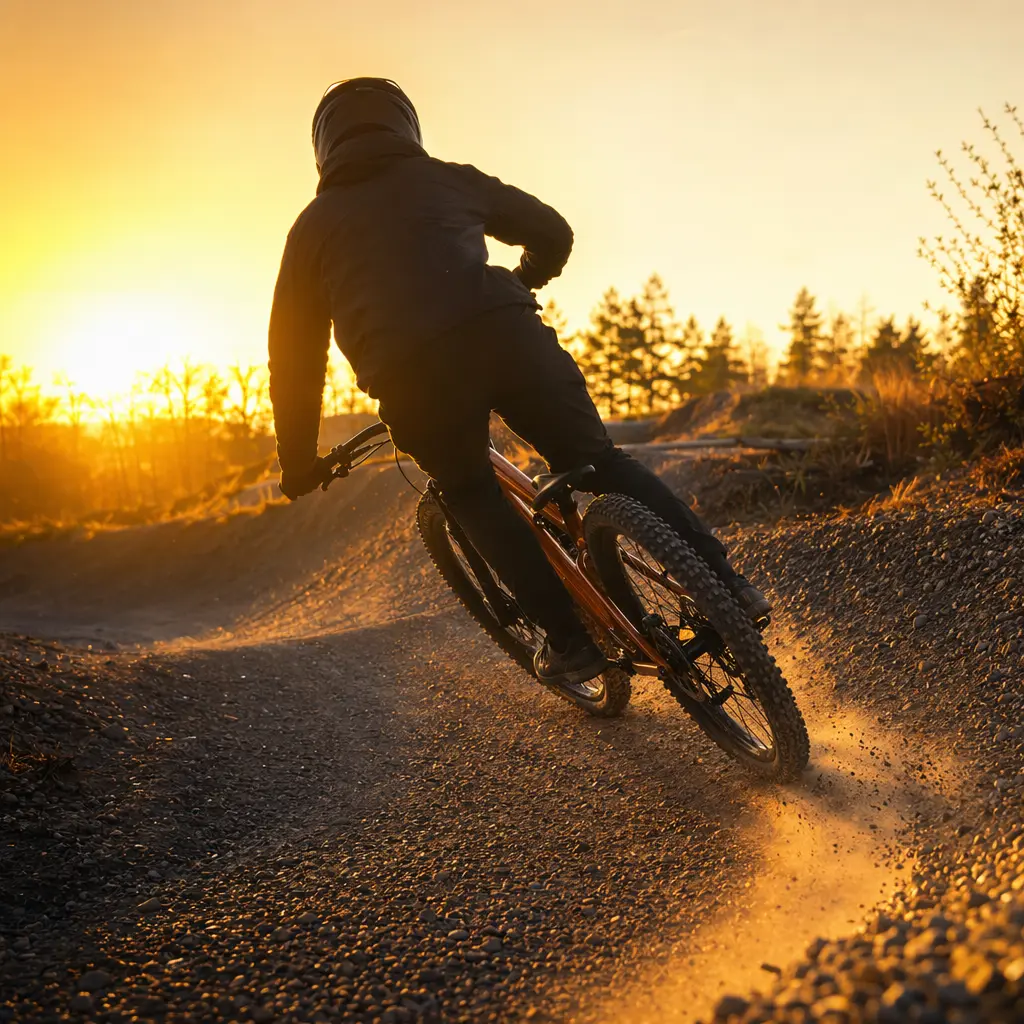
For many UK riders, weekend trail centres are the real test of a mountain bike. At under £700, this is the price point where bikes stop feeling like a liability and start adding confidence on graded reds and flowing blues. The question is no longer whether the bike will survive a few laps, but whether its geometry and brakes help you ride better rather than holding you back.
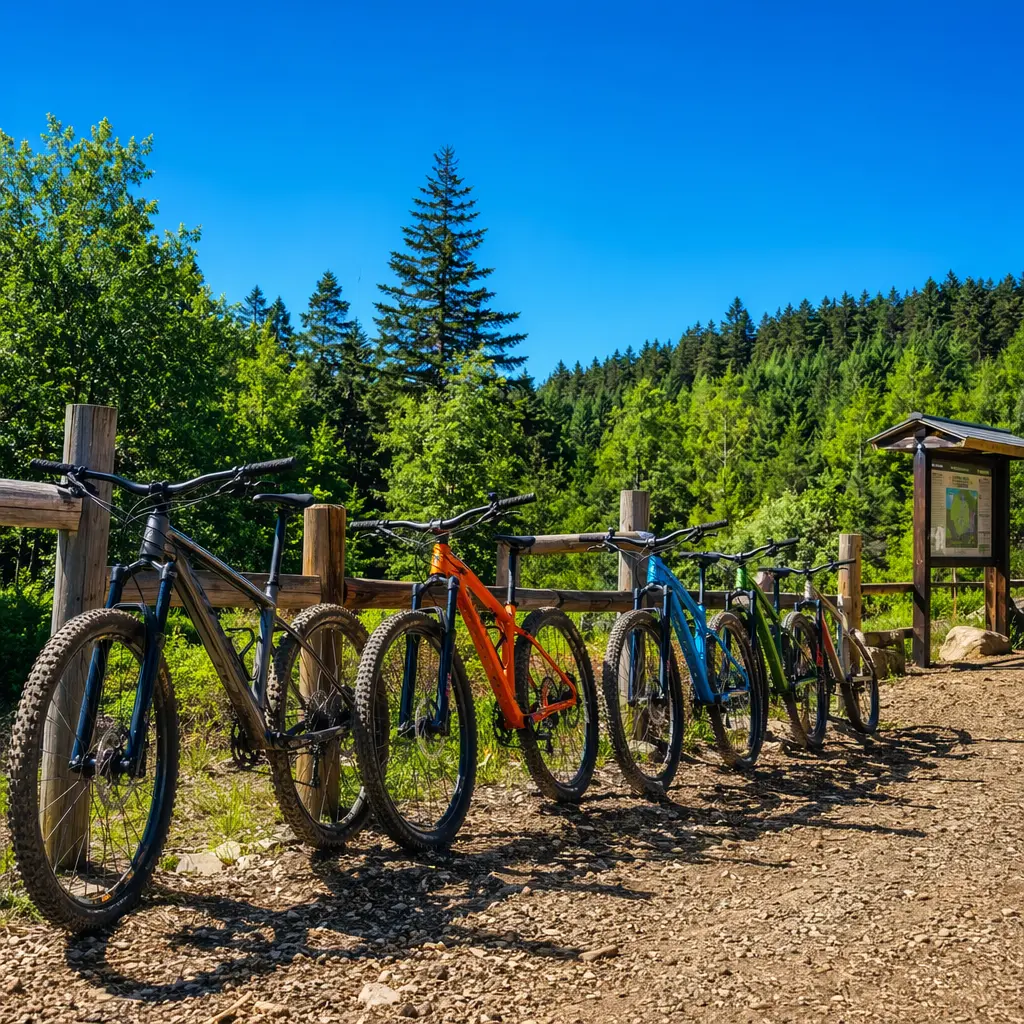
What you actually get at this price
Under £700 is a tipping point for hardtail mountain bikes. Frames are still aluminium, but geometry is more modern, with slacker head angles and longer reach than entry-level bikes. This translates to more stability on descents and less of that twitchy feeling when trails get steeper or rougher.
Components are chosen to hit a price, but the essentials start to line up for proper trail use rather than occasional off-road pottering.
- Frame: Aluminium hardtail with internal cable routing and usually a tapered head tube
- Fork: Coil-sprung suspension fork with 120–130mm travel; basic adjustment, often no damper tuning
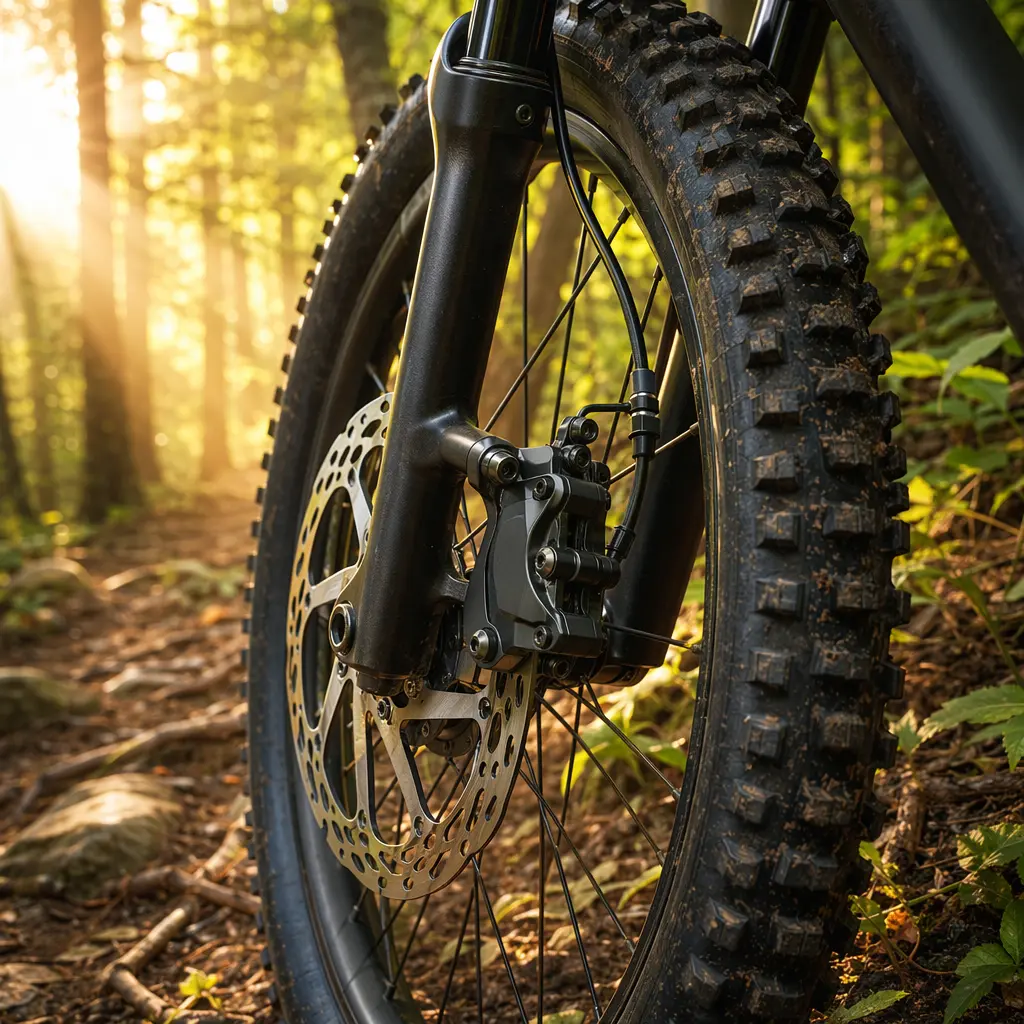
- Brakes: Hydraulic disc brakes as standard, typically two-piston with 160–180mm rotors
- Gearing: 1x drivetrains common, usually wide-range but with heavier cassettes
- Wheels and tyres: 27.5in or 29in wheels with trail-pattern tyres; tougher casings but noticeable weight
- Extras: Dropper post sometimes included, but often absent at this price
How to choose
Geometry matters more than headline specs at this budget. Look for a bike that feels planted when pointing downhill: a slacker head angle and longer wheelbase will inspire confidence on trail centre features like tabletops and rock gardens. Short test rides around a car park won’t reveal this, so check geometry charts rather than relying on first impressions.
Fit is equally important. Sizing has become longer and lower in recent years, so riders between sizes should think about intended use. A slightly longer reach suits faster trail riding, while a shorter bike can feel more manageable on tighter, slower trails. Wheel size is personal: 29in rolls better over roots and braking bumps, while 27.5in feels more playful.
What to look out for
- Heavy wheels that blunt acceleration and make climbs harder work
- Basic suspension forks with limited damping control on repeated hits
- Entry-level hydraulic brakes with wooden lever feel when hot
- No dropper post, or frames without routing to add one later
- Cheap finishing kit that adds weight without adding strength
Worth spending more on
A sub-£700 bike can be transformed with a few targeted upgrades. Tyres are the biggest win: better rubber improves grip, braking and confidence more than almost any other change. A dropper post, if not already fitted, is another upgrade that genuinely changes how you ride trail centres.
Comfort and control upgrades also punch above their weight. A decent saddle, wider handlebars cut to size, and proper flat pedals can make long days more enjoyable without breaking the bank.
Frequently asked questions
Are full-suspension bikes worth considering under £700?
Generally no. At this price, full-suspension bikes compromise heavily on components and frame quality. A hardtail will be lighter, more reliable and far more confidence-inspiring on trail centres.
Is a 1x drivetrain essential?
It’s not essential, but it’s strongly preferred. Single-ring setups are simpler, quieter and less prone to chain issues on rough trails. Most bikes at this price now offer them.
Can these bikes handle red trails?
Yes, in capable hands. The limiting factor is usually suspension performance and braking consistency rather than outright strength. Smooth lines and sensible speeds are key.
Should I buy used instead?
Used can offer better components for the money, but condition matters. Suspension and drivetrain wear can quickly wipe out any savings if repairs are needed.
In short, under £700 is where mountain bikes stop feeling sketchy and start feeling supportive on trail centres. Choose carefully, accept the compromises, and you’ll have a bike that encourages progression rather than holding it back.
Find these on Amazon
As an Amazon Associate, CheapBikes earns from qualifying purchases.