Best bikes under £500 for mixed urban riding in 2026
A value-focused guide to sub-£500 bikes that handle city roads, shared paths and shortcuts. What you really get at this price, how to choose, and the compromises to expect.
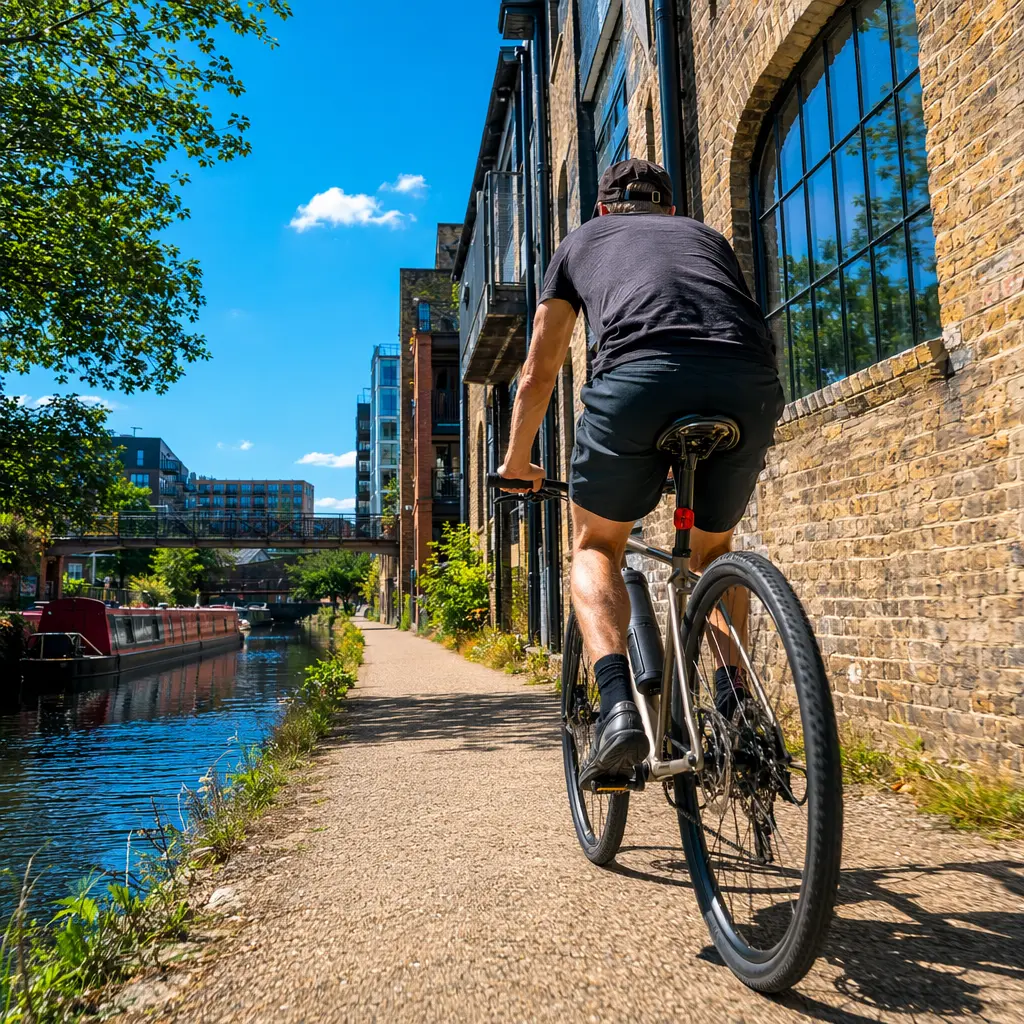
This guide is for riders who want one bike to do a bit of everything without spending more than £500. Think weekday commutes, weekend pootles, park paths and the odd shortcut over gravel or broken tarmac. At this budget, there are good options — but also clear limits. The aim here is to help UK riders understand which bike types cope best with mixed urban riding, what compromises come with the price, and how to spend money where it matters.
What you actually get at this price
Under £500, most bikes that suit mixed urban riding fall into three overlapping camps: hybrids, basic gravel-style bikes with flat bars, and city bikes with slightly wider tyres. Frames are usually aluminium, forks are steel or basic alloy, and weight is rarely a selling point. The focus is durability and simplicity rather than speed.
Components are functional rather than fancy. Shifting and braking will work reliably if set up well, but won’t feel as crisp as pricier kit. The upside is that parts are cheap to replace and well understood by local bike shops — important for everyday riding.
- Frame material: aluminium frames are standard; steel is rarer but can be more forgiving over rough surfaces.
- Fork: rigid forks only at this price; suspension forks exist but are usually heavy and basic.
- Gearing: 1x or 2x drivetrains with a wide-range cassette; expect entry-level Shimano or microSHIFT.
- Brakes: mechanical disc brakes are common; some bikes still use rim brakes to save cost.
- Tyres: 32–40mm tyres with puncture protection; tread is usually mild for mixed surfaces.
- Mounts and extras: rack and mudguard mounts are typical, but guards, lights and racks are rarely included.
How to choose
For mixed urban riding, fit and geometry matter more than brand names. A slightly more upright position is kinder for stop-start traffic and looking over shoulders, while still being efficient on longer rides. Flat handlebars with moderate width offer good control on paths and kerbs without feeling unwieldy in traffic.
Tyre clearance is a quiet deal-breaker. Bikes that can take at least a 38mm tyre give more comfort and grip on towpaths and rough shortcuts. Check for eyelets if you plan to add mudguards or a pannier rack later. If the bike is going to live outside shops and stations, simple looks and standard parts are a plus — less to attract attention, easier to maintain.
What to look out for
- Very cheap suspension forks: they add weight and rarely improve comfort at this budget.
- Heavy wheels and tyres: common under £500 and noticeable on hills and acceleration.
- Limited tyre clearance: some bikes won’t fit anything wider than 32mm.
- Basic shifters: they work, but can feel vague and need more frequent adjustment.
- No rack or mudguard mounts: a problem for year-round commuting.
- Budget saddles and grips: often the first things riders end up replacing.
Worth spending more on
A few small upgrades can dramatically improve how a sub-£500 bike feels. Tyres are top of the list: better rubber with puncture protection and a supple casing can transform comfort and grip on wet paths and broken roads. Swapping to decent tyres is often better value than paying more for a higher-spec bike.
Contact points matter too. A comfortable saddle, ergonomic grips and flat pedals with good traction make everyday riding more pleasant. For urban use, a reliable lock and proper lights are essentials — and often cost more than expected, so budget for them from the start.
Frequently asked questions
Is a hybrid the best choice for mixed urban riding?
For most riders, yes. Hybrids balance comfort, efficiency and practicality better than most alternatives at this price. They’re easy to live with, accept accessories, and handle roads and paths confidently.
Are disc brakes necessary under £500?
Not strictly, but they’re helpful. Mechanical disc brakes offer more consistent stopping in wet conditions than rim brakes, though they need careful setup. Rim brakes are lighter and simpler, but less effective in winter grime.
What tyre width should I look for?
Aim for at least 35–38mm if you’ll use towpaths or rough surfaces regularly. Narrower tyres roll quickly on smooth roads but can feel harsh and skittish on broken tarmac and gravel.
Is it worth waiting for sales?
Yes, if timing allows. End-of-season discounts can push better-equipped bikes under £500. Just make sure the bike fits and suits your riding, rather than buying on price alone.
In short: under £500 can buy a capable, versatile bike for urban riding if expectations are realistic. Focus on fit, tyre clearance and mounts, accept a bit of weight, and you’ll end up with a bike that handles city streets, paths and shortcuts without fuss.
Find these on Amazon
As an Amazon Associate, CheapBikes earns from qualifying purchases.