What to Expect From £2,000+ Road Bikes for Fitness Riders
A plain‑English guide to what £2,000+ road bikes deliver for fitness riders—where the real performance gains are, which race features you can skip, and how to buy smart at this price.
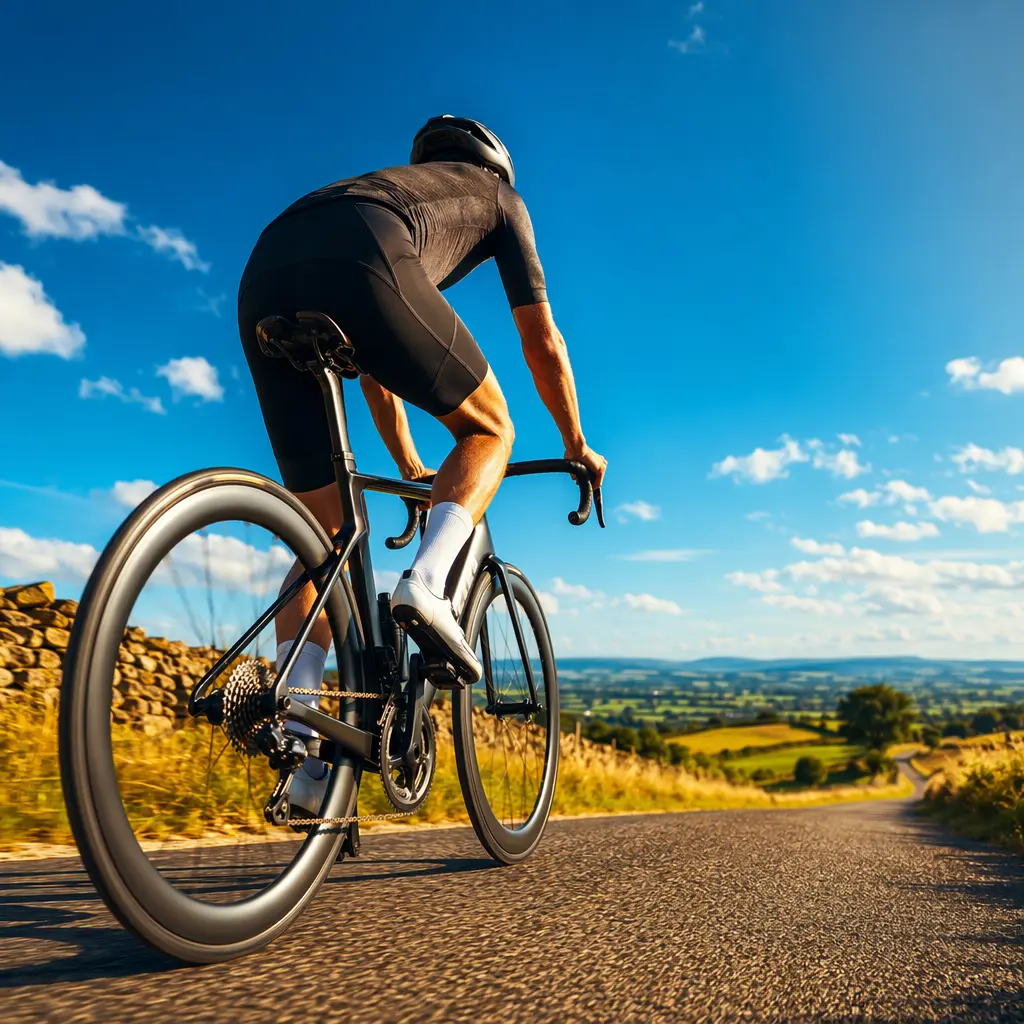
Spending £2,000 or more on a road bike puts you into serious performance territory. For fitness-focused riders, the challenge isn’t whether the bikes are good—they are—but which upgrades actually improve your riding, and which are aimed at racers chasing marginal gains.
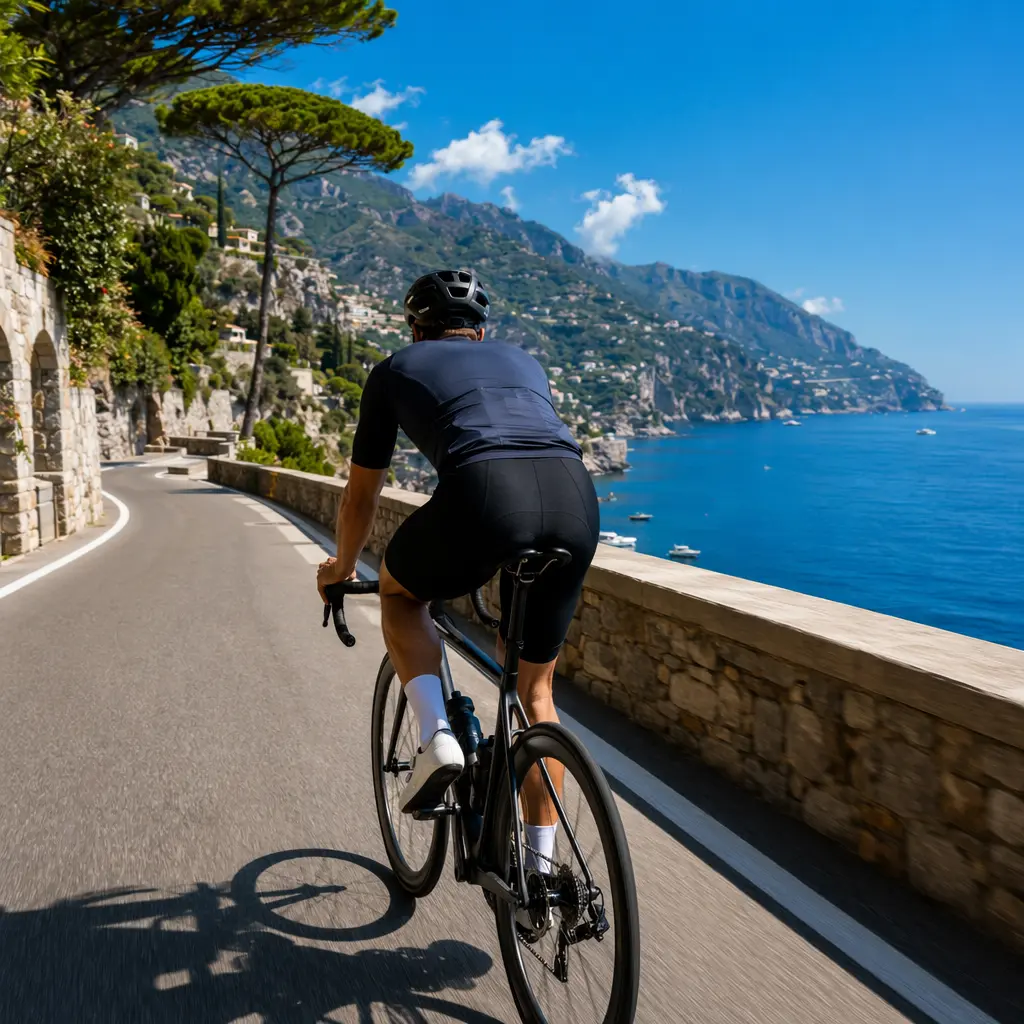
What to look for
At this price level, most road bikes share a strong baseline of quality. The differences that matter most to fitness riders are comfort, durability and usable performance, rather than outright race speed.
- Gearing: Wide-range gearing helps on long climbs and tired legs; compact or sub-compact chainsets are common and fitness-friendly.
- Frame material: Carbon dominates at £2,000+, offering lower weight and better vibration damping than alloy.
- Brake type: Hydraulic disc brakes are now standard and give reliable stopping in wet UK conditions.
- Geometry: Endurance-focused geometry is more upright and stable than race geometry, reducing strain on back and neck.
- Fit: More sizes and adjustable components matter more than saving a few grams.
- Weight: Lighter bikes feel livelier, but comfort and fit usually matter more for fitness riding.
- Included accessories: Expect none; check for mudguard mounts or hidden rack mounts if you ride year-round.
Budget and what you're getting
Above £2,000, your money largely buys refinement. Frames are lighter and smoother, drivetrains shift more cleanly, and wheels roll faster. What you don’t always get is a huge leap in real‑world fitness gains. A well-fitted £2,000 bike can feel dramatically better than a £1,000 one, but a £4,000 bike won’t make you twice as fit. The trade-off is that some premium features—ultra-light wheels, integrated cockpits, or exotic carbon layups—add cost without improving everyday riding comfort or durability.
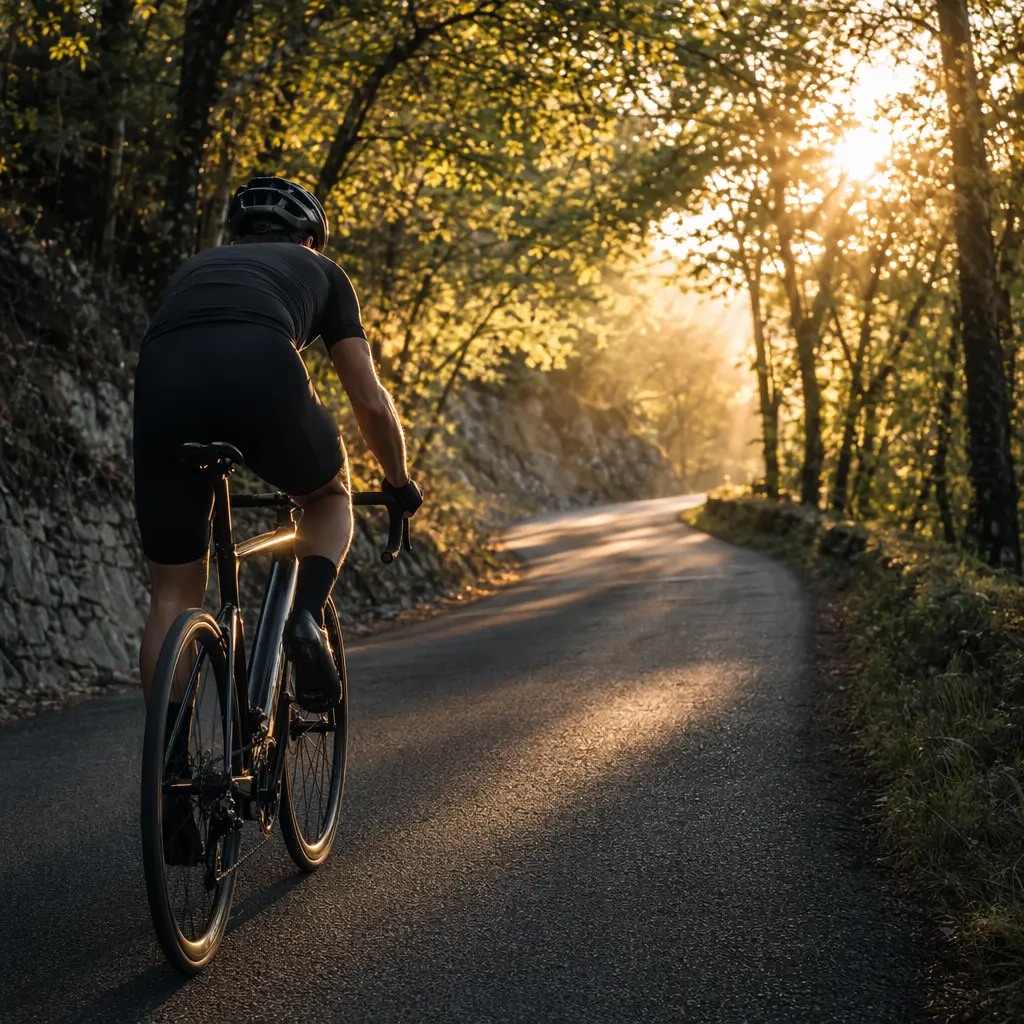
Standout categories or types
For fitness riders, the biggest divide in £2,000+ road bikes is not price but purpose. Choosing the right category can make long rides more enjoyable and sustainable.
- Endurance road bikes: Designed for comfort with taller head tubes, wider tyre clearance and stable handling. Ideal for long solo rides and sportive-style fitness goals.
- Race-oriented road bikes: Lighter and stiffer with aggressive positions. Fast, but often less forgiving on rough UK roads.
- Carbon vs alloy: Carbon dominates here, but the benefits are mostly comfort and refinement rather than raw speed.
- Mechanical vs electronic shifting: Electronic shifting is slick and low-maintenance, but mechanical systems still work extremely well and cost less to replace.
- Tyre clearance: Clearance for 30–32mm tyres improves comfort and grip without sacrificing much speed.
Frequently asked questions
Is a £2,000+ road bike too much for fitness riding?
Not if you value comfort, smoothness and longevity. The gains are subtle but noticeable on longer rides, especially on rough roads.
Will a more expensive bike make me faster?
It can feel faster and more responsive, but fitness improvements still come mainly from training, not the bike.
Do I need electronic gears?
They’re convenient and consistent, but not essential. Mechanical systems remain reliable and easier to service cheaply.
Are disc brakes worth it?
Yes for UK riding. They give better control in wet weather and on long descents, with minimal downsides at this price.
A £2,000+ road bike can be a long-term fitness tool rather than a race machine. Focus on comfort, fit and practical features, and you’ll get a bike that supports consistent riding for years rather than chasing specs you may never fully use.
Find these on Amazon
As an Amazon Associate, CheapBikes earns from qualifying purchases.