Best road bikes £500–£1,000: what matters for beginners
A clear buyer’s checklist for first road bikes between £500 and £1,000. Learn what matters for gearing, frame materials, brakes and fit, plus honest trade-offs at this price.
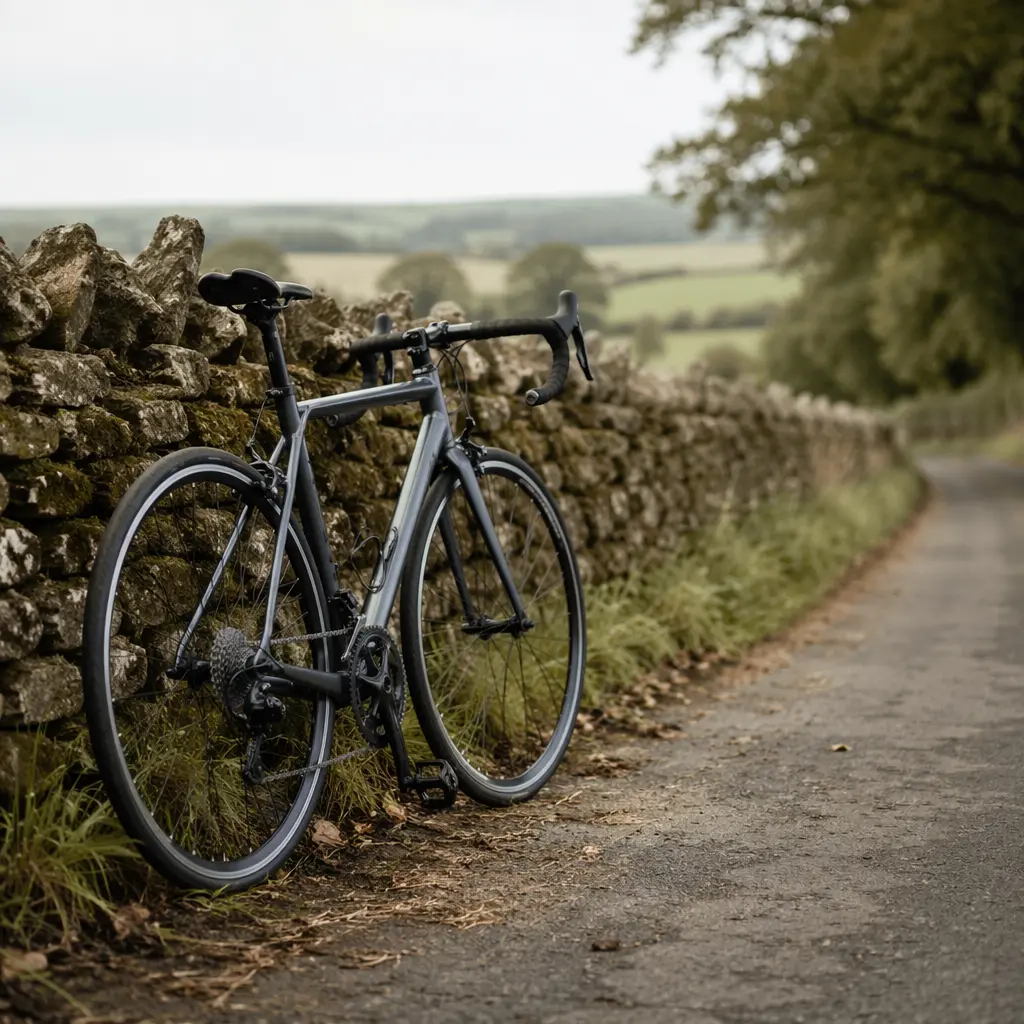
Shopping for a first road bike can feel overwhelming, especially with a £500–£1,000 budget. This is a sensible price band for beginners: high enough to get a lightweight, efficient bike that rides properly, but still value-focused. The challenge is knowing which features actually matter for comfort, reliability and progress — and which are nice-to-haves.
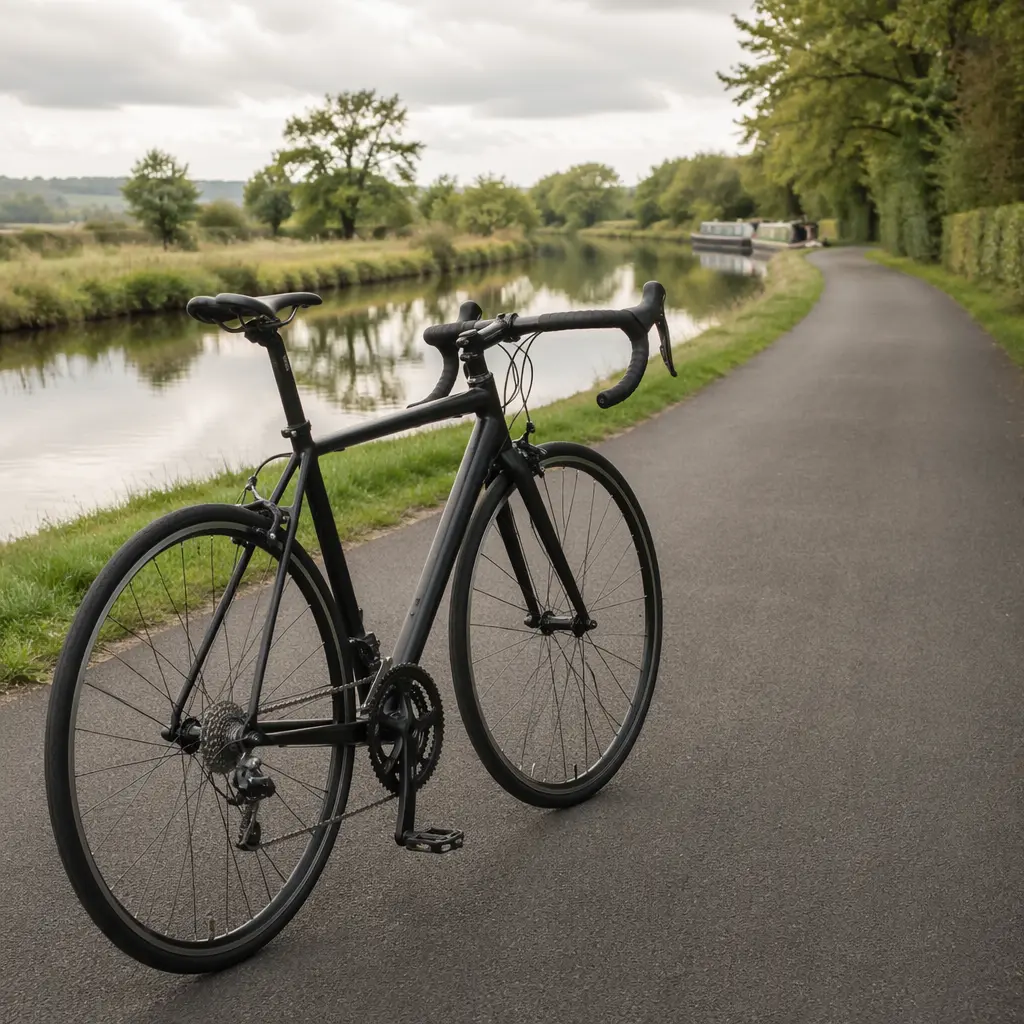
What to look for
At this budget, the goal is balance. You want a bike that’s comfortable enough for longer rides, tough enough for UK roads, and simple to maintain. Focus on these core areas before worrying about weight savings or race-ready parts.
- Gearing: Look for wide-range gearing to handle hills. Compact chainsets and larger rear cassettes are beginner-friendly and reduce strain on climbs.
- Frame material: Aluminium frames dominate this price range. They’re light, stiff and good value. Some bikes pair aluminium with a carbon fork to reduce road buzz.
- Brake type: Disc brakes (mechanical or hydraulic) offer consistent stopping in wet UK conditions. Rim brakes are lighter and simpler but less effective in the rain.
- Geometry: Endurance or relaxed geometry puts you in a more upright position, easing pressure on your back, neck and wrists.
- Fit: Correct frame size matters more than any component. Reach and stack figures influence comfort as much as seat height.
- Weight: Expect around 9–11kg. Lighter bikes feel nicer on climbs, but durability and fit matter more than chasing grams.
- Included accessories: Mudguard mounts, wider tyre clearance and rack eyelets add versatility without much downside.
Budget and what you're getting
Between £500 and £1,000, compromises are normal — but they’re sensible ones. Frames are usually aluminium rather than carbon, and groupsets may mix components rather than being fully matched. Wheels tend to be heavier, prioritising strength over speed. The upside is reliability: these bikes are designed to survive year-round riding, training miles and the odd pothole. Compared with cheaper options, shifting is more precise, braking more confidence-inspiring, and overall ride quality noticeably better.
Standout categories or types
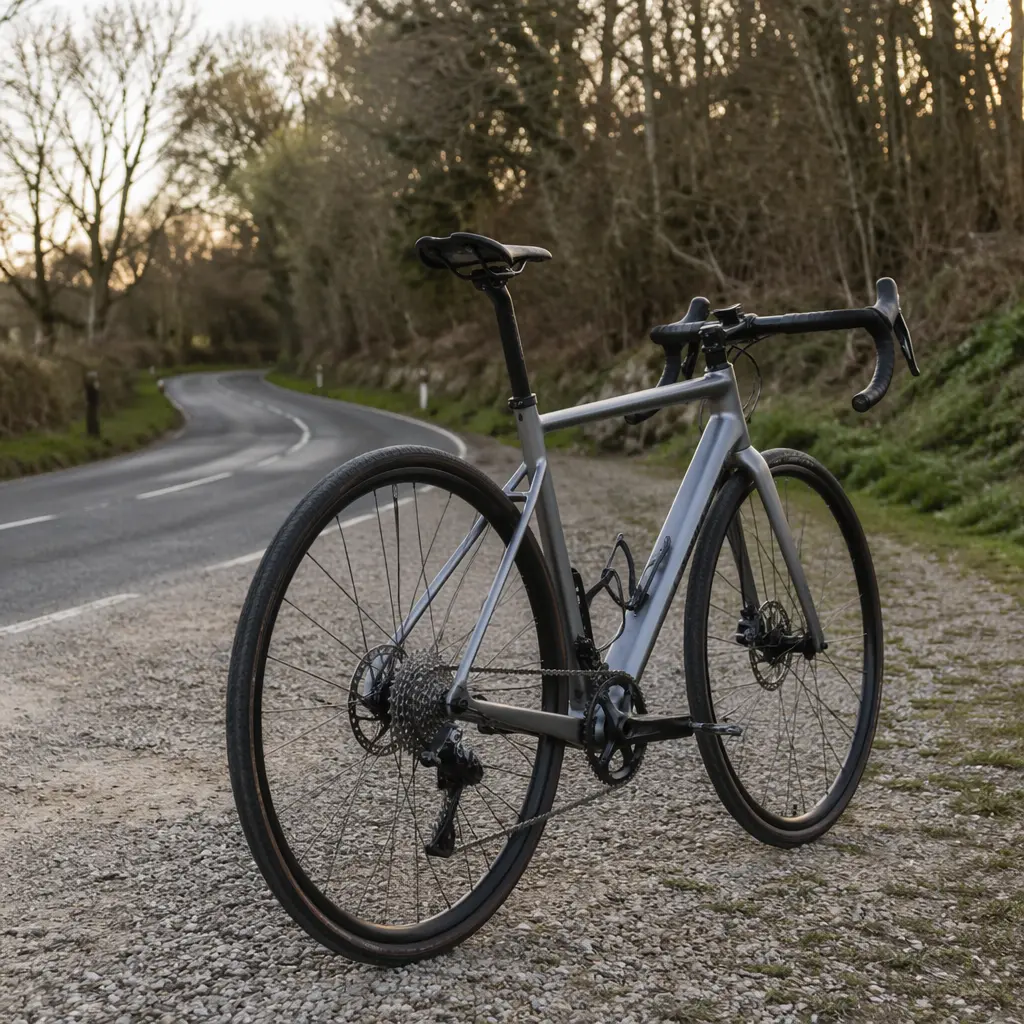
Most beginner road bikes in this range fall into the ‘endurance’ category. These bikes trade razor-sharp race handling for stability and comfort, which suits new riders far better. They usually accept wider tyres, smoothing rough tarmac and chipseal.
- Endurance vs race geometry: Endurance frames have taller head tubes and shorter reach, making long rides easier. Race frames are lower and longer, best left until you know your preferences.
- Alloy frame with carbon fork: A common and sensible combination. The carbon fork reduces vibration, while the alloy frame keeps costs down.
- Disc vs rim brakes: Discs add weight and complexity but shine in wet weather. Rim brakes remain cheaper and simpler, especially if you ride mostly in dry conditions.
Frequently asked questions
Is £500 enough for a decent road bike?
Yes, but £500 is the lower edge. You’ll get functional gearing and a solid frame, but spending closer to £700–£1,000 usually brings better brakes, smoother shifting and longer-lasting wheels.
Should beginners choose disc brakes?
For UK riding, discs are a safe choice thanks to wet-weather performance. However, rim brakes are lighter, cheaper and easier to maintain, and still perfectly usable for fair-weather riders.
What tyre width should I look for?
Clearance for 28mm tyres is ideal for beginners. Wider tyres improve comfort and grip with minimal speed penalty, especially on rough roads.
Is it worth upgrading parts later?
Yes, selectively. Tyres and contact points (saddle, bar tape) make the biggest difference for the least money. Major drivetrain upgrades are rarely cost-effective at this level.
A road bike in the £500–£1,000 range is a strong starting point for new riders. Focus on fit, comfort and sensible gearing, and you’ll end up with a bike that encourages more riding — which is the real goal.
Find these on Amazon
As an Amazon Associate, CheapBikes earns from qualifying purchases.