Are £1,500–£2,000 Road Bikes Overkill for Fitness Riders?
A plain-English guide to whether £1,500–£2,000 road bikes deliver real benefits for non-racers, or if a cheaper option will meet fitness goals just as well.
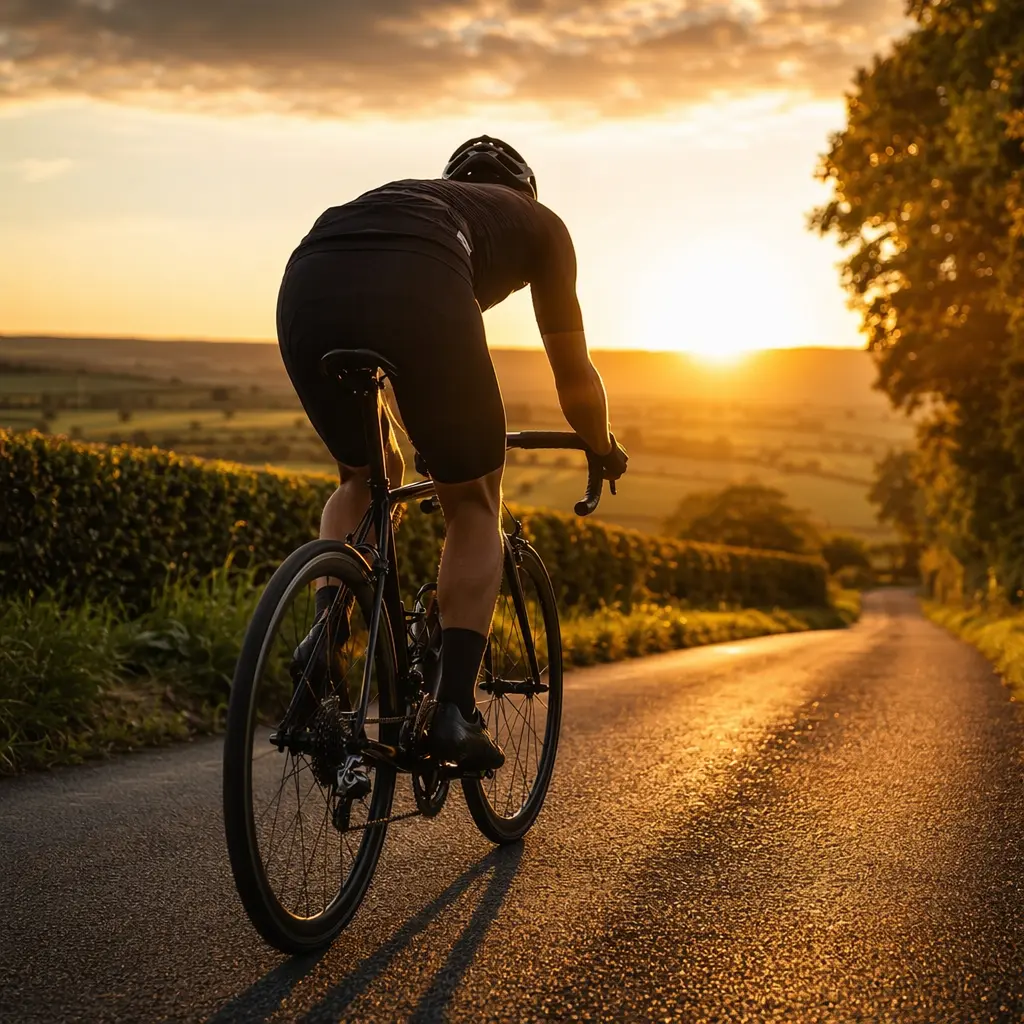
Many fitness-focused riders wonder if spending £1,500–£2,000 on a road bike is money well spent, or simply paying for race-level kit they’ll never use. This guide breaks down what that budget really buys, who benefits most, and when a cheaper bike can deliver similar fitness gains.
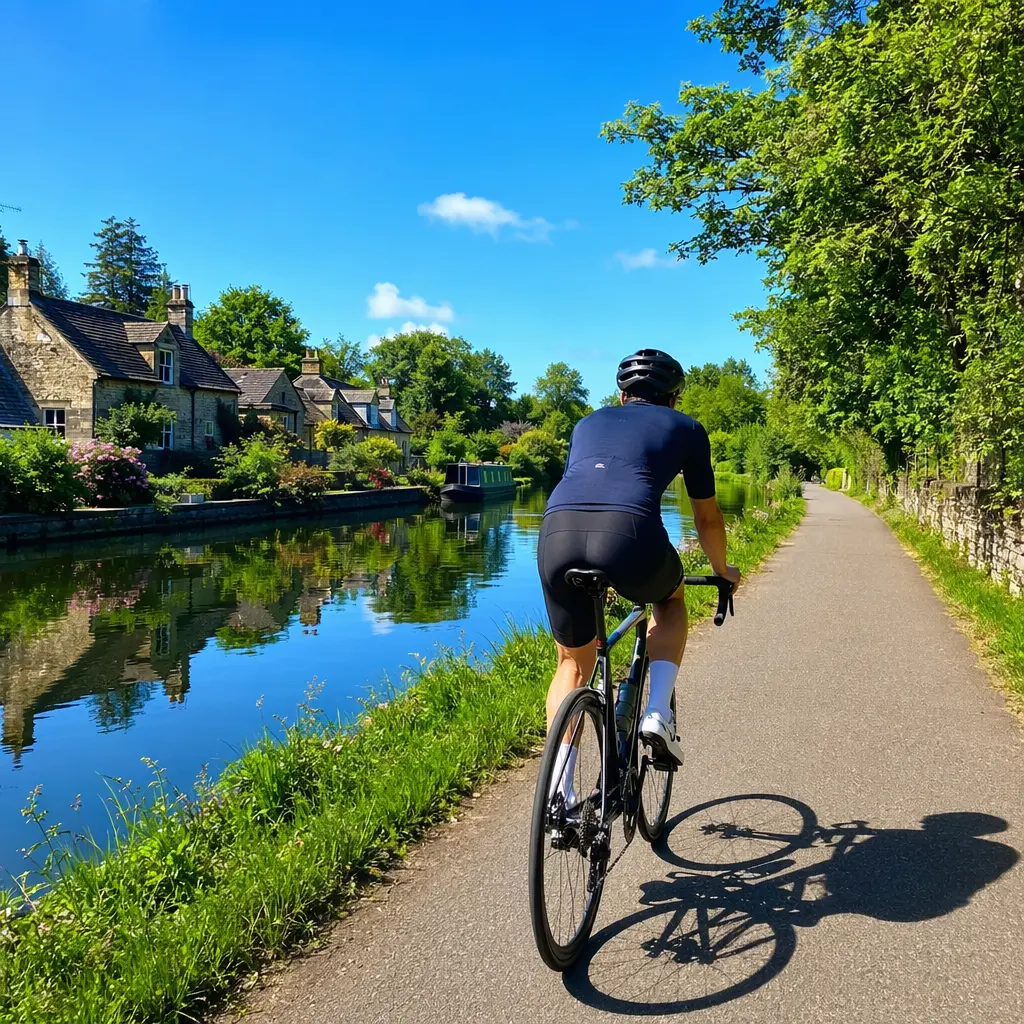
What to look for
At this price point, the focus shifts from basic functionality to comfort, efficiency and durability. For fitness riders, the right mix of features matters more than chasing race credentials.
- Gearing: Wide-range gearing makes steady climbing and longer rides more enjoyable, especially if you’re not chasing speed records.
- Frame material: Carbon frames are common here, offering lower weight and vibration damping; high-quality aluminium is still a strong, cheaper alternative.
- Brake type: Disc brakes are now standard at this level, giving consistent stopping in wet UK conditions.
- Geometry: Endurance geometry prioritises comfort and stability over aggressive race positioning.
- Fit: A bike that fits properly will feel faster and reduce aches more than any upgrade.
- Weight: Lighter bikes feel livelier on hills, but small weight savings matter less than comfort for fitness riding.
- Included accessories: Few bikes include mudguards or racks, so check compatibility if you plan all-weather riding.
Budget and what you're getting
Spending £1,500–£2,000 typically buys a well-finished bike with a lighter frame, reliable mid-to-upper groupset, and hydraulic disc brakes. Compared with sub-£1,000 options, you’ll notice smoother shifting, better braking and less road buzz. The trade-off is that you’re paying for refinements rather than huge leaps in speed. Fitness gains still come mainly from time in the saddle, not from premium components.
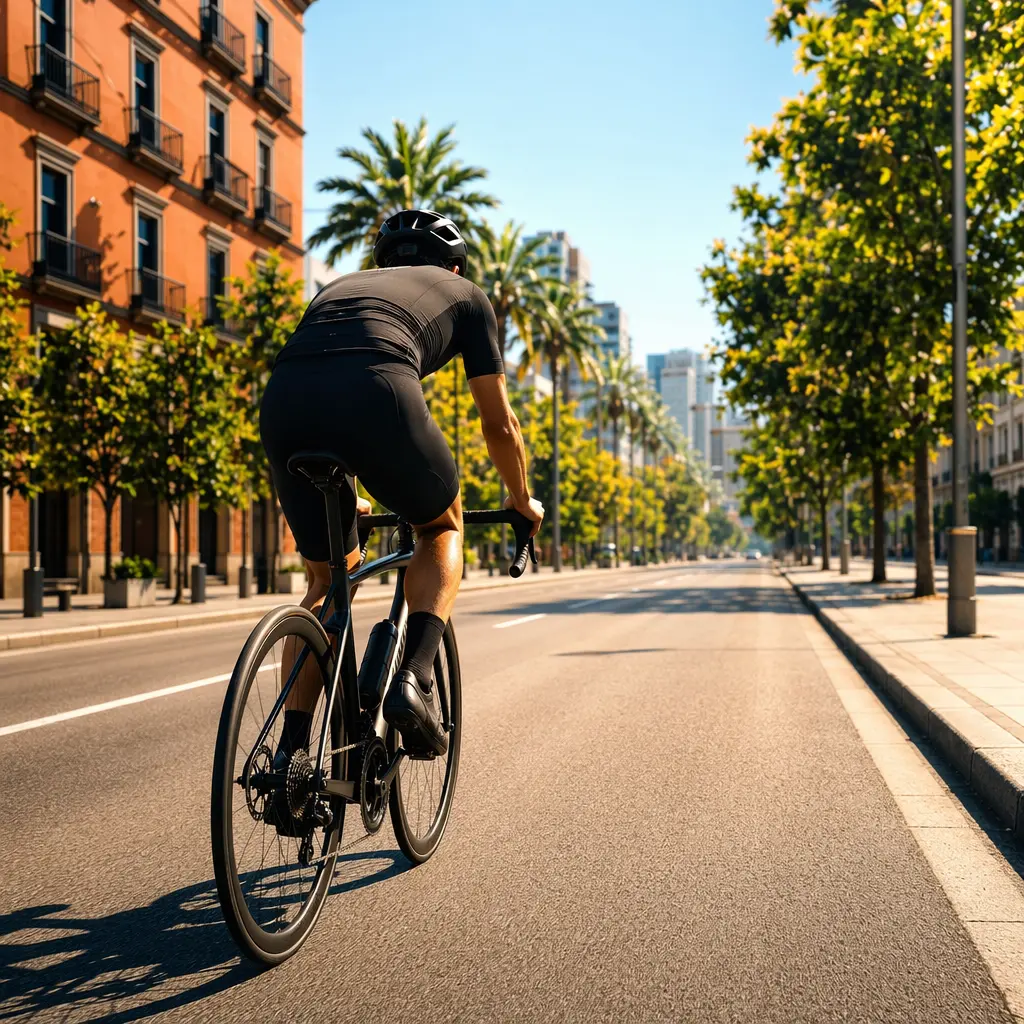
Standout categories or types
Within the £1,500–£2,000 range, most bikes fall into a few clear camps. Choosing the right type is more important than the headline spec.
- Endurance road bikes: More relaxed geometry, wider tyre clearance and a smoother ride — ideal for fitness riders and longer distances.
- Race-inspired road bikes: Lighter and stiffer, but with a more aggressive position that may be uncomfortable for casual use.
- Carbon vs aluminium: Carbon offers comfort and weight savings; aluminium gives excellent value and toughness at a lower cost.
Frequently asked questions
Will a £2,000 road bike make me fitter than a £1,000 one?
Not directly. Fitness improvements come from regular riding and effort. A more expensive bike can feel nicer to ride and may encourage you to ride more often, which helps indirectly.
Is carbon worth it for non-racers?
Carbon frames can reduce vibration and weight, which improves comfort on longer rides. For many fitness riders, that comfort matters more than outright speed.
Are disc brakes essential?
They’re not essential, but they’re very practical in the UK. Disc brakes offer consistent braking in wet weather and reduce rim wear.
Could I save money and upgrade later?
Yes, but major upgrades can be costly. Often it’s better value to buy the best frame and brakes you can afford, then focus on fit and tyres.
For most fitness riders, £1,500–£2,000 road bikes aren’t overkill, but they’re not essential either. If comfort, reliability and enjoyment will keep you riding more often, the spend can be justified. If your goal is simply to get fitter, a cheaper, well-fitted bike can still do the job.
Find these on Amazon
As an Amazon Associate, CheapBikes earns from qualifying purchases.