Is a £2,000+ Road Bike Wasted on Casual UK Riders?
A clear buyer’s guide to whether a £2,000+ road bike makes sense for casual UK riders, separating real-world benefits from race-only upgrades.
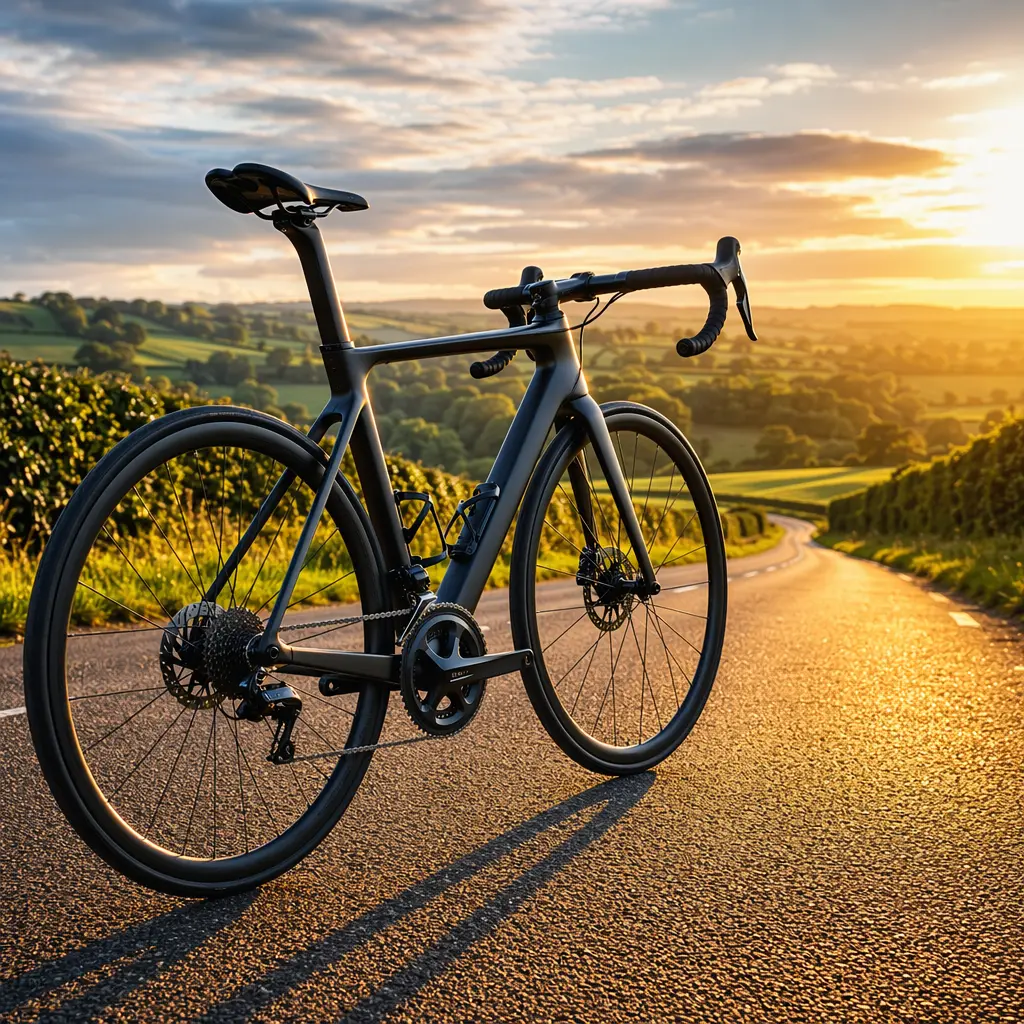
Road bikes priced at £2,000 and above promise lighter weight, smoother shifting and a touch of pro-level glamour. For UK riders who aren’t racing or chasing Strava trophies, it’s fair to ask whether that money brings real benefits—or if it’s mostly paying for features you’ll never use.
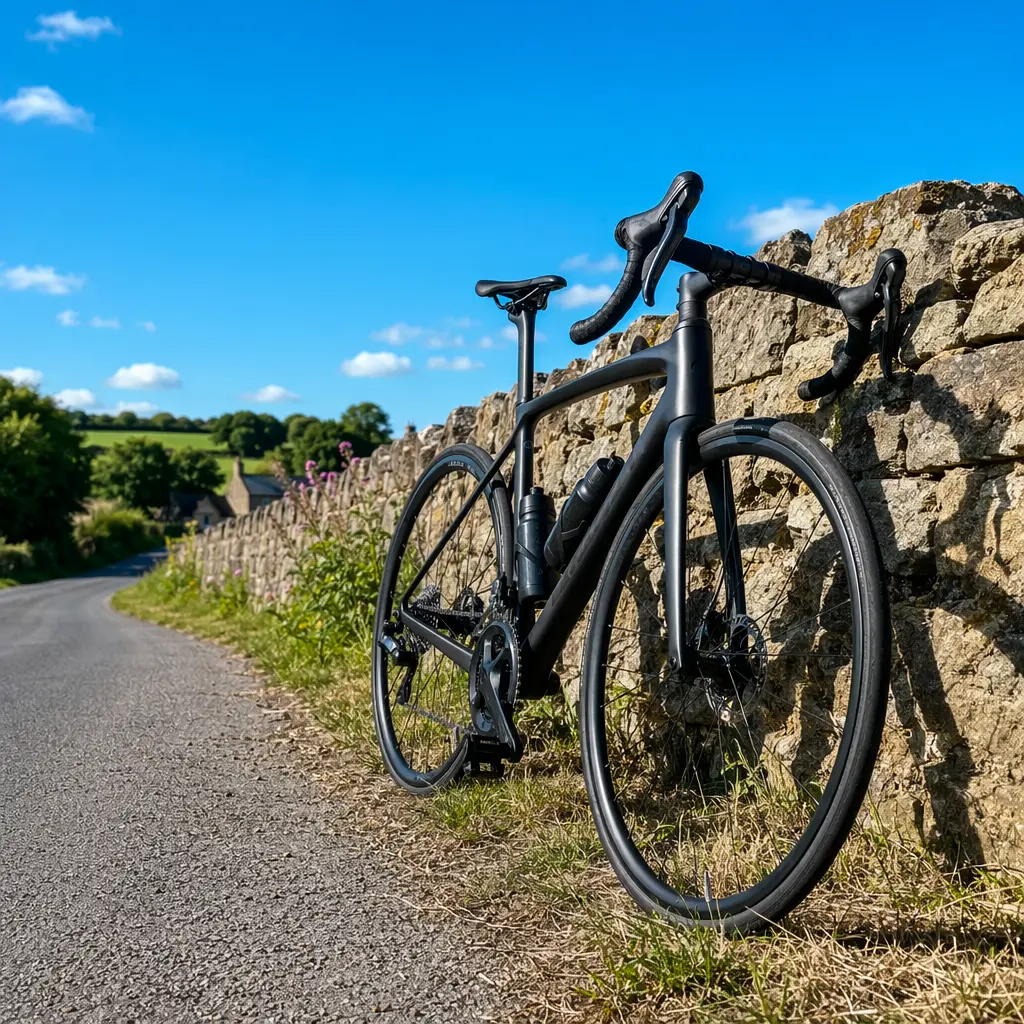
What to look for
At the £2,000+ mark, bikes are defined less by basic capability and more by refinement. The key is working out which upgrades improve everyday riding, and which mainly serve competitive riders.
- Gearing: Wider-range gearing helps on UK hills. Compact chainsets and larger cassettes matter more than having extra gears.
- Frame material: Carbon dominates at this price, offering lower weight and vibration damping, but a well-made alloy frame can still ride well.
- Brake type: Hydraulic disc brakes give strong, consistent braking in wet British conditions, a clear everyday advantage.
- Geometry: Endurance geometry offers a more upright position for comfort; race geometry is lower and longer, favouring speed over ease.
- Fit: Correct frame size and sensible contact points matter more than any headline spec.
- Weight: Lighter bikes feel livelier on climbs, but small differences are hard to notice outside racing.
- Included accessories: Mudguard mounts, room for wider tyres, and clearance for winter wheels add year-round usefulness.
Budget and what you're getting
Spending over £2,000 usually buys a carbon frame, disc brakes, and a mid-to-high level groupset. The ride will feel smoother and more precise than cheaper options, but gains are incremental. Compared with a £1,200–£1,500 road bike, you’re often paying a lot more for smaller improvements in weight, materials and finish.
Standout categories or types
Within the £2,000+ bracket, road bikes tend to fall into two broad camps. Understanding the difference helps avoid buying more bike than you need.
- Endurance road bikes: Designed for long rides, sportives and rougher UK roads. They offer relaxed geometry, wider tyre clearance and often mudguard compatibility.
- Race-focused road bikes: Built for speed and responsiveness, with aggressive positions and minimal mounts. Best suited to riders chasing performance rather than comfort.
Frequently asked questions
Will a £2,000+ road bike make me noticeably faster?
For most casual riders, the speed difference is small. Fitness, tyres and riding position have a bigger impact than shaving a few hundred grams off the bike.
Is carbon always better than aluminium?
Carbon can feel smoother and lighter, but quality aluminium frames are durable and good value. The benefit of carbon is most noticeable on longer rides, not short spins.
Are electronic gears worth it for non-racers?
Electronic shifting is precise and low-maintenance, but mechanical gears already work very well. It’s a luxury rather than a necessity for everyday riding.
Should casual riders worry about bike weight?
Weight matters most on steep climbs and during hard efforts. For leisure rides, comfort and stable handling usually matter more.
A £2,000+ road bike isn’t wasted on every casual rider, but it’s rarely essential. If you value comfort, reliability and versatility, a well-chosen mid-range bike often delivers better overall value. High-end bikes shine when their performance is fully used; otherwise, the money may be better spent on fit, kit and riding time.
Find these on Amazon
As an Amazon Associate, CheapBikes earns from qualifying purchases.