Best Road Bikes £1,000–£2,000 for Non‑Racers
A buyer’s guide to road bikes between £1,000 and £2,000 for comfort-focused riders. Learn what endurance geometry means, which upgrades matter, and how to get lasting value without race-day compromises.
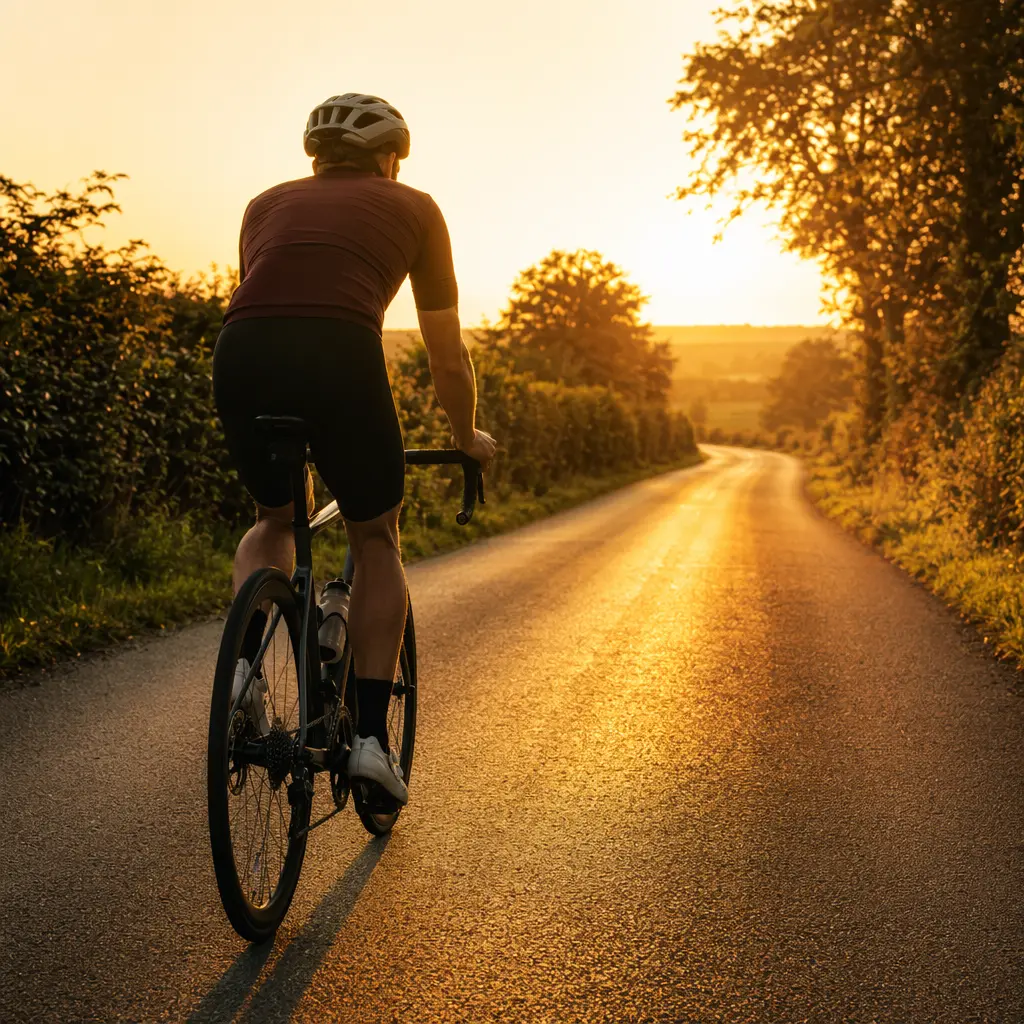
If you want a fast, efficient road bike without the aches and compromises of race geometry, the £1,000–£2,000 bracket is a strong place to shop. This is where comfort-led ‘endurance’ road bikes become genuinely capable: lighter frames, smoother rides and sensible components that suit long days, commutes and sportives rather than sprint finishes.
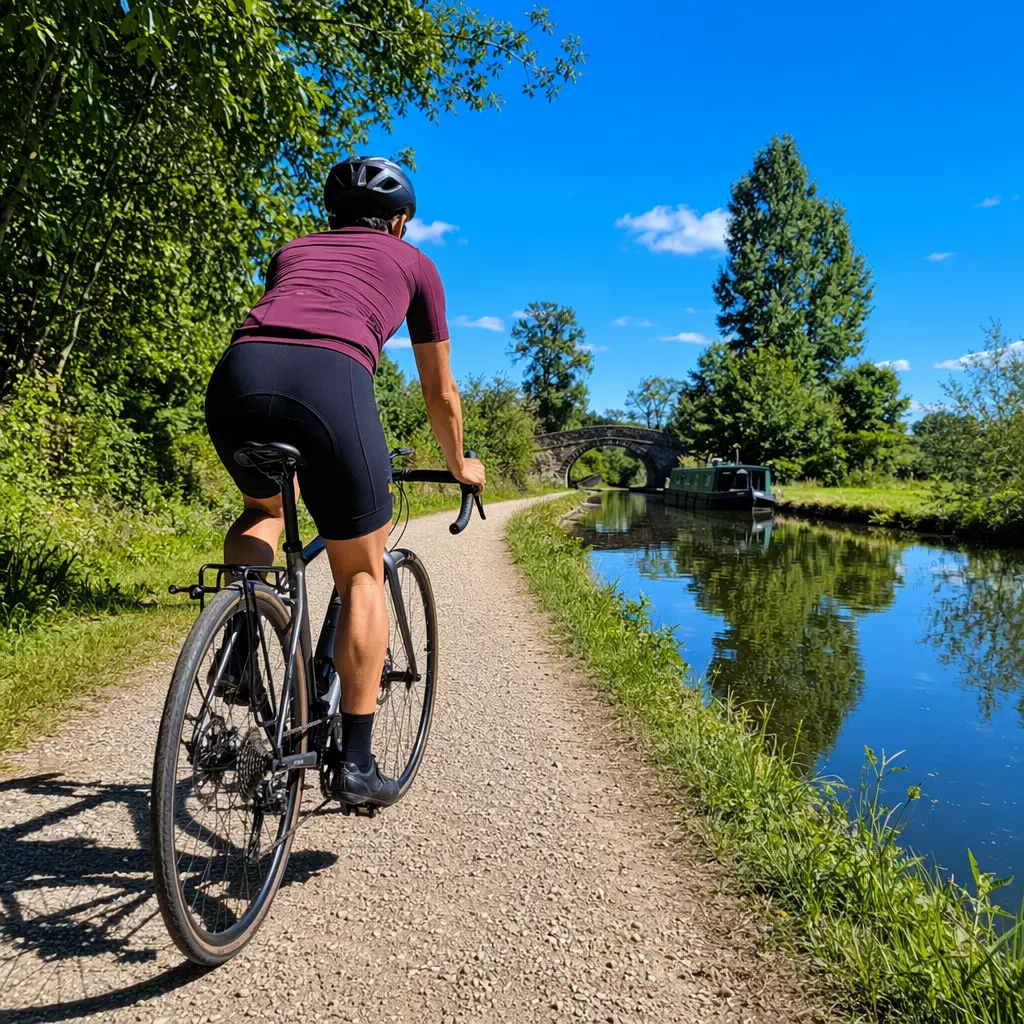
What to look for
Bikes in this price range should feel noticeably more refined than entry-level options. The aim is comfort and control without giving up efficiency. These are the key areas to check before buying.
- Gearing: Compact chainsets and wide-range cassettes make hills manageable without forcing a high cadence on the flat.
- Frame material: Aluminium frames are common and good value; carbon frames appear at the top end and usually add comfort rather than outright speed.
- Brake type: Hydraulic disc brakes are increasingly standard here, offering better control in wet UK conditions.
- Geometry: Look for endurance geometry with a slightly taller head tube and shorter reach for a relaxed position.
- Fit: Multiple sizes and sensible stack/reach numbers matter more than the material badge.
- Weight: Expect lighter builds than budget road bikes, but don’t chase grams at the expense of comfort.
- Included accessories: Clearance for wider tyres, mudguard mounts, and discreet rack mounts add year-round usefulness.
Budget and what you're getting
Spending £1,000–£2,000 moves you out of the ‘basic starter bike’ zone. You’re paying for smoother ride quality, more reliable shifting and braking, and frames designed to stay comfortable after several hours. The trade-off is that components may not be top-tier or especially light, and wheels are often chosen for durability over outright performance. For non-racers, that balance usually works in your favour.
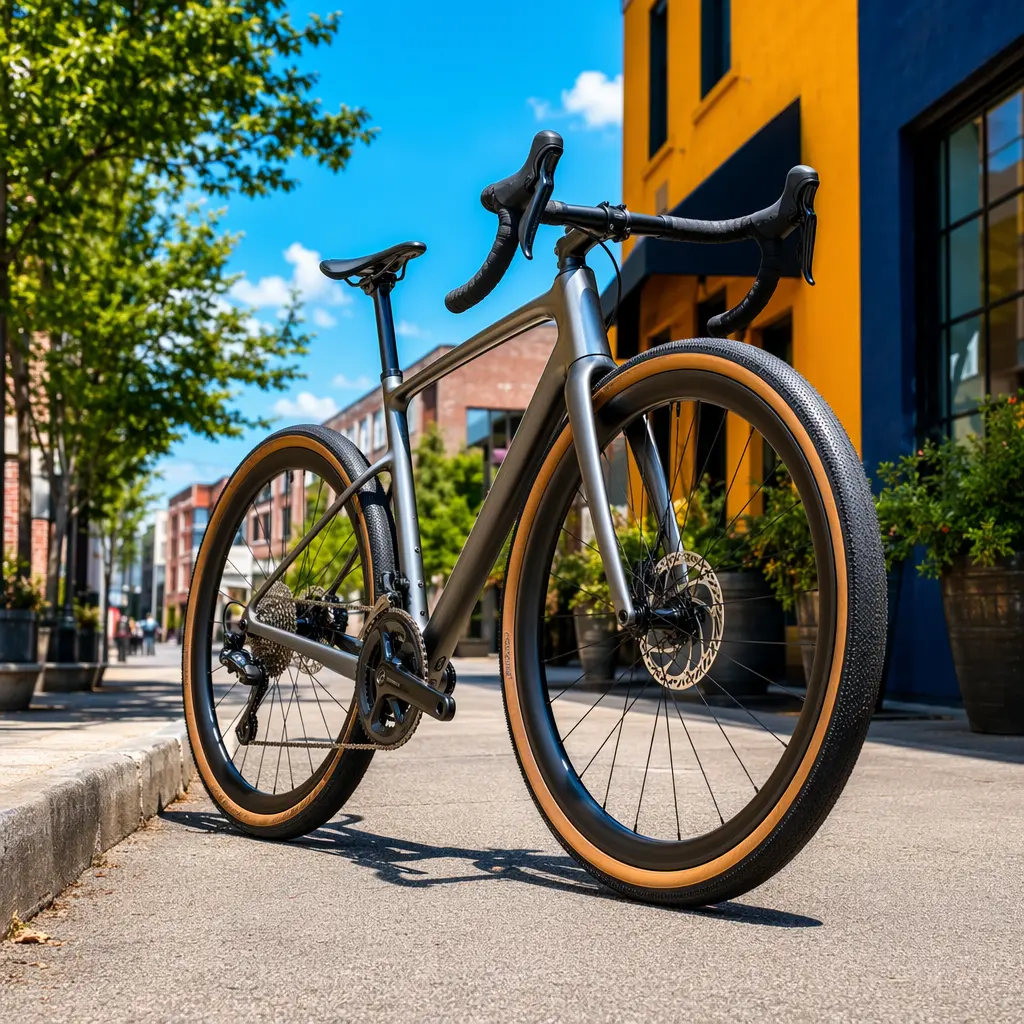
Standout categories or types
Most non-racers should focus on endurance road bikes rather than aggressive race replicas. Within that, there are a few useful distinctions.
- Aluminium endurance bikes: Excellent value, durable and responsive, often with carbon forks to reduce road buzz.
- Carbon endurance bikes: Typically smoother over rough tarmac and better at damping vibration, but usually nearer the top of the budget.
- All-road setups: Endurance frames with extra tyre clearance (30–35mm) that blur the line between road and light gravel riding.
Frequently asked questions
What is endurance geometry?
Endurance geometry places the rider in a more upright, relaxed position than race bikes. This reduces strain on the neck, back and wrists, making it better for long rides and everyday use.
Are disc brakes worth it at this price?
Yes for most UK riders. Hydraulic discs offer more consistent braking in wet weather and require less hand force, which adds confidence on descents and in traffic.
How wide can the tyres be?
Many endurance frames in this bracket clear 30–32mm tyres, sometimes more. Wider tyres can be run at lower pressures, improving comfort and grip on rough roads.
Is carbon always better than aluminium?
Not automatically. Carbon can feel smoother, but a well-designed aluminium frame with a carbon fork and good tyres can be just as comfortable for most non-racers.
For riders who value comfort, reliability and versatility over podium-chasing speed, the £1,000–£2,000 road bike category offers real long-term value. Focus on fit, sensible geometry and practical features, and you’ll end up with a bike that’s enjoyable on everything from weekend loops to daily miles.
Find these on Amazon
As an Amazon Associate, CheapBikes earns from qualifying purchases.